

Hey there! As a supplier of Circulation Ovens, I often get asked how to speed up the cooling process of these ovens. It's a crucial aspect, especially when you're looking to boost productivity and cut down on waiting times. So, let's dive into some practical ways to make your Circulation Oven cool faster.
1. Optimize Ventilation System
One of the most effective ways to speed up cooling is by improving the oven's ventilation. A well - designed ventilation system can quickly expel hot air and bring in cooler air.
First, check the exhaust fans. Make sure they're clean and in good working condition. Over time, dust and debris can accumulate on the fan blades, reducing their efficiency. If you notice any build - up, give them a good clean. You can use a soft brush or compressed air to remove the dirt.
Also, consider adding more ventilation ports if possible. Additional ports can increase the airflow rate, allowing hot air to escape more rapidly. However, be careful not to overdo it, as too many ports can affect the oven's heating performance when it's in use.
2. Use Heat - Conductive Materials
The materials used in the oven construction can have a significant impact on the cooling speed. Opt for heat - conductive materials for the oven walls, shelves, and other components. Metals like aluminum and copper are excellent conductors of heat. They can quickly transfer the heat from the inside of the oven to the outside environment.
If your oven has non - heat - conductive shelves, you might want to replace them with metal ones. This simple change can make a big difference in how fast the oven cools down. For example, if you're using a Mould Preheating Oven, switching to heat - conductive shelves can speed up the cooling process between batches.
3. Implement a Cooling Fan
Installing an external cooling fan near the oven can be a game - changer. This fan can blow cool air over the oven's exterior, helping to dissipate the heat more quickly. You can place the fan in a position where it can direct the airflow around the sides and back of the oven.
If your oven is placed in a confined space, the fan can also improve the overall air circulation in the area. This not only helps the oven cool faster but also prevents the overheating of the surrounding environment.
4. Regulate Load and Usage
The amount of material you put inside the oven and how often you use it can affect the cooling time. Overloading the oven can make it take longer to cool down because there's more heat to dissipate. Try to follow the manufacturer's recommended load capacity.
Also, avoid using the oven continuously for long periods. Give it some breaks between cycles. This allows the oven to cool down naturally to some extent before the next use. For instance, if you're using a Curing Drying Oven for a drying process, taking short breaks between batches can help the oven cool faster and also extend its lifespan.
5. Install a Cooling Jacket
A cooling jacket is a device that can be wrapped around the outside of the oven. It contains a coolant, usually water or a refrigerant, which absorbs the heat from the oven. As the coolant circulates, it takes the heat away from the oven and releases it into the environment.
Cooling jackets can be a bit pricey, but they can significantly reduce the cooling time. They're especially useful for high - temperature ovens or when you need to cool the oven quickly for urgent production needs.
6. Monitor and Control Temperature
Using a temperature control system can help you manage the cooling process more effectively. You can set the desired cooling rate and monitor the temperature in real - time. This way, you can make adjustments as needed.
For example, if the temperature is dropping too slowly, you can increase the speed of the exhaust fans or turn on the external cooling fan. On the other hand, if it's dropping too fast, you can reduce the airflow to avoid thermal shock to the oven components.
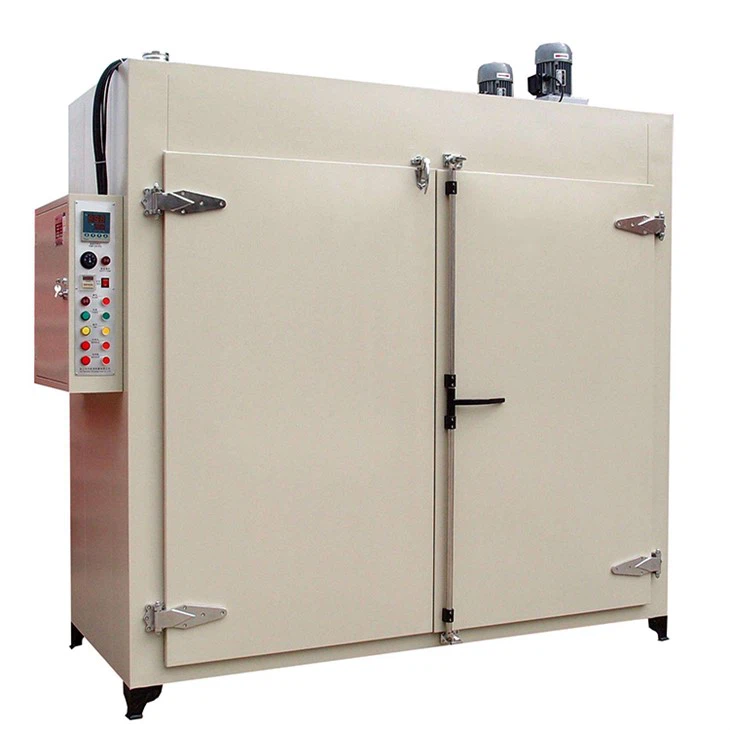

7. Regular Maintenance
Regular maintenance is key to keeping your Circulation Oven in top - notch condition and ensuring fast cooling. Inspect the seals around the oven door regularly. If they're worn out or damaged, they can let hot air escape unevenly, slowing down the cooling process. Replace any damaged seals promptly.
Also, clean the interior of the oven regularly. Buildup of dirt, grease, or other residues can act as an insulator, trapping heat inside the oven. Use a mild detergent and a soft cloth to clean the oven walls and shelves.
8. Utilize Phase - Change Materials
Phase - change materials (PCMs) can be used to enhance the cooling process. PCMs absorb heat when they change from a solid to a liquid state and release it when they change back to a solid. You can place PCM packs inside the oven during the cooling phase.
These packs will absorb the heat from the oven, helping to lower the temperature more quickly. Once the oven has cooled down, the PCM packs can be removed and chilled for reuse in the next cycle.
9. Consider the Location
The location of the oven can also affect its cooling time. Place the oven in a well - ventilated area with plenty of space around it. Avoid placing it near heat sources like other ovens, boilers, or direct sunlight.
If possible, position the oven in an area where there's a natural draft. This can help with the air circulation and speed up the cooling process. For example, placing an Electric Trolley Oven near an open window or an air vent can be beneficial.
In conclusion, there are several ways to speed up the cooling of a Circulation Oven. By optimizing the ventilation, using heat - conductive materials, implementing cooling fans, and following proper maintenance procedures, you can significantly reduce the cooling time and improve the overall efficiency of your operations.
If you're interested in learning more about our Circulation Ovens or need advice on how to optimize their performance, don't hesitate to reach out. We're here to help you make the most of your industrial heating equipment. Whether you're in the market for a new oven or looking to upgrade your existing one, we've got the solutions you need. Contact us today to start a discussion about your specific requirements!
References
- "Industrial Oven Handbook", Various Industry Experts.