

Optimizing the processing time in an industrial vacuum oven is crucial for enhancing productivity, reducing costs, and improving overall efficiency in various industrial applications. As a leading supplier of industrial vacuum ovens, we understand the significance of this aspect and are committed to providing solutions that help our customers achieve optimal processing times. In this blog post, we will explore several strategies and best practices to optimize the processing time in an industrial vacuum oven.

Understanding the Basics of Industrial Vacuum Ovens
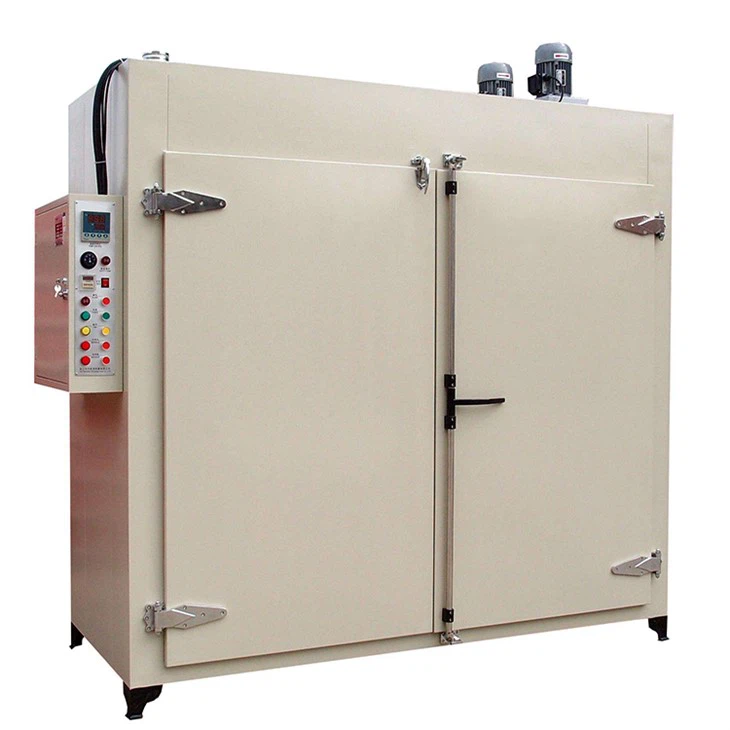
Before delving into optimization strategies, it's essential to understand how industrial vacuum ovens work. These ovens operate by creating a low-pressure environment inside the chamber, which allows for faster evaporation of solvents and moisture from the materials being processed. The reduced pressure lowers the boiling point of liquids, enabling them to evaporate at lower temperatures, which is particularly beneficial for heat-sensitive materials.
Pre - processing Preparation
- Material Selection and Preparation: Ensure that the materials to be processed are clean and free from contaminants. Contaminants can increase the processing time by interfering with the evaporation process. For example, if the material has a thick layer of dirt or grease, it may take longer for the moisture to escape. Additionally, proper sizing and packing of the materials can also impact processing time. If the materials are too large or packed too tightly, it can impede the flow of heat and vacuum, leading to longer processing times.
- Oven Pre - heating: Pre - heating the industrial vacuum oven to the desired temperature before loading the materials can significantly reduce the overall processing time. This allows the oven to reach the optimal operating conditions more quickly, minimizing the time required for the materials to reach the processing temperature.
Vacuum System Optimization
- Proper Vacuum Level: Maintaining the appropriate vacuum level is crucial for efficient processing. A higher vacuum level can speed up the evaporation process, but it also requires more energy and time to achieve. Therefore, it's important to find the right balance based on the specific requirements of the materials being processed. For most applications, a vacuum level of around 1 - 10 torr is sufficient to achieve efficient evaporation.
- Vacuum Pump Maintenance: Regular maintenance of the vacuum pump is essential to ensure its optimal performance. A well - maintained vacuum pump can achieve the desired vacuum level more quickly and maintain it consistently throughout the processing cycle. This includes checking for leaks, replacing worn - out parts, and ensuring proper lubrication.
Temperature Control
- Accurate Temperature Settings: Setting the correct temperature is vital for optimizing processing time. Different materials require different processing temperatures, and using the wrong temperature can lead to longer processing times or even damage to the materials. For example, if the temperature is set too low, the evaporation process will be slow, while setting it too high can cause the materials to degrade.
- Uniform Temperature Distribution: Ensuring uniform temperature distribution inside the oven chamber is also important. Hot spots or cold spots can result in uneven processing, which may require additional time to achieve the desired results. Using a well - designed heating system and proper insulation can help maintain a more uniform temperature throughout the chamber.
Process Monitoring and Automation
- Real - time Monitoring: Implementing a real - time monitoring system allows operators to track the progress of the processing cycle and make adjustments as needed. This can include monitoring parameters such as temperature, vacuum level, and processing time. By having access to this information, operators can identify any issues early on and take corrective actions to optimize the process.
- Automation: Automating the processing cycle can significantly reduce processing time and improve consistency. Automated systems can control the temperature, vacuum level, and other parameters precisely, eliminating the need for manual intervention. This not only saves time but also reduces the risk of human error.
Equipment Upgrades and Improvements
- Advanced Heating Elements: Upgrading to more efficient heating elements can improve the heating rate and reduce the time required to reach the desired temperature. For example, using ceramic heating elements can provide faster and more uniform heating compared to traditional heating elements.
- Enhanced Insulation: Improving the insulation of the oven chamber can reduce heat loss, allowing the oven to maintain the desired temperature more effectively. This can lead to shorter processing times and lower energy consumption.
Case Studies and Examples
Let's take a look at some real - world examples of how these optimization strategies have been applied. A company in the electronics industry was using an industrial vacuum oven to dry printed circuit boards. By implementing proper pre - processing preparation, optimizing the vacuum system, and improving temperature control, they were able to reduce the processing time by 30%. Another company in the pharmaceutical industry upgraded their oven with advanced heating elements and enhanced insulation. As a result, they achieved a 25% reduction in processing time and a significant improvement in product quality.
Related Products
If you are interested in other industrial heating equipment, we also offer a range of products such as the Explosion - proof Steam Oven, Curing Drying Oven, and Double Cone Rotary Vacuum Dryer. These products are designed to meet the diverse needs of different industries and can further enhance your processing efficiency.
Conclusion
Optimizing the processing time in an industrial vacuum oven is a multi - faceted process that involves careful consideration of various factors, including pre - processing preparation, vacuum system optimization, temperature control, process monitoring, and equipment upgrades. By implementing these strategies, you can significantly improve the efficiency of your industrial processes, reduce costs, and enhance product quality.
If you are interested in learning more about our industrial vacuum ovens or exploring how we can help you optimize your processing time, we invite you to contact us for a detailed discussion. Our team of experts is ready to assist you in finding the best solutions for your specific needs.
References
- Smith, J. (2019). Industrial Vacuum Oven Technology. Industrial Heating Journal.
- Johnson, R. (2020). Optimization Strategies for Industrial Vacuum Processes. Process Engineering Review.
- Brown, A. (2021). Advances in Industrial Heating Equipment. Manufacturing Technology Magazine.