

In the realm of industrial manufacturing, an industrial curing oven plays a pivotal role in numerous processes, from drying and baking to curing and hardening various materials. As a leading supplier of industrial curing ovens, I am often asked about the different heating methods employed in these essential pieces of equipment. In this blog post, I will delve into the various heating methods used in industrial curing ovens, shedding light on their principles, advantages, and applications.
Hot Air Circulation Heating
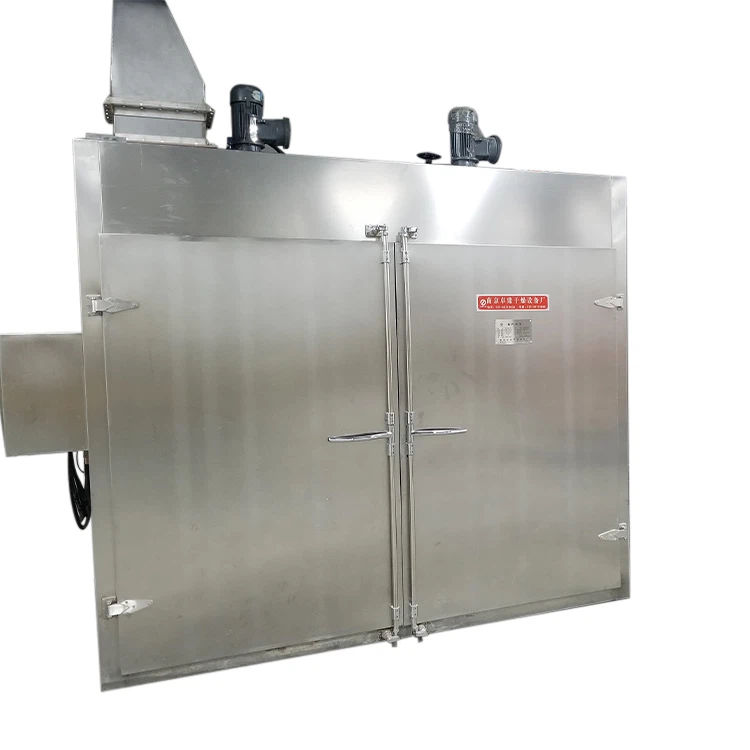
One of the most common heating methods in industrial curing ovens is hot air circulation. This method relies on the movement of heated air to transfer heat to the products inside the oven. A Hot Air Circulation Oven typically consists of a heating element, a fan, and a duct system. The heating element warms the air, and the fan circulates the hot air throughout the oven chamber, ensuring uniform temperature distribution.
The principle behind hot air circulation heating is based on convection, where the movement of the heated air transfers heat to the products. This method is highly effective in providing consistent and even heating, making it suitable for a wide range of applications. For instance, in the automotive industry, hot air circulation ovens are used to cure paint on car bodies, ensuring a smooth and durable finish. In the food industry, these ovens are employed to bake bread, cookies, and other baked goods, guaranteeing uniform cooking and excellent taste.
One of the key advantages of hot air circulation heating is its versatility. It can be used with various types of products, regardless of their shape, size, or material. Additionally, this method allows for precise temperature control, which is crucial for achieving the desired curing or drying results. Moreover, hot air circulation ovens are relatively easy to operate and maintain, making them a popular choice among industrial manufacturers.
Thermal Oil Heating
Another heating method commonly used in industrial curing ovens is thermal oil heating. In a Thermal Oil Oven, a heat transfer fluid, typically thermal oil, is heated by a burner or an electric heater. The heated oil is then circulated through a coil or a jacket surrounding the oven chamber, transferring heat to the products inside.
The principle of thermal oil heating is based on conduction, where the heat from the oil is transferred directly to the oven chamber and the products. This method offers several advantages, especially for applications that require high temperatures and precise temperature control. For example, in the chemical industry, thermal oil ovens are used to cure resins and polymers, where maintaining a specific temperature range is critical for the chemical reactions to occur properly.
One of the main advantages of thermal oil heating is its ability to provide stable and uniform heating at high temperatures. Unlike hot air circulation heating, which can be affected by air currents and temperature gradients, thermal oil heating ensures consistent heat transfer throughout the oven chamber. Additionally, thermal oil has a high heat capacity, which means it can store and transfer a large amount of heat, allowing for efficient and energy - saving operation.
However, thermal oil heating systems are more complex and expensive to install and maintain compared to hot air circulation systems. They require a dedicated oil storage tank, a circulation pump, and a monitoring system to ensure the proper operation of the oil. Moreover, the thermal oil needs to be replaced periodically to maintain its performance.
Electric Heating
Electric heating is also a popular choice for industrial curing ovens. In an Electric Trolley Oven, electric heating elements, such as resistance wires or ceramic heaters, are used to generate heat. These elements are usually installed inside the oven chamber or on the walls, and when an electric current passes through them, they heat up and transfer the heat to the products.
The principle of electric heating is based on the Joule effect, where electrical energy is converted into heat energy. This method is known for its simplicity and ease of control. Electric heating elements can be easily adjusted to provide the desired temperature, and they can reach high temperatures quickly.
One of the significant advantages of electric heating is its cleanliness. Since there is no combustion involved, there are no emissions of pollutants or fumes, making it an environmentally friendly option. It is also suitable for applications where a clean and controlled environment is required, such as in the electronics industry, where electric curing ovens are used to harden electronic components.
However, electric heating can be relatively expensive in terms of energy consumption, especially for large - scale industrial operations. The cost of electricity can be a significant factor, and in some regions, the availability of electricity may also be a concern.
Selection of the Heating Method
When selecting a heating method for an industrial curing oven, several factors need to be considered. Firstly, the nature of the products to be cured or dried is crucial. For products that are sensitive to air currents or require a clean environment, electric heating or thermal oil heating may be more suitable. On the other hand, for products that can tolerate air movement and require uniform heating over a large area, hot air circulation heating is a good choice.
Secondly, the required temperature range is an important consideration. If high temperatures (above 300°C) are needed, thermal oil heating may be the best option, as it can provide stable and uniform heating at such temperatures. For lower temperature applications, electric heating or hot air circulation heating may be sufficient.
Thirdly, the production volume and the operating cost are also significant factors. For large - scale production, a more energy - efficient heating method, such as thermal oil heating, may be preferred to reduce long - term operating costs. For small - scale or intermittent production, electric heating or hot air circulation heating may be more cost - effective.
Conclusion
In conclusion, the choice of heating method for an industrial curing oven depends on a variety of factors, including the nature of the products, the required temperature range, the production volume, and the operating cost. As a supplier of industrial curing ovens, we understand the importance of selecting the right heating method to meet the specific needs of our customers. Whether it is a hot air circulation oven, a thermal oil oven, or an electric trolley oven, we are committed to providing high - quality and reliable equipment.
If you are in the market for an industrial curing oven and need assistance in choosing the appropriate heating method or have any other questions, please feel free to contact us. Our team of experts is ready to provide you with professional advice and support to ensure that you get the best solution for your industrial needs.

References
- "Industrial Oven Handbook" by John Smith, published by Industrial Press Inc.
- "Thermal Processing in Manufacturing" by Jane Doe, published by Manufacturing Technology Institute.
- "Heating Systems for Industrial Applications" by David Johnson, published by Energy Efficiency Research Center.