

A mould preheating oven is a crucial piece of equipment in various industries, especially those involved in plastic injection molding, die - casting, and rubber processing. As a supplier of mould preheating ovens, I have in - depth knowledge of the key features that make these ovens efficient and reliable. In this blog, I will share the essential features of a high - quality mould preheating oven.
Precise Temperature Control
One of the most critical features of a mould preheating oven is precise temperature control. In many industrial processes, even a slight deviation in temperature can lead to defective products. For example, in plastic injection molding, if the mould is not preheated to the correct temperature, the plastic may not flow evenly, resulting in parts with poor surface finish or structural weaknesses.
Our mould preheating ovens are equipped with advanced temperature sensors and controllers. These sensors constantly monitor the temperature inside the oven and send feedback to the controller. The controller then adjusts the heating elements to maintain the set temperature within a very narrow range, typically ±1°C or even better. This level of precision ensures that the mould is preheated to the exact temperature required for the specific manufacturing process, improving product quality and reducing waste.
Uniform Heating Distribution
Uniform heating distribution is another vital feature. A mould needs to be heated evenly across its entire surface to ensure consistent performance during the manufacturing process. Uneven heating can cause thermal stress in the mould, leading to warping, cracking, and premature wear.
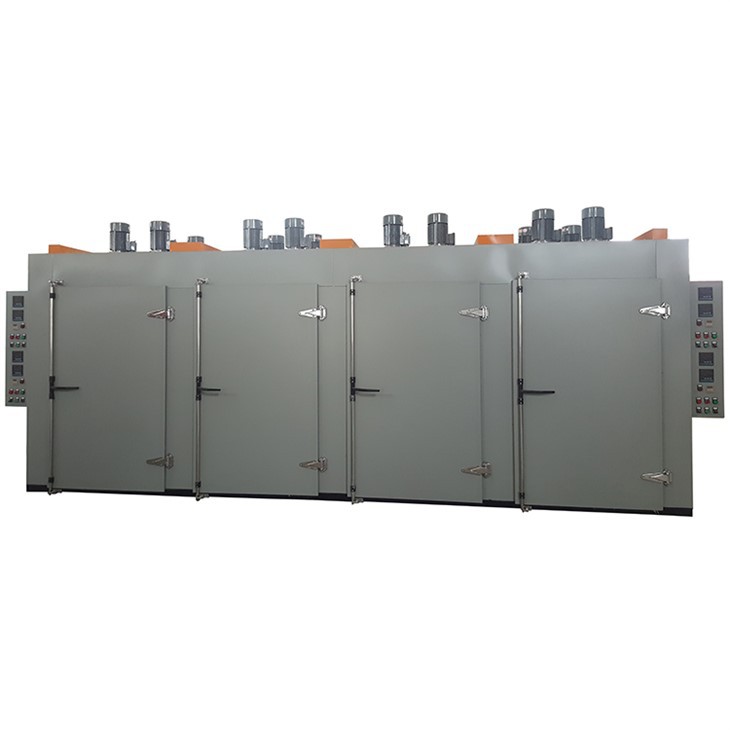
To achieve uniform heating, our ovens are designed with a well - thought - out airflow system. The heating elements are strategically placed, and fans are used to circulate hot air throughout the oven chamber. This ensures that every part of the mould receives the same amount of heat, regardless of its size or shape. For instance, in large - scale die - casting operations where the moulds can be quite massive, our ovens can still provide uniform heating, resulting in high - quality castings.
High - Quality Insulation
Good insulation is essential for a mould preheating oven. Insulation helps to retain heat inside the oven, reducing energy consumption and preventing heat loss to the surrounding environment. Our ovens are constructed with high - quality insulation materials, such as ceramic fiber or mineral wool.
These insulation materials have low thermal conductivity, which means they can effectively trap the heat inside the oven. As a result, the oven can reach and maintain the desired temperature more quickly and with less energy input. This not only saves on energy costs but also reduces the environmental impact of the manufacturing process. Moreover, the insulation also helps to keep the exterior of the oven cool to the touch, improving safety in the workplace.
Durable Construction
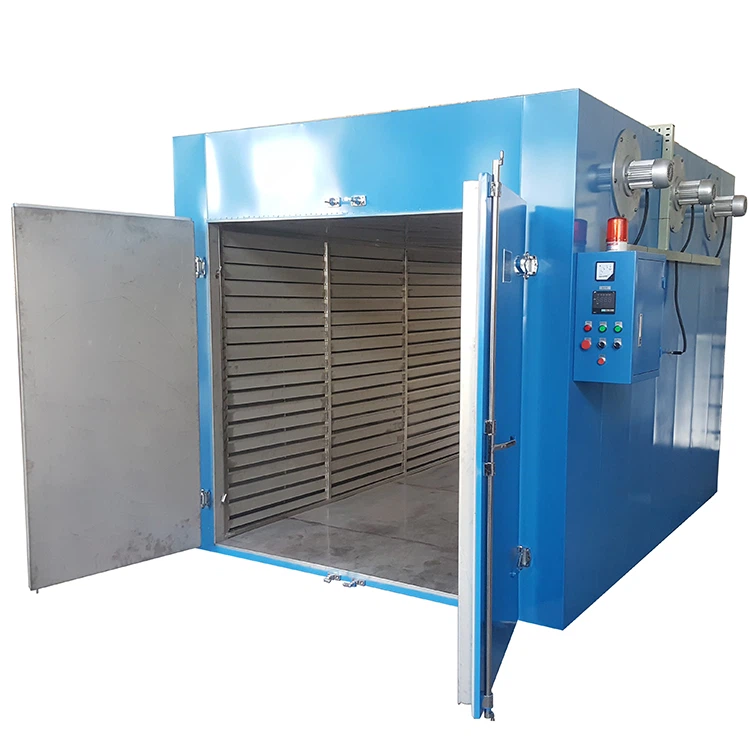
The construction of a mould preheating oven must be durable to withstand the harsh industrial environment. Our ovens are built with heavy - duty steel frames and high - quality stainless - steel interiors. The steel frames provide strong structural support, while the stainless - steel interiors are resistant to corrosion, heat, and chemical damage.
The doors of our ovens are also designed for durability. They are equipped with tight - fitting seals to prevent heat leakage and are often reinforced to withstand repeated opening and closing. Additionally, the hinges and latches are made of high - quality materials to ensure smooth operation and long - term reliability. For example, in a busy rubber processing plant where the ovens are used continuously, the durable construction of our ovens ensures minimal downtime and maintenance requirements.
Programmable Settings
Modern mould preheating ovens should offer programmable settings. This feature allows operators to set different temperature profiles for different manufacturing processes. For example, a plastic injection molding process may require a specific preheating temperature for a certain period, followed by a gradual cooling phase.
Our ovens come with user - friendly control panels that allow operators to easily program these temperature profiles. The programmable settings can be saved for future use, which is especially useful for mass production. This not only improves efficiency but also ensures consistency in the manufacturing process, as the same temperature profile can be repeated accurately for each batch of products.
Safety Features
Safety is of utmost importance in any industrial equipment. Our mould preheating ovens are equipped with a range of safety features to protect operators and prevent accidents. Over - temperature protection is a standard feature. If the temperature inside the oven exceeds a pre - set limit, the heating elements will automatically shut off to prevent overheating and potential fire hazards.
In addition, our ovens are equipped with door interlocks. When the oven door is opened, the heating elements are immediately turned off to prevent accidental burns. There are also emergency stop buttons located on the control panel for quick shutdown in case of an emergency. These safety features provide peace of mind for operators and ensure a safe working environment.
Compatibility with Accessories
A good mould preheating oven should be compatible with various accessories to enhance its functionality. For example, Tunnel Drying Oven can be used in conjunction with the mould preheating oven in some manufacturing processes. The tunnel drying oven can be used to dry the moulds before preheating or to perform additional drying steps after the manufacturing process.
Industrial Drying Oven is another useful accessory. It can be used to dry other components or materials related to the manufacturing process. And Trolley For Oven can make it easier to load and unload heavy moulds into the oven, improving efficiency and reducing the physical strain on operators.
Easy Maintenance
Maintenance is an important aspect of any industrial equipment. Our mould preheating ovens are designed for easy maintenance. The heating elements are easily accessible, which makes it simple to replace them if they malfunction. The filters in the airflow system can be easily removed and cleaned or replaced, ensuring optimal performance of the oven.
The control panels are also designed to be user - friendly, with diagnostic functions that can help operators quickly identify and troubleshoot any issues. Regular maintenance of our ovens is straightforward, which helps to extend their lifespan and keep them operating at peak performance.
Energy Efficiency
In today's environmentally conscious world, energy efficiency is a key consideration. Our mould preheating ovens are designed to be as energy - efficient as possible. As mentioned earlier, the high - quality insulation and uniform heating distribution contribute to energy savings. Additionally, the advanced temperature control system ensures that the oven uses only the necessary amount of energy to maintain the desired temperature.
We also offer energy - saving modes in some of our ovens. These modes can be activated during periods of low - demand or when the oven is not in continuous use. By reducing energy consumption, our ovens not only save costs for the manufacturers but also contribute to a more sustainable manufacturing process.
Customization Options
Every manufacturing process is unique, and different industries may have specific requirements for their mould preheating ovens. That's why we offer customization options. We can customize the size, shape, and features of the oven to meet the specific needs of our customers.
For example, if a customer has a large - scale manufacturing operation with oversized moulds, we can design and build an oven with a larger chamber to accommodate these moulds. If a customer requires a specific temperature range or heating rate, we can adjust the heating elements and control system accordingly. Our ability to customize the ovens ensures that our customers get the most suitable equipment for their specific applications.
In conclusion, a high - quality mould preheating oven should have precise temperature control, uniform heating distribution, high - quality insulation, durable construction, programmable settings, safety features, compatibility with accessories, easy maintenance, energy efficiency, and customization options. As a supplier, we are committed to providing our customers with mould preheating ovens that meet these high standards. If you are in the market for a mould preheating oven, we invite you to contact us for more information and to discuss your specific requirements. We look forward to working with you to find the perfect solution for your manufacturing needs.
References
- "Industrial Oven Handbook", John Wiley & Sons
- "Principles of Heat Transfer in Industrial Processes", McGraw - Hill Education