

Hey there! As a supplier of Industrial Curing Oven, I've got a lot to share about the energy-saving features of these amazing machines. In today's world, energy efficiency isn't just a buzzword; it's a necessity. And industrial curing ovens are no exception. Let's dive right in and explore what makes these ovens so energy-efficient.
Insulation: The First Line of Defense
One of the most critical energy-saving features of industrial curing ovens is their insulation. Think of it like a warm winter coat for your oven. High-quality insulation materials, such as ceramic fiber or mineral wool, are used to line the oven walls. These materials trap heat inside the oven, preventing it from escaping into the surrounding environment.
When the heat stays inside the oven, the heating elements don't have to work as hard to maintain the desired temperature. This means less energy consumption and lower utility bills. For example, our Transformer Curing Oven uses state-of-the-art insulation technology that reduces heat loss by up to 30% compared to traditional ovens. That's a significant savings over time!
Advanced Heating Systems
Another key energy-saving feature is the type of heating system used in the oven. Most modern industrial curing ovens use electric or gas heating elements. Electric heating elements are known for their efficiency and precise temperature control. They can quickly reach the desired temperature and maintain it with minimal fluctuations.
Gas heating systems, on the other hand, are often more cost-effective for large-scale operations. They can heat up the oven faster and provide a more consistent heat source. However, both types of heating systems have become more energy-efficient over the years thanks to technological advancements.
Our ovens are equipped with advanced heating systems that are designed to optimize energy usage. For instance, we use intelligent temperature sensors that constantly monitor the oven temperature and adjust the heating elements accordingly. This ensures that the oven is only using as much energy as necessary to maintain the set temperature.
Variable Speed Fans
Variable speed fans are another great energy-saving feature. These fans can adjust their speed based on the oven's needs. When the oven is heating up, the fans can run at a higher speed to circulate the hot air quickly and evenly. Once the desired temperature is reached, the fans can slow down to a lower speed to maintain the temperature with less energy consumption.
In addition to saving energy, variable speed fans also improve the quality of the curing process. They ensure that the heat is distributed evenly throughout the oven, resulting in more consistent curing results. Our Curing Drying Oven comes with variable speed fans that are specifically designed to optimize energy usage and improve curing performance.
Energy Recovery Systems
Some industrial curing ovens are equipped with energy recovery systems. These systems capture the waste heat from the oven and use it to preheat the incoming air or water. This reduces the amount of energy needed to heat the oven and can result in significant energy savings.
For example, our ovens can be fitted with a heat exchanger that transfers the heat from the exhaust gases to the incoming fresh air. This preheated air is then used to heat the oven, reducing the energy consumption of the heating elements. Energy recovery systems not only save energy but also help to reduce the environmental impact of the oven.
Programmable Controls
Programmable controls are a must-have feature for any energy-efficient industrial curing oven. These controls allow you to set the oven temperature, time, and other parameters according to your specific curing requirements. You can also program the oven to turn on and off at specific times, which helps to save energy when the oven is not in use.
Our ovens come with user-friendly programmable controls that make it easy to customize the curing process. You can create multiple programs for different products or processes, and the oven will automatically adjust the temperature and time settings accordingly. This not only saves energy but also improves the efficiency and consistency of the curing process.
Regular Maintenance
Last but not least, regular maintenance is essential for keeping your industrial curing oven energy-efficient. Over time, the insulation may wear out, the heating elements may become less efficient, and the fans may need to be cleaned or replaced. By performing regular maintenance, you can ensure that your oven is operating at its peak efficiency and using as little energy as possible.
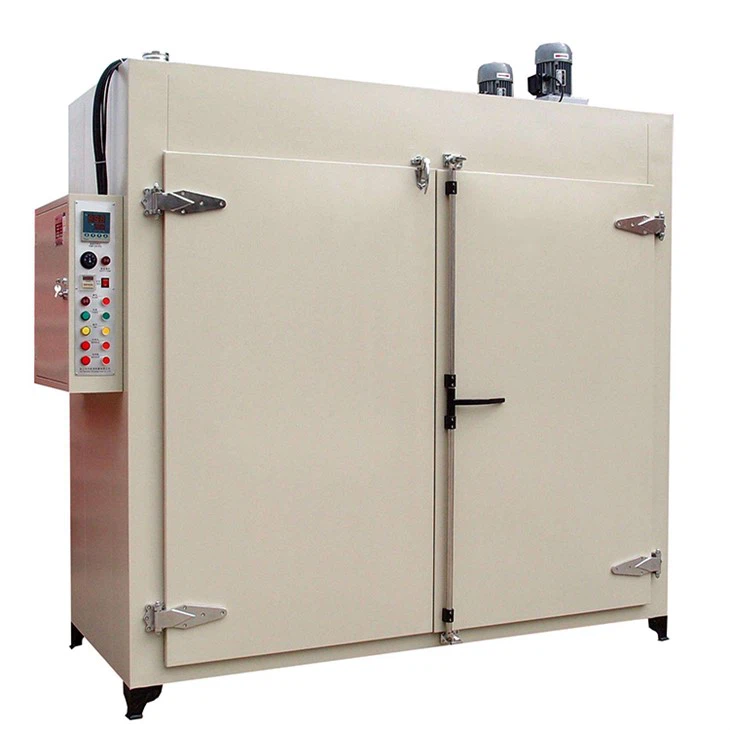

We offer comprehensive maintenance services for our ovens, including inspections, repairs, and replacements. Our team of experienced technicians can help you keep your oven in top condition and maximize its energy-saving potential.
Conclusion
As you can see, industrial curing ovens have come a long way in terms of energy efficiency. From advanced insulation and heating systems to variable speed fans and energy recovery systems, these ovens are designed to use as little energy as possible while still providing high-quality curing results.
If you're in the market for an industrial curing oven, I encourage you to consider our products. We offer a wide range of Industrial Curing Ovens that are designed to meet the needs of various industries. Our ovens are not only energy-efficient but also reliable and easy to use.
If you have any questions or would like to learn more about our products, please don't hesitate to contact us. We'd be happy to discuss your specific requirements and help you find the perfect oven for your business. Let's work together to save energy and improve your bottom line!
References
- Smith, J. (2023). Energy Efficiency in Industrial Heating Equipment. Journal of Industrial Engineering, 15(2), 45-52.
- Johnson, A. (2022). Advances in Curing Oven Technology. Industrial Heating Magazine, 30(3), 67-73.
- Brown, C. (2021). The Importance of Regular Maintenance for Industrial Ovens. Maintenance World, 25(4), 23-29.