

Cleaning the heating elements in a vacuum drying cabinet is a crucial maintenance task that ensures the efficient and safe operation of the equipment. As a supplier of Vacuum Drying Cabinets, I understand the importance of proper maintenance and am here to guide you through the process.
Why Clean the Heating Elements?
Heating elements in a vacuum drying cabinet are responsible for generating the heat required to dry the samples. Over time, these elements can accumulate dust, debris, and other contaminants, which can affect their performance. A dirty heating element may not reach the desired temperature, leading to longer drying times and inconsistent results. Additionally, the buildup of contaminants can pose a fire hazard, especially in a high - temperature environment.
Tools and Materials Needed
Before you start cleaning the heating elements, gather the following tools and materials:
- Soft brush: A soft - bristled brush, such as a paintbrush or a makeup brush, can be used to gently remove loose dust and debris from the heating elements.
- Compressed air: A can of compressed air can be used to blow away stubborn dust and particles from hard - to - reach areas.
- Cleaning solution: You can use a mild cleaning solution, such as a mixture of water and dish soap, to clean the heating elements. Avoid using abrasive cleaners or solvents that may damage the elements.
- Safety equipment: Wear safety goggles and gloves to protect your eyes and hands during the cleaning process.
Step - by - Step Cleaning Process
Step 1: Power Off and Cool Down
The first and most important step is to turn off the power to the vacuum drying cabinet and allow it to cool down completely. This is essential to prevent any risk of electric shock or burns. Make sure to wait at least 30 minutes after turning off the power to ensure that the heating elements have cooled down.
Step 2: Access the Heating Elements
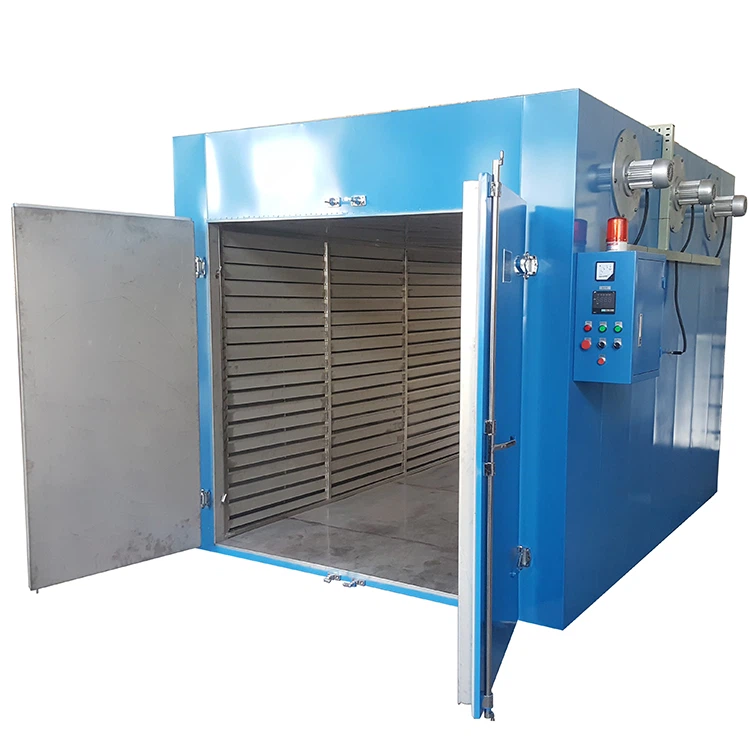
Depending on the design of your vacuum drying cabinet, you may need to remove a panel or cover to access the heating elements. Refer to the user manual for your specific model to find out how to access the elements safely.
Step 3: Remove Loose Debris
Use a soft brush to gently remove any loose dust and debris from the heating elements. Be careful not to apply too much pressure, as this may damage the elements. You can also use compressed air to blow away any stubborn particles from hard - to - reach areas.
Step 4: Prepare the Cleaning Solution
Mix a small amount of dish soap with water in a bowl to create a mild cleaning solution. Dip a soft cloth or sponge into the solution and wring it out well so that it is damp but not dripping.
Step 5: Clean the Heating Elements
Gently wipe the heating elements with the damp cloth or sponge. Make sure to clean all surfaces of the elements, including the coils and the connections. Avoid getting the cleaning solution on any electrical components, as this may cause damage.
Step 6: Rinse and Dry
After cleaning the heating elements, rinse the cloth or sponge with clean water and wring it out. Use the damp cloth to wipe away any remaining cleaning solution from the elements. Then, use a dry cloth to dry the elements thoroughly.
Step 7: Reassemble the Cabinet
Once the heating elements are dry, reassemble the panel or cover that you removed earlier. Make sure all connections are secure and the cabinet is properly sealed.
Maintenance Tips
- Regular cleaning: To prevent the buildup of dust and debris, it is recommended to clean the heating elements in your vacuum drying cabinet at least once every three months.
- Inspection: Periodically inspect the heating elements for signs of damage, such as cracks or breaks. If you notice any damage, replace the elements immediately.
- Use proper samples: Make sure to use samples that are suitable for the vacuum drying process. Avoid using samples that may release contaminants or residues that can accumulate on the heating elements.
Related Products
If you are looking for other industrial heating equipment, we also offer a range of products, including Oil Drum Oven, Industrial Drying Oven, and Explosion - proof Oven. These products are designed to meet the specific needs of various industries and applications.
Conclusion
Cleaning the heating elements in a vacuum drying cabinet is a simple yet important maintenance task that can improve the performance and lifespan of your equipment. By following the steps outlined in this guide, you can ensure that your vacuum drying cabinet operates efficiently and safely. If you have any questions or need further assistance with cleaning or maintaining your vacuum drying cabinet, please feel free to contact us. We are here to help you make the most of your equipment and ensure that it meets your specific needs.
References
- Manufacturer's user manual for the vacuum drying cabinet.
- General knowledge of industrial heating equipment maintenance.