

Can an electric drying oven be used for drying chemicals? This is a question that often arises in various chemical processing and laboratory settings. As a supplier of electric drying ovens, I have encountered numerous inquiries regarding the suitability of our ovens for drying different types of chemicals. In this blog, I will explore the factors that determine whether an electric drying oven can be used for drying chemicals, the types of chemicals that can be safely dried, and the precautions that need to be taken.
Understanding the Basics of Electric Drying Ovens
Electric drying ovens are widely used in industries and laboratories for drying, baking, and heat treating various materials. They work by using electricity to generate heat, which is then circulated within the oven chamber to remove moisture from the materials being dried. These ovens come in different sizes, configurations, and temperature ranges to meet the diverse needs of different applications.
One of the key advantages of electric drying ovens is their precise temperature control. This allows for accurate and consistent drying of materials, which is crucial for many chemical processes. Additionally, electric drying ovens are relatively easy to operate and maintain, making them a popular choice for both small-scale and large-scale operations.
Factors to Consider When Drying Chemicals
When considering using an electric drying oven for drying chemicals, several factors need to be taken into account:
Chemical Compatibility
Not all chemicals are suitable for drying in an electric drying oven. Some chemicals may react with the materials used in the oven, such as the heating elements or the interior lining, which can lead to corrosion or other damage. It is important to ensure that the chemicals being dried are compatible with the oven materials. For example, strong acids or alkalis may require special coatings or materials to prevent corrosion.
Flammability and Explosibility
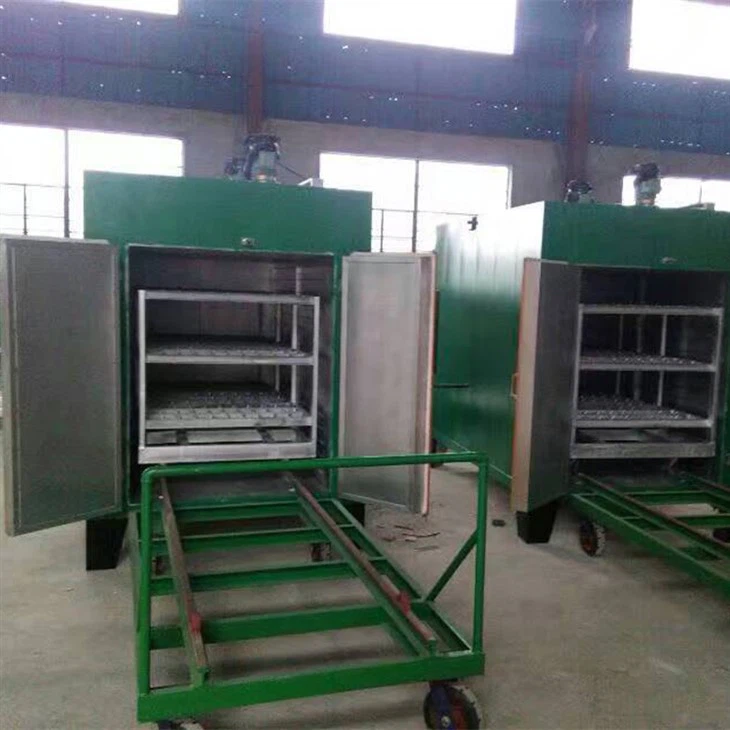
Many chemicals are flammable or explosive, and drying them in an electric drying oven can pose a significant safety risk. It is essential to understand the flammability and explosibility properties of the chemicals being dried and take appropriate precautions. For chemicals with a high risk of explosion, an Explosion-proof Drying Oven should be used. These ovens are designed to prevent the ignition of flammable vapors and gases, ensuring a safe drying process.

Temperature Sensitivity
Some chemicals are sensitive to high temperatures and may decompose or undergo chemical reactions when exposed to excessive heat. It is crucial to determine the maximum temperature that the chemical can withstand without being damaged. The electric drying oven should be set to a temperature within the safe range for the chemical being dried.
Moisture Content and Drying Time
The moisture content of the chemical and the desired drying time also play a significant role in the drying process. Different chemicals have different moisture contents, and the drying time required to remove the moisture will vary accordingly. The oven should be able to provide enough heat and airflow to efficiently remove the moisture within a reasonable time frame.
Types of Chemicals That Can Be Dried in an Electric Drying Oven
Many types of chemicals can be safely dried in an electric drying oven, including:
Inorganic Salts
Inorganic salts, such as sodium chloride, potassium nitrate, and calcium carbonate, are commonly dried in electric drying ovens. These salts are generally stable at high temperatures and do not pose a significant safety risk. However, it is still important to ensure that the oven is clean and free of any contaminants that could react with the salts.
Organic Compounds
Some organic compounds, such as alcohols, esters, and polymers, can also be dried in an electric drying oven. However, it is important to note that many organic compounds are flammable or volatile, and special precautions need to be taken. For example, the oven should be well-ventilated to prevent the accumulation of flammable vapors.
Pharmaceuticals
In the pharmaceutical industry, electric drying ovens are often used to dry active pharmaceutical ingredients (APIs) and other pharmaceutical products. These ovens need to meet strict quality and safety standards to ensure the integrity of the pharmaceutical products.
Precautions for Drying Chemicals in an Electric Drying Oven
To ensure the safe and effective drying of chemicals in an electric drying oven, the following precautions should be taken:
Read the Chemical Safety Data Sheet (SDS)
Before drying any chemical, it is essential to read the SDS to understand its properties, hazards, and recommended handling procedures. The SDS will provide information on the chemical's flammability, toxicity, and compatibility with other materials.
Clean the Oven
The oven should be thoroughly cleaned before drying any chemicals to prevent contamination. This includes removing any residues from previous drying processes and ensuring that the interior of the oven is free of dust and debris.
Use Appropriate Containers
The chemicals should be placed in appropriate containers that are compatible with the chemicals and the oven. The containers should be made of materials that can withstand the high temperatures and any potential chemical reactions.
Monitor the Drying Process
The drying process should be closely monitored to ensure that the temperature and time settings are appropriate. If any signs of overheating, chemical reactions, or other problems are observed, the drying process should be stopped immediately.
Ventilation
Proper ventilation is crucial when drying chemicals in an electric drying oven. The oven should be equipped with a ventilation system to remove any fumes or vapors generated during the drying process. This helps to prevent the accumulation of flammable or toxic gases.
Our Electric Drying Oven Products
As a supplier of electric drying ovens, we offer a wide range of products to meet the diverse needs of different industries and applications. Our Industrial Benchtop Oven is a compact and versatile oven that is suitable for small-scale drying and heat treating applications. It features precise temperature control and a uniform heating system, ensuring consistent and reliable results.
For applications that require a higher level of safety, our Explosion-proof Drying Oven is the ideal choice. This oven is designed to prevent the ignition of flammable vapors and gases, making it suitable for drying flammable chemicals.
In addition, we also offer the Mesh Belt Tunnel Oven, which is a continuous drying oven that is suitable for large-scale production. It features a mesh belt conveyor system that allows for the continuous drying of materials, increasing productivity and efficiency.
Contact Us for Procurement
If you are interested in purchasing an electric drying oven for drying chemicals, we would be happy to assist you. Our team of experts can provide you with detailed information about our products, help you select the right oven for your specific needs, and answer any questions you may have. Contact us today to start the procurement process and take advantage of our high-quality electric drying ovens.
References
- Chemical Safety Data Sheets (SDS) for various chemicals
- Industrial Oven Manufacturer's Guidelines and Specifications