

What is the monitoring system for an industrial vacuum oven?
As a supplier of industrial vacuum ovens, I am often asked about the monitoring systems that are essential for these sophisticated pieces of equipment. An industrial vacuum oven is a specialized device used in various industries, such as electronics, pharmaceuticals, and materials science, to perform processes under vacuum conditions. The monitoring system plays a crucial role in ensuring the proper operation, safety, and efficiency of the oven.
The Basics of an Industrial Vacuum Oven
Before delving into the monitoring system, it's important to understand the basic functions of an industrial vacuum oven. These ovens are designed to create a low - pressure environment, which can be beneficial for processes like drying, degassing, and heat treatment. By removing air and other gases from the chamber, the oven can prevent oxidation, reduce the boiling point of liquids, and achieve more uniform heating.
The main components of an industrial vacuum oven typically include a chamber, a heating element, a vacuum pump, and a control system. The chamber is where the materials are placed for processing. The heating element provides the necessary heat, and the vacuum pump is responsible for creating and maintaining the vacuum. The control system, which includes the monitoring system, regulates the temperature, pressure, and other parameters.
Key Components of the Monitoring System
-
Temperature Monitoring
Temperature is one of the most critical parameters in an industrial vacuum oven. Precise temperature control is essential for ensuring the quality of the processed materials. The monitoring system usually includes temperature sensors, such as thermocouples or resistance temperature detectors (RTDs). These sensors are placed inside the oven chamber at strategic locations to measure the temperature accurately.
The monitoring system continuously records the temperature readings and compares them to the setpoint. If the temperature deviates from the desired range, the control system can adjust the heating element to bring the temperature back to the setpoint. Some advanced monitoring systems can also provide real - time temperature profiles, which can be used for process optimization and quality control. -
Pressure Monitoring
Maintaining the correct pressure inside the oven chamber is equally important. The vacuum level affects the boiling point of liquids and the rate of gas removal. Pressure sensors, such as Pirani gauges or capacitance manometers, are used to measure the pressure inside the chamber.
The monitoring system keeps track of the pressure and ensures that it remains within the specified range. If the pressure rises above or falls below the setpoint, the control system can adjust the vacuum pump to maintain the desired pressure. This is crucial for preventing over - pressurization or under - pressurization, which can damage the oven or affect the quality of the processed materials. -
Vacuum Leak Detection
A vacuum leak can significantly affect the performance of an industrial vacuum oven. The monitoring system can include leak detection sensors to identify any leaks in the chamber. These sensors work by detecting changes in pressure or gas concentration.
If a leak is detected, the monitoring system can alert the operator, and appropriate measures can be taken to fix the leak. This may involve checking the seals, valves, and connections in the oven. Regular leak checks are essential for maintaining the integrity of the vacuum system. -
Time Monitoring
In many processes, the duration of the operation is critical. The monitoring system can include a timer to keep track of the processing time. This ensures that the materials are processed for the correct amount of time, which is important for achieving the desired results.
Advanced Monitoring Features
-
Data Logging and Analysis
Modern monitoring systems can store large amounts of data, including temperature, pressure, and time readings. This data can be analyzed to identify trends, optimize processes, and troubleshoot problems. For example, by analyzing the temperature profiles over time, operators can determine if there are any hot spots or uneven heating in the oven.
Data logging also allows for traceability, which is important for quality control and compliance with industry standards. The data can be exported in various formats for further analysis using software tools. -
Remote Monitoring and Control
With the advancement of technology, many industrial vacuum ovens can now be monitored and controlled remotely. This is especially useful for large manufacturing facilities where operators may not be able to be present at the oven at all times.
Remote monitoring allows operators to access real - time data, receive alerts, and even adjust the settings of the oven from a computer or mobile device. This improves efficiency and reduces the need for on - site personnel. -
Safety Monitoring
Safety is a top priority in industrial environments. The monitoring system can include safety features such as over - temperature protection, over - pressure protection, and emergency stop buttons. These features ensure that the oven operates safely and prevent accidents.
For example, if the temperature exceeds a certain limit, the over - temperature protection system will automatically shut off the heating element to prevent damage to the oven and the materials inside.
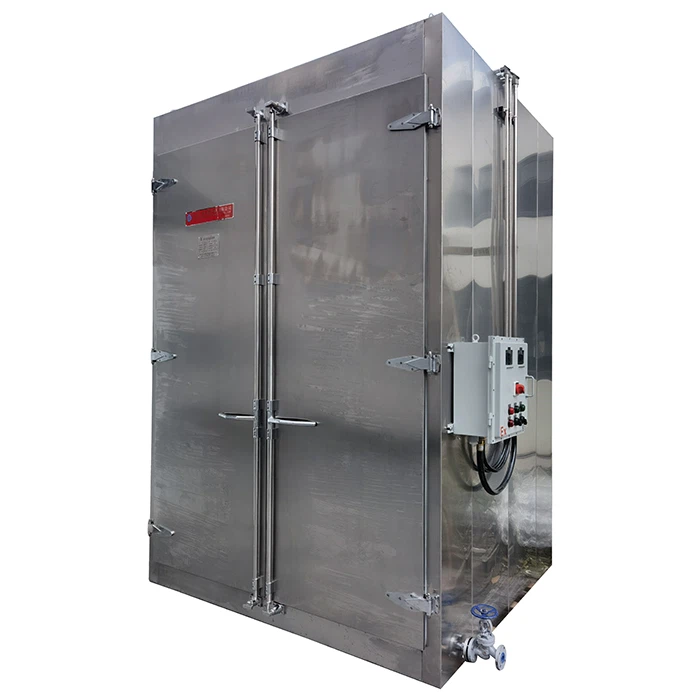
The Importance of a Reliable Monitoring System
A reliable monitoring system is essential for the proper operation of an industrial vacuum oven. It ensures that the oven operates within the specified parameters, which is crucial for the quality of the processed materials. A well - designed monitoring system can also improve the efficiency of the oven, reduce energy consumption, and extend the lifespan of the equipment.
In addition, a reliable monitoring system can help companies comply with industry regulations and standards. For example, in the pharmaceutical industry, strict regulations govern the processing of drugs, and accurate monitoring of temperature and pressure is essential for ensuring product quality and safety.
Related Products
If you are interested in other industrial heating equipment, we also offer Explosion - proof Industrial Oven and Explosion - proof Oven. These ovens are designed to operate in hazardous environments and provide a high level of safety. We also have Double Cone Vacuum Dryer, which is suitable for drying various materials under vacuum conditions.
Contact for Procurement
If you are considering purchasing an industrial vacuum oven or any of our related products, we encourage you to reach out to us for a detailed discussion. Our team of experts can provide you with more information about our products, answer your questions, and help you choose the right equipment for your specific needs. We look forward to the opportunity to work with you and provide you with high - quality industrial heating solutions.
References
- Smith, J. (2018). Industrial Vacuum Oven Technology. Industrial Heating Journal, 45(2), 34 - 42.
- Johnson, A. (2019). Monitoring Systems for Industrial Equipment. Manufacturing Review, 56(3), 78 - 85.
- Brown, C. (2020). Safety in Industrial Vacuum Ovens. Safety Engineering Magazine, 67(4), 12 - 19.