

As a leading supplier of industrial drying ovens, I understand the importance of noise reduction in industrial settings. Excessive noise not only affects the working environment but also poses potential health risks to workers. In this blog post, I will discuss various noise - reduction measures for industrial drying ovens, drawing on our years of experience in the industry.
1. Understanding the Noise Sources in Industrial Drying Ovens
Before we can implement effective noise - reduction measures, it is crucial to understand where the noise in industrial drying ovens comes from. The main noise sources typically include:

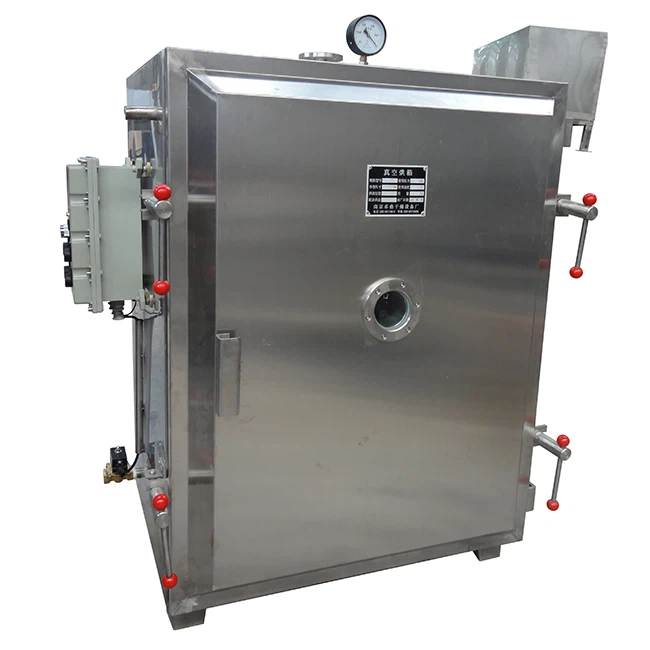
- Fan Noise: Industrial drying ovens often use fans to circulate hot air. The rotation of the fan blades can generate aerodynamic noise, especially at high speeds. The design of the fan, including the blade shape, size, and number, can significantly affect the noise level.
- Motor Noise: The motors that drive the fans and other moving parts in the oven can also be a major source of noise. Electrical and mechanical vibrations in the motor can produce humming and buzzing sounds.
- Airflow Noise: As hot air moves through the oven's ducts and chambers, it can create turbulence and airflow - related noise. Restrictions or irregularities in the airflow path can exacerbate this problem.
- Structural Vibration: The operation of the oven can cause the entire structure to vibrate, which in turn generates noise. Loose components, improper installation, or a lack of structural damping can contribute to this type of noise.
2. Design - Level Noise Reduction Measures
Fan Design Optimization
- Aerodynamic Blade Design: We focus on using fans with aerodynamically optimized blade designs. These blades are shaped to minimize the generation of turbulence and eddies as the air passes over them. By reducing the aerodynamic forces that cause noise, we can significantly lower the overall fan noise level.
- Variable - Speed Fans: Installing variable - speed fans allows us to adjust the fan speed according to the drying requirements. At lower speeds, the fans produce less noise while still providing sufficient air circulation. This not only reduces noise but also saves energy.
Motor Selection and Isolation
- Low - Noise Motors: We carefully select motors with low - noise characteristics. Motors with high - quality bearings and well - balanced rotors produce less vibration and noise. Additionally, we choose motors with appropriate power ratings to avoid over - working the motor, which can increase noise levels.
- Motor Isolation: To prevent motor vibrations from being transmitted to the oven structure, we use vibration - isolating mounts. These mounts are made of materials such as rubber or silicone, which can absorb and dampen the vibrations, reducing the noise transmitted to the surrounding environment.
Airflow Path Design
- Smooth Ductwork: We design the oven's airflow ducts to be as smooth as possible. This reduces the resistance to airflow and minimizes the generation of turbulence. Bends and corners in the ducts are designed with large radii to ensure a smooth flow of air.
- Airflow Balancing: Proper airflow balancing is essential to ensure uniform air distribution throughout the oven. By using dampers and baffles, we can adjust the airflow in different parts of the oven, reducing the formation of high - velocity air jets that can cause noise.
Structural Design
- Rigid Structure: We construct the oven with a rigid and well - designed structure. A strong frame can better withstand the vibrations generated during operation and prevent excessive noise from being produced.
- Damping Materials: We incorporate damping materials into the oven's structure. These materials, such as acoustic foams and viscoelastic polymers, can absorb and dissipate the energy of vibrations, reducing the noise level.
3. Installation - Level Noise Reduction Measures
Proper Installation
- Level Installation: Ensuring that the oven is installed on a level surface is crucial. An uneven installation can cause the oven to vibrate more, leading to increased noise. We use leveling feet and precision measurement tools during the installation process to ensure a level and stable installation.
- Secure Mounting: All components of the oven, including the fans, motors, and ducts, must be securely mounted. Loose components can vibrate and generate noise. We use appropriate fasteners and brackets to ensure that everything is tightly secured.
Isolation from the Surrounding Environment
- Acoustic Enclosures: In some cases, we recommend installing acoustic enclosures around the oven. These enclosures are made of sound - absorbing materials and can significantly reduce the noise emitted from the oven. The enclosures can be designed to allow for proper ventilation and access to the oven for maintenance.
- Isolation Pads: Placing isolation pads between the oven and the floor or other supporting structures can further reduce the transmission of vibrations and noise. These pads are made of materials with high damping properties, such as rubber or cork.
4. Maintenance - Level Noise Reduction Measures
Regular Inspection and Maintenance
- Component Inspection: We recommend regular inspections of the oven's components, including the fans, motors, belts, and bearings. Loose or worn - out components can cause increased noise. By identifying and replacing these components in a timely manner, we can prevent the noise level from escalating.
- Lubrication: Proper lubrication of moving parts, such as bearings and motors, is essential. Lubrication reduces friction and wear, which in turn reduces noise. We follow a strict lubrication schedule to ensure that all components are properly lubricated.
Air Filter Maintenance
- Clean Air Filters: Clogged air filters can restrict the airflow and cause the fans to work harder, resulting in increased noise. We advise our customers to clean or replace the air filters regularly to maintain proper airflow and reduce noise.
5. Additional Noise Reduction Solutions
Sound - Absorbing Materials
- Internal Lining: We can line the interior of the oven with sound - absorbing materials, such as acoustic fiberglass or mineral wool. These materials can absorb the noise generated inside the oven and prevent it from being transmitted to the outside.
- External Insulation: Applying external insulation to the oven can also help reduce noise. Insulation materials not only provide thermal insulation but also act as a barrier to sound transmission.
Active Noise Control Systems
- Advanced Technology: In some high - end applications, we offer active noise control systems. These systems use microphones to detect the noise generated by the oven and then emit anti - noise signals through speakers to cancel out the original noise. While this technology is more complex and expensive, it can provide significant noise reduction in challenging environments.
6. Our Product Range and Noise Reduction
We offer a wide range of industrial drying ovens, including Explosion-proof Vacuum Box, Vacuum Drying Cabinet, and Mould Preheating Oven. All of our products are designed with noise reduction in mind. Whether you need a small - scale drying oven for a laboratory or a large - scale industrial - grade oven, we can provide you with a solution that meets your noise requirements.
7. Contact Us for Procurement and Consultation
If you are in the market for an industrial drying oven and are concerned about noise levels, we are here to help. Our team of experts can provide you with detailed information about our noise - reduction measures and recommend the most suitable oven for your specific needs. We are committed to delivering high - quality products that not only meet your drying requirements but also provide a quiet and comfortable working environment.
Feel free to reach out to us for procurement discussions. We look forward to working with you to find the perfect industrial drying oven solution.
References
- [1] "Industrial Noise Control Handbook", CRC Press
- [2] "Noise and Vibration Control Engineering: Principles and Applications", John Wiley & Sons
- [3] Research papers on industrial drying oven design and noise reduction from leading industry journals.