

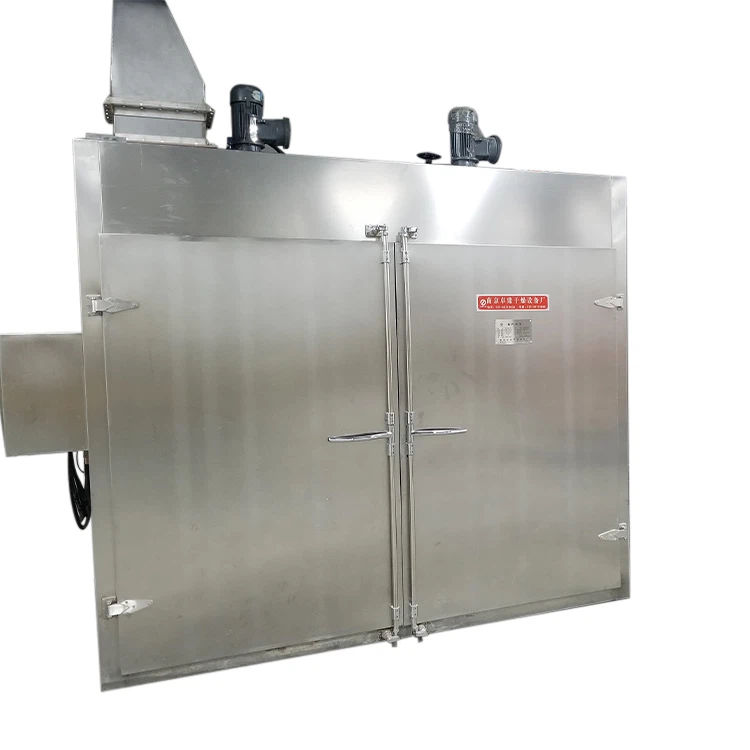
In the industrial realm, optimizing the drying cycle time in an industrial drying oven is crucial for enhancing productivity, reducing energy consumption, and ultimately improving the bottom line. As a trusted supplier of Industrial Drying Oven, we understand the significance of this process and are committed to providing solutions that meet the diverse needs of our customers. In this blog, we will explore various strategies and techniques to help you optimize the drying cycle time in your industrial drying oven.
Understanding the Drying Process
Before delving into optimization strategies, it is essential to understand the basic principles of the drying process. Drying involves the removal of moisture from a material by applying heat and creating a driving force for moisture transfer. The rate of drying depends on several factors, including the temperature, humidity, air circulation, and the properties of the material being dried.
In an industrial drying oven, heat is typically applied through convection, conduction, or radiation. Convection drying is the most common method, where hot air is circulated around the material to remove moisture. Conduction drying involves direct contact between the material and a heated surface, while radiation drying uses infrared or microwave energy to heat the material.
Factors Affecting Drying Cycle Time
Several factors can influence the drying cycle time in an industrial drying oven. Understanding these factors is crucial for identifying areas for improvement and implementing effective optimization strategies.
Temperature
Temperature plays a significant role in the drying process. Higher temperatures generally result in faster drying rates, but they can also cause damage to the material being dried. It is essential to find the optimal temperature that balances drying speed and product quality.
Humidity
Humidity refers to the amount of moisture in the air. High humidity levels can slow down the drying process, as the air is already saturated with moisture. Removing moisture from the air can help accelerate the drying process. This can be achieved through dehumidification systems or by increasing the air circulation in the oven.
Air Circulation
Proper air circulation is essential for efficient drying. It ensures that the hot air reaches all parts of the material being dried and helps remove the moisture-laden air. Poor air circulation can lead to uneven drying and longer drying times. To improve air circulation, consider using fans or blowers to create a uniform flow of air throughout the oven.
Material Properties
The properties of the material being dried, such as its moisture content, porosity, and thickness, can also affect the drying cycle time. Materials with high moisture content or low porosity may take longer to dry. Understanding the specific properties of your material can help you tailor the drying process to achieve optimal results.
Strategies for Optimizing Drying Cycle Time
Based on the factors mentioned above, here are some strategies that can help you optimize the drying cycle time in your industrial drying oven:
Pre-drying
Pre-drying the material before placing it in the oven can significantly reduce the drying cycle time. This can be done using methods such as air drying, vacuum drying, or using a pre-drying chamber. Pre-drying helps remove a significant portion of the moisture from the material, allowing the oven to focus on the final drying stage.
Optimize Temperature and Humidity
As mentioned earlier, finding the optimal temperature and humidity levels is crucial for efficient drying. Conduct experiments to determine the ideal temperature and humidity settings for your specific material. You may also consider using a humidity sensor to monitor and control the humidity levels in the oven.
Improve Air Circulation
To improve air circulation in the oven, ensure that the fans or blowers are properly positioned and functioning correctly. You can also use baffles or air ducts to direct the airflow and ensure that it reaches all parts of the material being dried. Additionally, consider using a recirculation system to reuse the hot air, which can help reduce energy consumption and improve drying efficiency.
Use a Vacuum Drying Cabinet
For materials that are sensitive to high temperatures or require a low-oxygen environment, a Vacuum Drying Cabinet can be a great option. Vacuum drying involves removing the air from the drying chamber, which reduces the boiling point of water and allows for faster drying at lower temperatures. This can help prevent damage to the material and reduce the drying cycle time.
Optimize Loading
Proper loading of the oven is essential for efficient drying. Avoid overloading the oven, as this can restrict air circulation and lead to uneven drying. Instead, ensure that the material is evenly distributed throughout the oven and that there is enough space between the items for air to flow.
Monitor and Control the Drying Process
Regularly monitor the drying process to ensure that it is progressing as expected. Use sensors to measure the temperature, humidity, and moisture content of the material being dried. This will allow you to make adjustments to the drying parameters as needed and ensure that the drying cycle time is optimized.
Case Study: Optimizing Drying Cycle Time in a Hot Air Circulation Oven
To illustrate the effectiveness of these optimization strategies, let's consider a case study of a company that manufactures electronic components. The company was using a Hot Air Circulation Oven to dry the components after the manufacturing process. However, the drying cycle time was long, and the quality of the components was inconsistent.
After conducting a thorough analysis of the drying process, the company implemented the following optimization strategies:
- Pre-drying: The components were pre-dried using a vacuum drying cabinet to remove a significant portion of the moisture before placing them in the hot air circulation oven.
- Optimize Temperature and Humidity: The company conducted experiments to determine the optimal temperature and humidity settings for the components. They found that a temperature of 80°C and a humidity level of 30% resulted in the fastest drying time without compromising the quality of the components.
- Improve Air Circulation: The company installed additional fans and baffles in the oven to improve air circulation. This ensured that the hot air reached all parts of the components and helped remove the moisture-laden air.
- Optimize Loading: The company redesigned the loading racks to ensure that the components were evenly distributed throughout the oven and that there was enough space between the items for air to flow.
As a result of these optimization strategies, the company was able to reduce the drying cycle time by 30% and improve the quality of the components. This not only increased productivity but also reduced energy consumption and saved costs.
Conclusion
Optimizing the drying cycle time in an industrial drying oven is a complex process that requires a thorough understanding of the drying process and the factors that affect it. By implementing the strategies outlined in this blog, you can significantly reduce the drying cycle time, improve product quality, and increase productivity.
As a leading supplier of industrial drying ovens, we are committed to providing our customers with the latest technology and solutions to help them optimize their drying processes. If you are interested in learning more about our products or have any questions about optimizing the drying cycle time in your industrial drying oven, please contact us to discuss your specific needs and requirements. We look forward to working with you to achieve your drying goals.

References
- Smith, J. (2018). Industrial Drying Technology. Wiley.
- Mujumdar, A. S. (2014). Handbook of Industrial Drying. CRC Press.
- Perry, R. H., & Green, D. W. (2007). Perry's Chemical Engineers' Handbook. McGraw-Hill.