

Hey there! As a supplier of Tunnel Drying Ovens, I've seen firsthand how important it is to operate these machines safely. A tunnel drying oven is a powerful piece of equipment used in various industries, including food processing, electronics manufacturing, and pharmaceuticals. But with great power comes great responsibility, right? So, let's dive into how you can operate a tunnel drying oven safely.
Pre - operation Checks
Before you even think about firing up the tunnel drying oven, there are some crucial pre - operation checks you need to do.
First off, inspect the physical condition of the oven. Look for any signs of damage to the exterior, like cracks or dents. These might seem minor, but they could potentially lead to heat leakage or other safety hazards. Check the doors and seals to make sure they close properly. A loose door or a damaged seal can not only waste energy but also pose a risk of burns if hot air escapes.
Next, examine the electrical connections. Loose wires or frayed cables are a huge no - no. They can cause short circuits, which can lead to fires or electric shocks. Make sure all the plugs are securely inserted into the sockets and that there are no exposed wires. If you notice any issues with the electrical system, don't try to fix it yourself. Call a qualified electrician right away.
The ventilation system is another critical component. A well - functioning ventilation system helps to remove moisture, fumes, and heat from the oven. Check the ventilation ducts for any blockages. Dust, debris, or even small objects can get stuck in the ducts and impede the airflow. If the ventilation is poor, it can cause a buildup of heat and fumes inside the oven, increasing the risk of an explosion or a fire.
Loading the Oven
When it comes to loading the tunnel drying oven, there are a few things to keep in mind. First, don't overcrowd the oven. Each oven has a recommended loading capacity, and exceeding it can lead to uneven drying and overheating. Make sure there is enough space between the items being dried to allow for proper air circulation.
Also, be careful about the type of materials you're putting in the oven. Some materials may release flammable or toxic gases when heated. For example, certain plastics or chemicals can emit harmful fumes. If you're unsure about the compatibility of a material with the oven, do some research or consult the manufacturer.
When loading the items, place them on the trays or racks carefully. Make sure they are stable and won't fall off during the drying process. Unevenly loaded trays can cause the oven to become unbalanced, which can affect its performance and safety.
Operating the Oven
Once you've completed the pre - operation checks and loaded the oven correctly, it's time to start the operation.
Set the temperature and time according to the requirements of the materials being dried. Don't just guess; refer to the guidelines provided by the manufacturer or based on your previous experience. Setting the temperature too high can damage the materials or even cause a fire, while setting it too low may result in incomplete drying.
Monitor the oven during operation. Keep an eye on the temperature gauge and the timer. If you notice any sudden changes in temperature or if the timer malfunctions, stop the operation immediately. You can also listen for any unusual noises coming from the oven. Grinding, rattling, or hissing sounds could indicate a problem with the motor, fan, or other components.

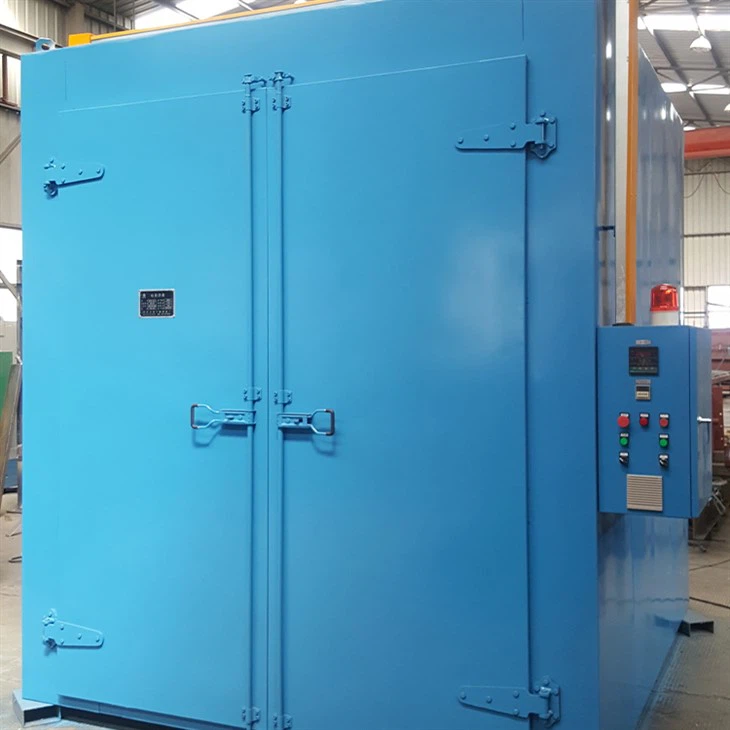
Avoid opening the oven door unnecessarily during the drying process. Opening the door can cause a sudden change in temperature and airflow, which can affect the drying quality and also increase the risk of burns. If you need to check on the items, do it quickly and carefully.
Post - operation Procedures
After the drying process is complete, there are still some important steps to follow.
First, turn off the oven and unplug it from the power source. This is a basic but crucial safety measure to prevent any electrical accidents.
Let the oven cool down completely before you start cleaning or removing the dried items. The interior of the oven can be extremely hot, and touching it too soon can cause severe burns.
Once the oven is cool, clean it thoroughly. Remove any debris, dust, or residue from the trays, racks, and the interior walls. A dirty oven can not only affect the quality of future drying processes but also increase the risk of fires. You can use a mild detergent and a soft cloth to clean the surfaces. Avoid using abrasive cleaners, as they can damage the oven's finish.
Safety Equipment and Training
In addition to following the proper operating procedures, having the right safety equipment is essential. Fire extinguishers should be readily available near the oven. Make sure you know how to use them properly. Smoke detectors and heat sensors can also provide an early warning in case of a fire.
All operators should receive proper training on how to use the tunnel drying oven safely. This training should cover everything from pre - operation checks to post - operation procedures. It should also include emergency response training, such as what to do in case of a fire or an electrical accident.
Related Products
If you're in the market for other industrial heating equipment, we also offer some great options. For example, our Explosion - proof Water Bath Oven is designed to provide a safe and efficient way to heat substances in a water bath, especially in hazardous environments. Our Double Cone Vacuum Dryer is ideal for drying heat - sensitive materials under vacuum conditions. And if you need a reliable Electrical Heating Oven, we've got you covered too.
Conclusion
Operating a tunnel drying oven safely is not rocket science, but it does require attention to detail and following the proper procedures. By doing pre - operation checks, loading the oven correctly, operating it carefully, and following post - operation procedures, you can minimize the risk of accidents and ensure the longevity of your oven.
If you're interested in purchasing a tunnel drying oven or any of our other industrial heating equipment, we'd love to have a chat with you. Reach out to us for more information and to start the procurement process. We're here to help you find the best solutions for your industrial drying needs.
References
- Manufacturer's manuals for tunnel drying ovens
- Safety guidelines for industrial heating equipment