

Hey there! As a supplier of explosion - proof ovens, I often get asked about the energy consumption of these bad boys. It's a crucial topic, especially for businesses looking to manage their operational costs and make sustainable choices. So, let's dive right in and break down what goes into the energy consumption of an explosion - proof oven.
First off, it's important to understand what an explosion - proof oven is. These ovens are designed to operate safely in hazardous environments where there's a risk of explosive gases, vapors, or dust. They're built with special features to prevent any sparks or heat sources from igniting the surrounding atmosphere. This makes them essential in industries like chemical manufacturing, paint drying, and pharmaceutical production.
Now, let's talk about the factors that affect the energy consumption of an explosion - proof oven.
1. Oven Size
Just like with any other appliance, the size of the oven plays a huge role in how much energy it uses. A larger oven will naturally require more energy to heat up and maintain a consistent temperature. Think about it – it's like trying to heat a big room versus a small closet. You're going to need more heat to warm up the larger space.
For example, if you're running a small - scale operation and only need to dry small batches of products, a compact explosion - proof oven would be a more energy - efficient choice. On the other hand, if you're dealing with large - scale production and need to process big volumes of items at once, you'll probably need a larger oven, but you'll also have to account for the higher energy consumption.
2. Temperature Settings
The temperature you set your explosion - proof oven to is another major factor. The higher the temperature, the more energy the oven will use. This is because it takes more power to generate and maintain a higher heat level.
Let's say you're using the oven for a process that only requires a relatively low temperature, like 50°C. The oven won't have to work as hard as it would if you set it to 200°C. So, it's important to carefully consider the temperature requirements of your specific application. If you can get away with a lower temperature without compromising the quality of your product, it'll save you a lot of energy in the long run.
3. Insulation
Good insulation is key to reducing energy consumption in an explosion - proof oven. Insulation helps to keep the heat inside the oven, so less energy is needed to maintain the desired temperature. An oven with poor insulation will lose heat more quickly, which means the heating elements have to work harder and use more energy to keep the oven warm.
When choosing an explosion - proof oven, look for models with high - quality insulation materials. This might cost a bit more upfront, but it'll pay off in terms of lower energy bills over time.
4. Heating Method
There are different heating methods used in explosion - proof ovens, and each one has its own energy consumption characteristics.
- Electric Heating: Electric heating is a common method in explosion - proof ovens. It's relatively easy to control the temperature, but it can be energy - intensive, especially if the oven is running for long periods. However, modern electric heating systems are becoming more energy - efficient, with features like variable power settings and advanced temperature control algorithms.
- Steam Heating: Steam heating is another option. It can be more energy - efficient in some cases, especially if you have a readily available steam source. Steam heating provides a more uniform heat distribution, which can lead to better product quality. You can check out more about Steam Heating Oven on our website.
5. Usage Frequency and Duration
How often you use the oven and for how long also impact energy consumption. If you're running the oven continuously for long hours every day, it's going to use a lot more energy than if you only use it sporadically for short periods.
For example, if you can batch your production processes to make the most of each oven cycle, you'll reduce the number of times the oven has to be heated up from cold. Starting from a cold state requires a significant amount of energy, so minimizing these cold starts can save a lot of power.
Measuring Energy Consumption
To get a better idea of how much energy your explosion - proof oven is using, you can look at its power rating. The power rating is usually given in kilowatts (kW) and tells you how much power the oven uses when it's running at full capacity.

However, it's important to note that the actual energy consumption will depend on the factors we discussed earlier. You can also use an energy meter to measure the real - world energy usage of your oven. This will give you a more accurate picture of how much electricity or other energy sources it's consuming.
Comparing with Other Industrial Heating Equipment
Let's compare the energy consumption of explosion - proof ovens with some other types of industrial heating equipment.
- Electrothermal Blast Drying Oven: Electrothermal blast drying ovens are similar to explosion - proof ovens in that they're used for drying and heating applications. However, they're not designed for hazardous environments. In terms of energy consumption, they can be comparable to explosion - proof ovens, but it really depends on the size, temperature settings, and insulation of each unit. You can learn more about Electrothermal Blast Drying Oven on our site.
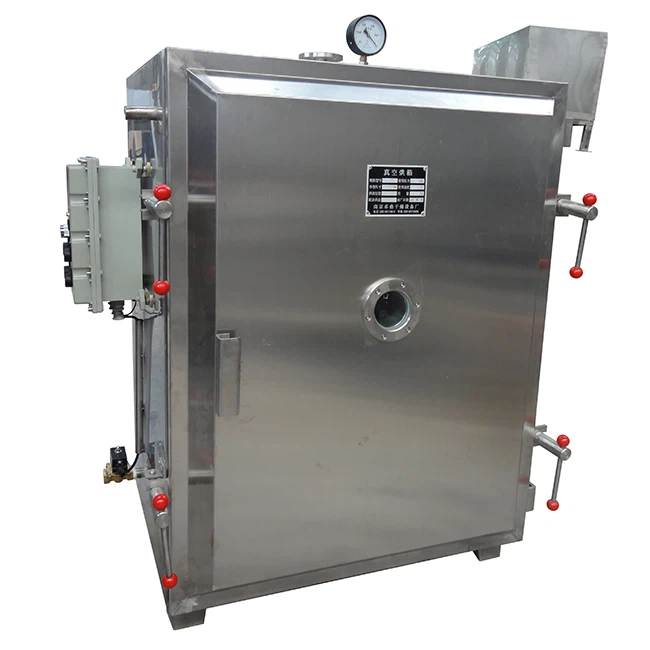
- Explosion - proof Vacuum Box: An explosion - proof vacuum box is used for processes that require a vacuum environment. It typically has different energy requirements compared to an explosion - proof oven. Vacuum boxes need to maintain a vacuum, which requires additional energy for the vacuum pump. You can find more details about Explosion - proof Vacuum Box on our website.
Tips to Reduce Energy Consumption
Here are some tips to help you reduce the energy consumption of your explosion - proof oven:
- Optimize Temperature Settings: As mentioned earlier, use the lowest temperature possible for your process without sacrificing product quality.
- Improve Insulation: If your oven has poor insulation, consider adding additional insulation or upgrading to a better - insulated model.
- Schedule Usage: Plan your production schedules to make the most of each oven cycle and reduce cold starts.
- Maintain the Oven: Regular maintenance, such as cleaning the heating elements and checking the seals, can ensure that the oven operates efficiently.
In conclusion, the energy consumption of an explosion - proof oven depends on several factors, including size, temperature settings, insulation, heating method, and usage frequency. By understanding these factors and taking steps to optimize energy usage, you can reduce your operational costs and make your business more sustainable.
If you're in the market for an explosion - proof oven or want to learn more about how to reduce energy consumption in your industrial heating processes, don't hesitate to reach out. We're here to help you find the best solution for your needs and guide you through the purchasing process. Let's work together to make your operations more efficient and cost - effective.
References
- Industrial Oven Handbook: A Comprehensive Guide to Oven Technology and Applications
- Energy Efficiency in Industrial Heating Processes: Best Practices and Case Studies