

Hey there! As a supplier of mesh belt dryers, I've seen firsthand how corrosion can be a real pain in the neck for these machines. Corrosion not only shortens the lifespan of the dryer but also affects its performance and efficiency. In this blog post, I'm gonna share some tips on how to improve the corrosion - resistance of a mesh belt dryer.
Understanding the Causes of Corrosion
Before we dive into the solutions, it's important to understand what causes corrosion in mesh belt dryers. Corrosion is basically a chemical reaction between the metal components of the dryer and the environment. In a dryer, there are several factors that can contribute to corrosion:
- Moisture: Water is one of the main culprits. If the drying process involves materials with high moisture content or if there's humidity in the surrounding air, it can create a wet environment that promotes corrosion.
- Chemicals: Some materials being dried may contain corrosive chemicals. For example, if you're drying products that have acidic or alkaline properties, they can react with the metal of the dryer.
- Temperature: High temperatures can accelerate the corrosion process. When the dryer operates at elevated temperatures, the chemical reactions that cause corrosion can happen more quickly.
Choosing the Right Materials
One of the most effective ways to improve corrosion - resistance is to start with the right materials.
- Stainless Steel: This is a go - to material for many parts of a mesh belt dryer. Stainless steel contains chromium, which forms a thin, protective oxide layer on the surface. This layer acts as a barrier, preventing oxygen and moisture from reaching the metal underneath. There are different grades of stainless steel, and for a mesh belt dryer, grades like 304 and 316 are commonly used. Grade 316 has a higher molybdenum content, which makes it more resistant to corrosion in harsh environments, especially those with exposure to salt or chemicals.
- Coated Metals: Another option is to use coated metals. For example, galvanized steel has a zinc coating that provides sacrificial protection. The zinc corrodes first, protecting the underlying steel. There are also other types of coatings available, such as epoxy coatings, which can provide a durable and corrosion - resistant barrier.
Surface Treatments
In addition to choosing the right materials, surface treatments can further enhance corrosion - resistance.
- Passivation: This is a chemical process used mainly on stainless steel. Passivation removes free iron and other contaminants from the surface of the stainless steel, allowing the protective oxide layer to form more effectively. It's a relatively simple and cost - effective way to improve the corrosion resistance of stainless steel components in the dryer.
- Electroplating: Electroplating involves depositing a thin layer of metal onto the surface of the dryer parts. For example, nickel plating can provide a smooth and corrosion - resistant surface. It can also improve the wear resistance of the parts.
Design Considerations
The design of the mesh belt dryer can also play a crucial role in preventing corrosion.
- Drainage: Make sure the dryer is designed with proper drainage. Any accumulated water should be able to drain away easily. This can prevent water from pooling on the metal surfaces, reducing the risk of corrosion. For example, the mesh belt should be designed in a way that allows water to drip through and be collected at the bottom, where it can be drained out.
- Ventilation: Good ventilation is essential. It helps to remove moisture and corrosive gases from the dryer. By maintaining a dry and well - ventilated environment inside the dryer, you can slow down the corrosion process. You can install vents and fans to ensure proper air circulation.
Maintenance and Cleaning
Regular maintenance and cleaning are key to keeping the corrosion at bay.
- Cleaning Schedule: Establish a regular cleaning schedule. Remove any debris, dirt, or dried materials from the dryer. These substances can trap moisture and chemicals, accelerating corrosion. Use appropriate cleaning agents that are non - corrosive to the dryer materials.
- Inspection: Regularly inspect the dryer for signs of corrosion. Look for rust spots, discoloration, or any signs of damage to the protective coatings. If you catch corrosion early, you can take steps to address it before it becomes a major problem. For example, if you notice a small area of rust on a stainless steel part, you can use a mild abrasive to remove it and then re - passivate the area.
Comparing with Other Industrial Heating Equipment
It's also interesting to compare the corrosion - resistance of mesh belt dryers with other industrial heating equipment like Hot Air Circulation Oven, Electrothermal Blast Drying Oven, and Steam Heating Oven.
- Hot Air Circulation Oven: These ovens also face corrosion challenges, especially if they are used in high - humidity environments. However, their enclosed design can sometimes make it easier to control the internal environment. By using proper insulation and ventilation, the risk of corrosion can be reduced.
- Electrothermal Blast Drying Oven: Similar to mesh belt dryers, they need to deal with high temperatures and potential moisture. But since they are often used for smaller - scale drying, the design can be more focused on precise temperature control. Choosing corrosion - resistant materials for the heating elements and interior components is crucial.
- Steam Heating Oven: Steam can be a major cause of corrosion in these ovens. Since steam contains water and can carry chemicals, the materials used in steam heating ovens need to be highly resistant to corrosion. Stainless steel and special coatings are commonly used to protect the oven from the corrosive effects of steam.
Conclusion
Improving the corrosion - resistance of a mesh belt dryer is a multi - faceted approach. It involves choosing the right materials, applying appropriate surface treatments, considering the design, and maintaining regular cleaning and inspection. By taking these steps, you can significantly extend the lifespan of the dryer, improve its performance, and save on replacement and repair costs.
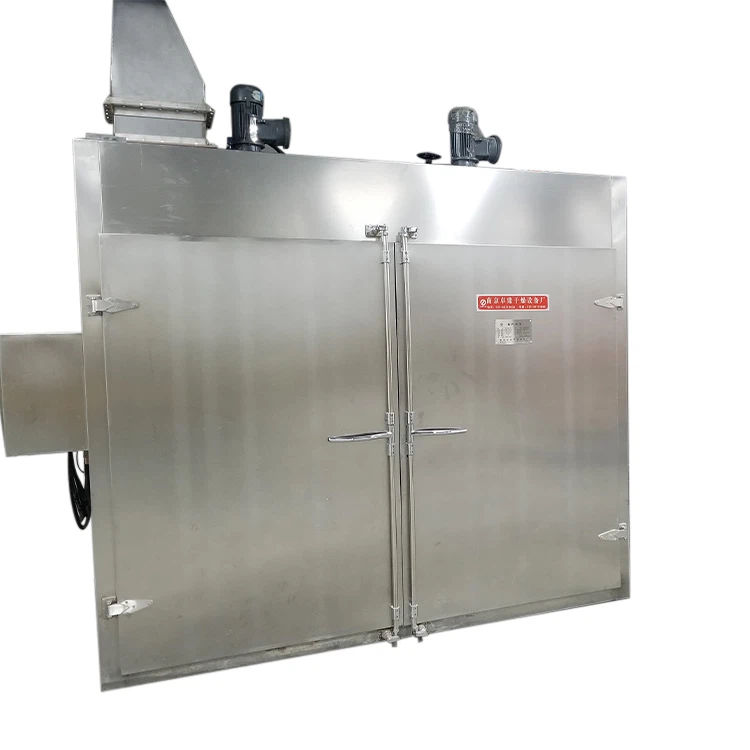

If you're in the market for a mesh belt dryer or looking to improve the corrosion - resistance of your existing one, I'd love to have a chat. We can discuss your specific needs and come up with the best solutions for you. Don't hesitate to reach out for a friendly chat and potential procurement negotiation.
References
- "Corrosion Prevention in Industrial Equipment" - A handbook on industrial corrosion management.
- "Materials Science for Engineers" - A textbook that covers the properties and applications of different metals and alloys.