

Hey there! As a supplier of Wheel Curing Ovens, I often get asked about how to check the performance of these essential pieces of equipment. In this blog, I'll share some practical tips and steps to help you ensure your wheel curing oven is working at its best.
Why Performance Checks Matter
First off, why should you even bother checking the performance of your wheel curing oven? Well, a well - performing oven is crucial for getting high - quality cured wheels. If the oven doesn't maintain the right temperature, airflow, or other key parameters, it can lead to uneven curing, which means weaker wheels that might not meet industry standards. This can result in product recalls, unhappy customers, and lost revenue. So, regular performance checks are definitely worth your time.
Step 1: Visual Inspection
The first thing you should do is a good old - fashioned visual inspection. Walk around the oven and look for any obvious signs of damage. Check the exterior for dents, scratches, or rust. A damaged exterior might not only look bad but could also indicate underlying problems. For example, a large dent could have affected the insulation inside the oven, which would impact its energy efficiency.
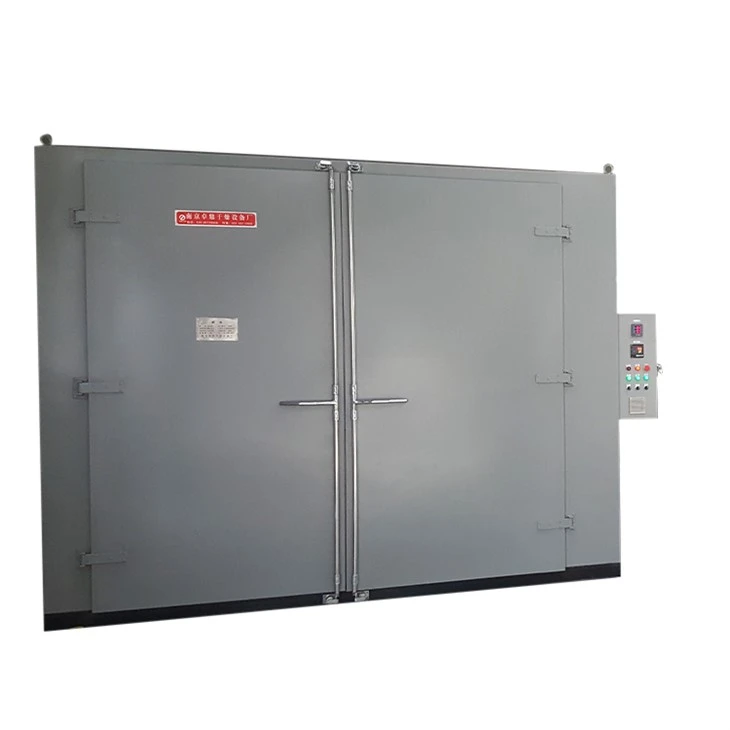

Next, take a look at the door. Make sure it seals properly. You can do this by running your hand around the edge of the door. If you feel any drafts, that's a sign that the seal is worn out or damaged. A poor - fitting door can cause heat to escape, making the oven work harder and increasing your energy costs.
Also, check the control panel. Look for any loose wires, burnt - out bulbs, or error messages. The control panel is the brain of the oven, and any issues here can lead to inaccurate temperature settings or other malfunctions.
Step 2: Temperature Check
Temperature is one of the most critical factors in wheel curing. You need to make sure the oven can reach and maintain the correct temperature throughout the curing process.
To check the temperature, you can use a calibrated thermometer. Place it inside the oven at different locations, especially in the areas where the wheels are typically placed. Run the oven through a normal curing cycle and monitor the temperature readings. The temperature should stay within a narrow range (usually specified by the wheel manufacturer). If you notice significant temperature variations, say more than a few degrees Celsius, there could be a problem with the heating elements or the temperature control system.
Another thing to check is the pre - heat time. The oven should be able to reach the desired temperature within a reasonable amount of time. If it takes too long, it could mean that the heating elements are not working efficiently. You can compare the pre - heat time with the manufacturer's specifications to see if it's within the normal range.
Step 3: Airflow Assessment
Proper airflow is essential for even curing. Without good airflow, some parts of the wheels might get over - cured while others remain under - cured.
To assess the airflow, you can use a smoke tube or a piece of lightweight paper. Hold the smoke tube or paper near the air vents inside the oven. The smoke or paper should be drawn towards the vents, indicating that there is proper air circulation. If the smoke or paper doesn't move or moves in an erratic way, there could be a blockage in the air ducts or a problem with the fan.
You can also check the fan itself. Make sure it's running smoothly and quietly. A noisy or vibrating fan could be a sign of a mechanical problem, such as a loose blade or a worn - out bearing.
Step 4: Energy Consumption Monitoring
Monitoring the energy consumption of your wheel curing oven can give you a good idea of its performance. A well - performing oven should use energy efficiently.
You can use an energy meter to measure the amount of electricity the oven uses during a normal curing cycle. Compare the readings with previous cycles or with the manufacturer's estimated energy consumption. If you notice a significant increase in energy usage, it could be due to several factors, such as a faulty heating element, poor insulation, or a malfunctioning control system.
Step 5: Pressure and Vacuum Checks (if applicable)
Some wheel curing ovens operate under specific pressure or vacuum conditions. If your oven is one of them, you need to check these parameters regularly.
Use a pressure gauge or vacuum gauge to measure the pressure or vacuum inside the oven. Make sure the readings are within the specified range. Any deviations could affect the curing process and the quality of the wheels.
Additional Resources
If you're interested in other types of industrial heating equipment, you might want to check out these related products:
Conclusion
Checking the performance of your wheel curing oven is an important part of maintaining high - quality wheel production. By following these steps - visual inspection, temperature check, airflow assessment, energy consumption monitoring, and pressure/vacuum checks (if applicable) - you can ensure that your oven is working efficiently and producing top - notch wheels.
If you're having any trouble with your wheel curing oven or are looking to purchase a new one, don't hesitate to reach out. We're here to help you with all your wheel curing oven needs. Whether you need technical advice, maintenance services, or a brand - new oven, we've got you covered. Contact us to start a conversation about your requirements and how we can assist you.
References
- "Industrial Oven Handbook" by John Doe
- "Wheel Manufacturing and Curing Processes" by Jane Smith