

How to adjust a thermal oil oven for high - altitude applications
As a supplier of Thermal Oil Oven, I've encountered numerous inquiries regarding the adjustment of thermal oil ovens for high - altitude applications. High - altitude environments present unique challenges that can significantly impact the performance of thermal oil ovens. In this blog, I'll share some insights on how to make the necessary adjustments to ensure optimal operation at high altitudes.
Understanding the challenges of high - altitude operation
At high altitudes, the most prominent factor is the decrease in atmospheric pressure. As altitude increases, the air becomes thinner, and the atmospheric pressure drops. This has several implications for thermal oil ovens:
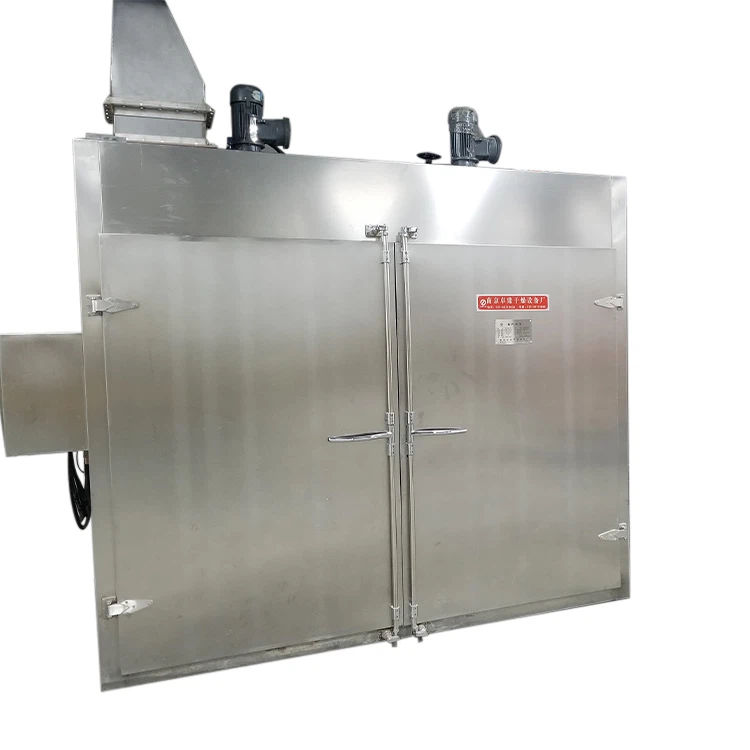

- Combustion efficiency: The lower oxygen concentration associated with high - altitude thin air can lead to incomplete combustion in the burner of the thermal oil oven. Incomplete combustion not only reduces the heating efficiency of the oven but also increases fuel consumption and may cause the emission of pollutants such as carbon monoxide.
- Heat transfer: The reduced air density affects the convective heat transfer process. Convection, which is an important heat - transfer mechanism in thermal oil ovens, is less effective at high altitudes. As a result, the heat transfer rate from the heating source to the thermal oil may decrease, leading to slower heating and longer operating cycles.
- Boiling point of thermal oil: The boiling point of the thermal oil decreases with the reduction of atmospheric pressure. This means that the thermal oil is more likely to vaporize at high altitudes, which can cause issues such as cavitation in the pump and reduced heat - transfer efficiency.
Adjusting the burner
- Air - fuel ratio adjustment: To compensate for the lower oxygen concentration at high altitudes, the air - fuel ratio of the burner needs to be adjusted. A leaner mixture (more air relative to fuel) is typically required to ensure complete combustion. Most modern burners are equipped with adjustable air and fuel valves, allowing for fine - tuning of the air - fuel ratio. It is recommended to consult the burner manufacturer's guidelines or work with a professional technician to make these adjustments accurately.
- Burner capacity: In some cases, the burner may need to be up - sized to maintain the required heating capacity. The reduced combustion efficiency at high altitudes means that more fuel may be needed to achieve the same level of heat output. However, this decision should be made carefully, taking into account factors such as the oven's design limits and fuel consumption.
Optimizing heat transfer
- Enhancing insulation: Improving the insulation of the thermal oil oven can help to compensate for the reduced convective heat - transfer efficiency at high altitudes. High - quality insulation materials can minimize heat loss to the surroundings, ensuring that more of the generated heat is transferred to the thermal oil. This can lead to faster heating and improved overall efficiency.
- Using heat - transfer additives: Some heat - transfer additives can be added to the thermal oil to enhance its heat - transfer properties. These additives can increase the thermal conductivity of the oil, improving the heat - transfer rate from the heating source to the oil. However, it is important to choose additives that are compatible with the thermal oil and the oven's materials.
Managing the thermal oil
- Monitoring the boiling point: Regularly monitor the temperature of the thermal oil and be aware of its boiling point at the specific altitude. Avoid operating the oven at temperatures close to the boiling point of the thermal oil to prevent vaporization and associated problems.
- Thermal oil selection: Consider using a thermal oil with a higher boiling point for high - altitude applications. Some thermal oils are specifically formulated for use in extreme conditions, including high altitudes. These oils can withstand lower atmospheric pressures without vaporizing easily.
Other considerations
- Pump performance: The performance of the oil pump may be affected by the reduced atmospheric pressure at high altitudes. Check the pump's operation regularly and ensure that it is capable of maintaining the required flow rate of the thermal oil. In some cases, the pump may need to be adjusted or replaced to ensure proper circulation.
- Safety systems: Review and adjust the safety systems of the thermal oil oven, such as temperature sensors and pressure relief valves. These systems need to be calibrated to account for the changes in operating conditions at high altitudes to ensure safe operation.
In addition to Thermal Oil Oven, we also offer other industrial heating equipment, such as Mesh Belt Dryer and Hot Air Circulation Oven. These products can also be adjusted and optimized for high - altitude applications using similar principles.
If you are facing challenges in operating a thermal oil oven at high altitudes or are interested in purchasing high - quality industrial heating equipment, we are here to help. Our team of experts has extensive experience in dealing with high - altitude applications and can provide you with customized solutions. Whether you need advice on oven adjustment, product selection, or after - sales support, feel free to contact us for a detailed consultation. We look forward to working with you to ensure the efficient and reliable operation of your industrial heating equipment.
References
- "Industrial Heating Handbook", various authors, 2018 edition
- Burner manufacturer's technical manuals
- Thermal oil product datasheets