

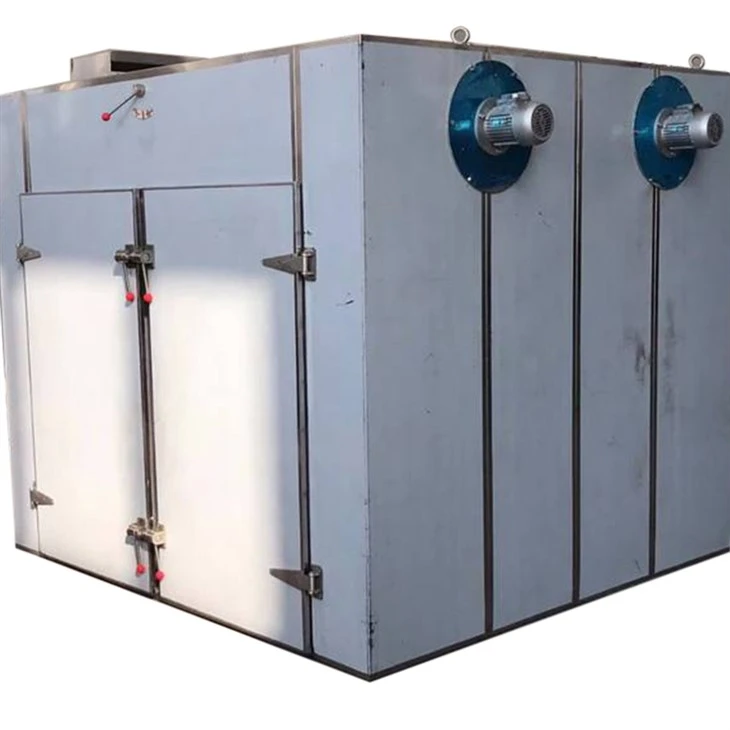
As a supplier of steam heating ovens, I've witnessed firsthand the transformative impact these appliances have on the culinary world. One of the most common concerns among chefs and home cooks alike is how to prevent food from drying out during the cooking process. In this blog post, I'll delve into the science behind steam heating ovens and explain how they effectively tackle this issue.

The Science of Steam in Cooking
To understand how steam heating ovens prevent food from drying out, it's essential to grasp the basic principles of steam and its role in cooking. Steam is the gaseous state of water, and it contains a significant amount of latent heat energy. When steam comes into contact with food, it condenses on the surface, releasing this latent heat and transferring it to the food. This process not only helps to cook the food more evenly but also keeps it moist.
In a traditional dry - heat oven, the heat is transferred primarily through convection and radiation. As the hot air circulates around the food, it draws moisture out of the food, causing it to dry. This can lead to overcooked exteriors and undercooked interiors, especially in larger cuts of meat or dense foods.
In contrast, a steam heating oven introduces steam into the cooking chamber. The steam acts as a barrier between the hot air and the food, reducing the rate at which moisture is lost from the food. Additionally, the steam provides a more gentle and even heat source, allowing the food to cook from the inside out without sacrificing moisture.
Key Features of Steam Heating Ovens that Prevent Drying
Precise Steam Control
One of the hallmarks of a high - quality steam heating oven is its ability to control the amount of steam introduced into the cooking chamber. Our steam heating ovens are equipped with advanced sensors and control systems that allow users to adjust the steam level according to the type of food being cooked. For example, when baking bread, a higher steam level at the beginning of the baking process helps to create a crispy crust while keeping the interior soft and moist. On the other hand, when roasting meat, a lower steam level can be used to enhance the flavor and texture without making the meat too soggy.
Humidity Retention
Steam heating ovens are designed to retain humidity within the cooking chamber. The sealed design of the oven prevents steam from escaping, ensuring that the food remains surrounded by a moist environment throughout the cooking process. This is particularly important for long - cooking recipes, such as slow - roasted meats or braised vegetables, where maintaining moisture is crucial for achieving the desired tenderness and flavor.
Even Heat Distribution
In addition to steam, proper heat distribution is essential for preventing food from drying out. Our steam heating ovens feature multiple heating elements and fans that work together to circulate the hot air and steam evenly throughout the cooking chamber. This ensures that all parts of the food are cooked at the same rate, reducing the risk of overcooking in some areas and undercooking in others.
Applications in Different Types of Cooking
Baking
In the world of baking, a steam heating oven is a game - changer. When baking pastries, cakes, and bread, the initial burst of steam helps to activate the yeast, create a crispy crust, and prevent the dough from drying out too quickly. For example, when making baguettes, the steam causes the dough to expand rapidly, resulting in a light and airy interior with a crackling crust.
Roasting
Roasting meats in a steam heating oven can significantly improve the quality of the final product. The steam helps to keep the meat moist and tender, while also promoting the Maillard reaction, which is responsible for the delicious browned crust on roasted meats. Whether it's a succulent turkey for Thanksgiving or a prime rib roast for a special occasion, our steam heating ovens can deliver restaurant - quality results at home.
Steaming
Of course, steam heating ovens are also excellent for traditional steaming. Steaming is a healthy cooking method that preserves the nutrients and natural flavors of vegetables, fish, and other foods. Our ovens can steam food quickly and evenly, ensuring that it retains its moisture and texture.
Comparing with Other Oven Types
Explosion - proof Steam Oven
For industrial applications where safety is a top priority, our Explosion - proof Steam Oven offers a reliable solution. These ovens are designed to prevent the risk of explosions in hazardous environments, such as chemical processing plants or laboratories. The steam function in these ovens also helps to prevent food or materials from drying out, just like in a regular steam heating oven, while meeting strict safety standards.
Manual Trolley Oven
The Manual Trolley Oven is a versatile option for both commercial and industrial settings. While it may not have the same level of steam control as a dedicated steam heating oven, it can still be used in combination with steam injection systems to add moisture to the cooking process. This helps to prevent food from drying out, especially when cooking large batches of food.
Electric Trolley Oven
Our Electric Trolley Oven is another popular choice. It can be equipped with steam - generating capabilities, allowing for a more controlled and moist cooking environment. The electric heating elements provide a consistent heat source, and when combined with steam, they can effectively prevent food from drying out during the cooking process.
Conclusion
In conclusion, steam heating ovens are an excellent solution for preventing food from drying out. Through precise steam control, humidity retention, and even heat distribution, these ovens offer a more efficient and effective way to cook a wide variety of foods. Whether you're a professional chef looking to elevate your culinary creations or a home cook who wants to make delicious and moist meals, our steam heating ovens are the perfect choice.
If you're interested in learning more about our steam heating ovens or are considering a purchase for your commercial kitchen or home, we encourage you to reach out to us for a detailed discussion. Our team of experts is ready to assist you in finding the right oven for your specific needs and to provide you with all the information you need to make an informed decision.
References
- "The Science of Cooking" by Harold McGee
- "Professional Baking" by Wayne Gisslen
- Industry research reports on steam heating ovens and cooking technology.