

Hey there! I'm part of an industrial drying oven supplier crew, and I'm super stoked to dive into the nitty - gritty of dust collection requirements for industrial drying ovens.
Before we jump into the details, let's understand why dust collection in industrial drying ovens is such a big deal. Industrial drying ovens, like Double Cone Vacuum Dryer and Curing Drying Oven, are used in a ton of industries - from food processing to electronics manufacturing. As they work, they generate dust, and that dust can be a real pain in the neck if not properly managed.
First off, dust can mess with the quality of the products being dried. In the food industry, for example, any foreign dust particles in a drying oven can contaminate the food, making it unsafe for consumption. In electronics manufacturing, dust can settle on delicate components, leading to malfunctions and reduced product lifespan.

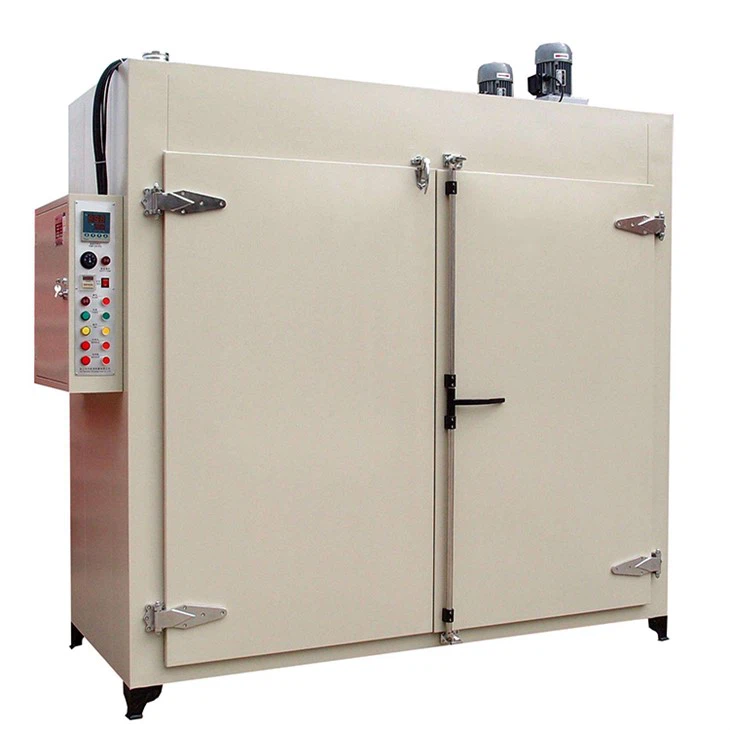
Moreover, dust poses a significant safety risk. Some types of dust are combustible. When they accumulate in large quantities in a drying oven, they can create an explosion hazard. That's a scenario no one wants to deal with! And from a health perspective, inhaling dust can cause respiratory problems for the workers operating the ovens. So, having a good dust collection system isn't just nice to have; it's a must - have.
Now, let's talk about the specific requirements for dust collection.
Airflow and Filtration
One of the key aspects is the airflow within the drying oven. The oven should be designed in such a way that the airflow helps carry the dust towards the dust collection system. A well - regulated airflow ensures that dust doesn't just settle inside the oven.
The filtration part is equally important. High - efficiency particulate air (HEPA) filters are often a great choice. These filters can trap a high percentage of dust particles, even those as small as 0.3 micrometers. Different industries may have different requirements for the level of filtration. For instance, pharmaceutical manufacturing, where the products are extremely sensitive, may need more advanced filtration than a general wood - drying operation.
Dust Collection Capacity
The capacity of the dust collection system needs to match the amount of dust generated by the drying oven. If you're using a Transformer Oven in a large - scale manufacturing plant, it's likely to produce a significant amount of dust. In such a case, a small - scale dust collection unit won't cut it. You need to calculate the expected dust load based on the type of material being dried, the volume of the material, and the drying process.
Maintenance and Monitoring
A dust collection system is only as good as its maintenance. Regularly cleaning the filters and checking the overall system for any blockages or malfunctions is crucial. You should also have a system in place to monitor the performance of the dust collection. This could involve sensors that detect the pressure drop across the filters. A significant increase in pressure drop may indicate that the filters are clogged and need replacement.
Compliance with Regulations
Different regions have different regulations regarding dust collection in industrial settings. For example, in some areas, there are strict limits on the amount of dust that can be released into the environment. As an industrial drying oven supplier, we make sure to design our ovens and recommend dust collection systems that meet these regulations. This helps our customers avoid any legal issues and operate their businesses smoothly.
Customization for Different Industries
Not all industries have the same dust collection needs. In the chemical industry, for example, the dust may be chemically reactive, so the dust collection system needs to be made of materials that can withstand these reactions. In the textile industry, the dust may be fibrous and can easily clog filters, so a different type of filtration mechanism may be required. That's why we offer customized dust collection solutions for different industries.
Cost - effectiveness
We understand that businesses need to balance performance with cost. When it comes to dust collection, it's important to find a solution that is effective but also doesn't break the bank. Our team of experts can help customers choose the right dust collection system based on their budget and requirements. We can recommend options like using pre - filters to extend the life of the main filters, which can save money in the long run.
Integration with the Oven
The dust collection system should be seamlessly integrated with the drying oven. This ensures efficient operation and minimizes the risk of dust leaks. We design our ovens in a way that the dust collection system fits perfectly, and we also provide installation and training services to make sure everything works as it should.
If you're in the market for an industrial drying oven and are concerned about dust collection, we're here to help. Our years of experience in the industry mean we've seen it all and can offer the best solutions for your specific needs. Whether you're looking for a Double Cone Vacuum Dryer, a Curing Drying Oven, or a Transformer Oven, we've got you covered.
Don't hesitate to reach out if you want to discuss your requirements further. We're always happy to have a chat and help you find the perfect industrial drying oven and dust collection solution.
References
- Industrial Ventilation Manual, Various Industry Publications
- Occupational Safety and Health Administration (OSHA) Guidelines on Dust Control in Industrial Settings
- Research Studies on the Impact of Dust on Product Quality in Different Industries