

As a trusted supplier of industrial drying ovens, I often encounter various inquiries from customers regarding the applications of our products. One frequently asked question is whether an industrial drying oven can be used for drying glass. In this blog post, I will delve into this topic, exploring the feasibility, considerations, and benefits of using an industrial drying oven for glass drying.
Feasibility of Using an Industrial Drying Oven for Glass Drying
The short answer is yes, an industrial drying oven can be used for drying glass. Industrial drying ovens are designed to provide a controlled environment for removing moisture from various materials, including glass. These ovens are equipped with heating elements, temperature controllers, and ventilation systems that allow for precise control of temperature, humidity, and airflow, which are essential factors in the glass drying process.
When glass is exposed to water or other liquids, it can develop water spots, streaks, or other blemishes if not dried properly. Industrial drying ovens offer a reliable solution for ensuring that glass is dried thoroughly and evenly, leaving it clean, clear, and free of any visible marks. By using an industrial drying oven, you can achieve consistent results and improve the overall quality of your glass products.
Considerations for Using an Industrial Drying Oven for Glass Drying
While industrial drying ovens can be used for drying glass, there are several important considerations to keep in mind to ensure the safety and effectiveness of the process.
Temperature Control
Glass is a sensitive material that can be easily damaged by excessive heat. Therefore, it is crucial to set the temperature of the industrial drying oven within the appropriate range for the type of glass being dried. Different types of glass have different thermal expansion coefficients, which means they expand and contract at different rates when heated or cooled. If the temperature is too high, the glass may crack or shatter due to thermal stress. On the other hand, if the temperature is too low, the drying process may take longer and may not be as effective.
As a general rule, the temperature for drying glass should be kept below the annealing point of the glass, which is the temperature at which the glass can be safely heated and cooled without causing internal stresses. For most types of glass, the annealing point ranges from 500°C to 600°C. However, it is recommended to consult the manufacturer's specifications or a glass expert to determine the exact temperature range for your specific type of glass.
Airflow and Ventilation
Proper airflow and ventilation are essential for ensuring that the glass is dried evenly and efficiently. Industrial drying ovens are equipped with fans or blowers that circulate hot air throughout the oven chamber, helping to remove moisture from the glass surface. The airflow should be directed evenly across the glass to prevent the formation of hot spots or areas of stagnant air, which can lead to uneven drying or damage to the glass.
In addition to airflow, ventilation is also important for removing moisture and any volatile organic compounds (VOCs) that may be released during the drying process. Most industrial drying ovens are equipped with exhaust systems that allow for the safe removal of these contaminants from the oven chamber. It is important to ensure that the exhaust system is properly installed and maintained to prevent the buildup of moisture or VOCs, which can pose a health hazard to workers and may also damage the oven or the glass products.
Glass Placement and Support
The way the glass is placed and supported in the industrial drying oven can also affect the drying process and the quality of the final product. It is important to ensure that the glass is placed on a flat, stable surface that is compatible with the temperature and airflow requirements of the oven. Avoid placing the glass directly on the heating elements or other hot surfaces, as this can cause uneven heating and may damage the glass.
If the glass is large or heavy, it may be necessary to use a support structure or rack to hold the glass in place during the drying process. The support structure should be designed to distribute the weight of the glass evenly and prevent it from shifting or falling during the drying process. It is also important to ensure that the support structure is made of a material that is compatible with the temperature and airflow requirements of the oven and does not leave any marks or scratches on the glass.
Cleaning and Maintenance
Regular cleaning and maintenance of the industrial drying oven are essential for ensuring its safe and effective operation. Over time, the oven chamber may accumulate dirt, dust, and other contaminants, which can affect the airflow and temperature distribution in the oven and may also pose a health hazard to workers. It is recommended to clean the oven chamber regularly using a mild detergent and a soft cloth or brush. Avoid using abrasive cleaners or tools, as these can damage the oven chamber or the heating elements.
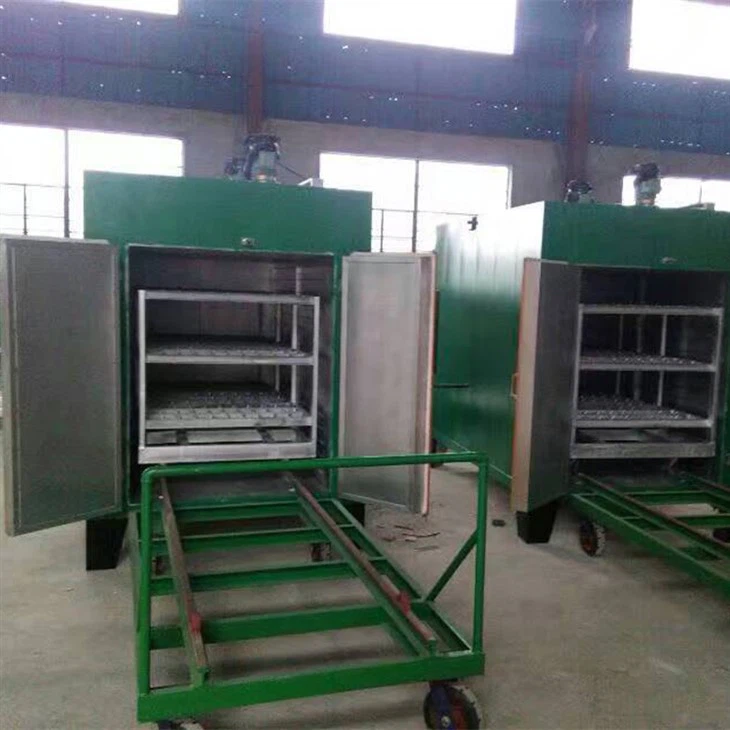

In addition to cleaning the oven chamber, it is also important to maintain the heating elements, temperature controllers, fans, and other components of the oven. Check the heating elements regularly for signs of damage or wear and replace them if necessary. Calibrate the temperature controllers periodically to ensure that they are accurate and reliable. Clean the fans and other ventilation components to remove any dirt or debris that may be blocking the airflow.
Benefits of Using an Industrial Drying Oven for Glass Drying
Using an industrial drying oven for glass drying offers several benefits over traditional drying methods, such as air drying or using a towel.
Consistent Results
Industrial drying ovens provide a controlled environment for drying glass, which ensures that the glass is dried thoroughly and evenly every time. This helps to eliminate the variability and inconsistencies that can occur with traditional drying methods, resulting in a higher quality and more consistent final product.
Improved Efficiency
Industrial drying ovens can dry glass much faster than traditional drying methods, which can help to improve productivity and reduce labor costs. By using an industrial drying oven, you can dry multiple pieces of glass at the same time, which can significantly increase the throughput of your glass processing operation.
Reduced Risk of Damage
Traditional drying methods, such as air drying or using a towel, can increase the risk of damage to the glass, such as scratches, water spots, or other blemishes. Industrial drying ovens provide a gentle and controlled drying environment that minimizes the risk of damage to the glass, resulting in a higher quality and more visually appealing final product.
Versatility
Industrial drying ovens can be used for drying a wide variety of glass products, including flat glass, curved glass, tempered glass, and laminated glass. They can also be used for drying glass products of different sizes and shapes, making them a versatile and cost-effective solution for glass processing operations.
Our Industrial Drying Oven Products
At our company, we offer a wide range of industrial drying ovens that are suitable for drying glass and other materials. Our industrial drying ovens are designed to provide a controlled environment for removing moisture from various materials, including glass, ceramics, metals, and plastics. They are equipped with advanced features and technologies, such as temperature controllers, airflow systems, and ventilation systems, that allow for precise control of temperature, humidity, and airflow, ensuring consistent and reliable results.
One of our popular products is the Industrial Benchtop Oven, which is a compact and versatile oven that is ideal for small to medium-sized glass processing operations. This oven is equipped with a digital temperature controller, a fan-forced airflow system, and a stainless steel interior, which makes it easy to clean and maintain. It also has a temperature range of up to 300°C, which is suitable for drying most types of glass.
Another popular product is the Ton Barrel Oven, which is a large-capacity oven that is designed for drying large quantities of glass or other materials. This oven is equipped with a powerful heating system, a high-capacity fan-forced airflow system, and a programmable temperature controller, which allows for precise control of the drying process. It also has a temperature range of up to 500°C, which is suitable for drying high-temperature glass products.
In addition to our industrial drying ovens, we also offer a Water Bath for Oven, which is a useful accessory for drying glass or other materials that require a more gentle and controlled drying environment. This water bath is designed to provide a constant temperature and humidity environment, which helps to prevent the glass from cracking or shattering due to thermal stress. It is also easy to install and use, and it can be used with most types of industrial drying ovens.
Conclusion
In conclusion, an industrial drying oven can be used for drying glass, but it is important to consider the temperature control, airflow and ventilation, glass placement and support, and cleaning and maintenance requirements of the oven to ensure the safety and effectiveness of the process. By using an industrial drying oven, you can achieve consistent results, improve the efficiency of your glass processing operation, reduce the risk of damage to the glass, and increase the versatility of your drying capabilities.
If you are interested in learning more about our industrial drying ovens or other industrial heating equipment, please contact us today. Our team of experts will be happy to assist you in selecting the right oven for your specific needs and provide you with all the information and support you need to ensure the success of your glass processing operation.
References
- ASTM International. (2019). Standard Terminology Relating to Glass. ASTM C162 - 19.
- Glass Association of North America. (2020). Glass Technical Manual.
- Schott AG. (2021). Technical Information on Glass.