

As a supplier of thermal oil ovens, I often get asked if these ovens can be used in a continuous production process. Well, the short answer is yes! But let's dive deeper into this topic and explore how thermal oil ovens fit into continuous production scenarios.

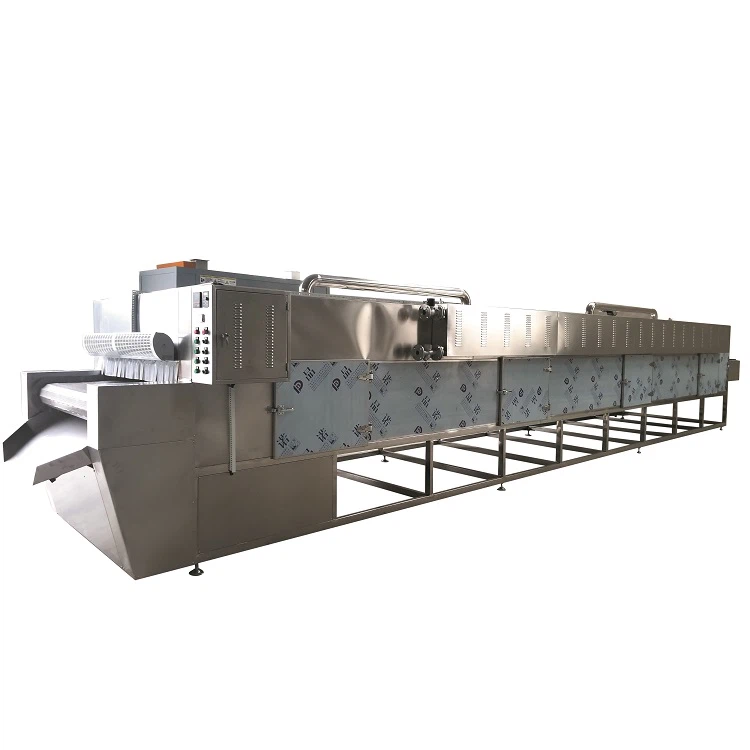
How Thermal Oil Ovens Work
First off, let's quickly go over what a thermal oil oven is. A thermal oil oven uses thermal oil as a heat - transfer medium. The thermal oil is heated in the oven and then circulated through a system to transfer heat to the process that needs it. This method of heat transfer is highly efficient because thermal oil can carry a large amount of heat at relatively low pressures compared to steam.
In a continuous production process, consistency is key. You need to maintain a stable temperature over long periods without any major fluctuations. Thermal oil ovens are great at this. They can provide a constant and uniform heat source, which is essential for many industrial processes. For example, in the production of plastics, a consistent temperature is required to ensure the proper melting and shaping of the plastic material. If the temperature varies too much, the quality of the final product can be severely affected.
Advantages in Continuous Production
One of the biggest advantages of using a thermal oil oven in continuous production is its energy efficiency. Since thermal oil can retain heat well, less energy is needed to maintain the desired temperature. This means lower energy costs in the long run, which is a huge plus for any manufacturing business.
Another advantage is the flexibility of thermal oil ovens. They can be easily integrated into different types of production lines. Whether you're running a small - scale operation or a large - scale industrial plant, a thermal oil oven can be customized to meet your specific needs. You can adjust the temperature, flow rate of the thermal oil, and other parameters according to the requirements of your production process.
Real - World Applications
Let's take a look at some real - world applications where thermal oil ovens are used in continuous production. In the food industry, thermal oil ovens are used for baking and drying processes. For instance, in a large - scale bakery, a thermal oil oven can be used to bake bread continuously. The consistent heat ensures that each loaf of bread is baked evenly, resulting in a high - quality product.
In the chemical industry, thermal oil ovens are used for various processes such as distillation and polymerization. These processes require precise temperature control, and thermal oil ovens can provide just that. They can maintain a stable temperature for hours or even days on end, which is crucial for the successful completion of these chemical reactions.
Comparing with Other Ovens
Now, let's compare thermal oil ovens with other types of ovens commonly used in industrial settings. For example, Tunnel Drying Oven is another popular option for continuous production. Tunnel drying ovens are great for drying products as they move through a long tunnel - like chamber. However, they may not be as efficient in terms of heat transfer as thermal oil ovens. Thermal oil ovens can transfer heat more directly to the product, resulting in faster and more uniform heating.
Mesh Belt Tunnel Oven is also used in continuous production, especially for products that need to be conveyed through the oven on a mesh belt. While mesh belt tunnel ovens are good for handling large volumes of products, they may have limitations in terms of temperature control. Thermal oil ovens can offer more precise temperature control, which is beneficial for processes that are sensitive to temperature changes.
Circulation Oven is another alternative. Circulation ovens use forced air circulation to distribute heat. While they can provide relatively uniform heating, they may not be as energy - efficient as thermal oil ovens. The heat - transfer mechanism in thermal oil ovens is more direct, which means less energy is wasted.
Challenges and Solutions
Of course, using a thermal oil oven in continuous production also comes with some challenges. One of the main challenges is the maintenance of the thermal oil. Over time, the thermal oil can degrade, which can affect its heat - transfer properties. To address this issue, regular oil analysis and replacement are necessary. You should also have a proper filtration system in place to remove any contaminants from the thermal oil.
Another challenge is the initial cost of setting up a thermal oil oven system. It may require a significant investment compared to some other types of ovens. However, when you consider the long - term energy savings and the high - quality output, the investment can pay off in the end.
Making the Right Decision
If you're considering using a thermal oil oven in your continuous production process, there are a few things you need to keep in mind. First, assess your production requirements. What is the temperature range you need to maintain? How much heat do you need to transfer? These factors will help you determine the size and capacity of the thermal oil oven you need.
Second, think about the space available in your production facility. Thermal oil ovens come in different sizes, and you need to make sure you have enough room to install and operate the oven safely.
Finally, consider the long - term costs. While the initial investment may be high, the energy savings and the improved product quality can result in significant cost savings over time.
Conclusion
In conclusion, a thermal oil oven can definitely be used in a continuous production process. It offers many advantages such as energy efficiency, precise temperature control, and flexibility. While there are some challenges, with proper maintenance and planning, these challenges can be overcome.
If you're interested in learning more about how a thermal oil oven can benefit your continuous production process or if you're looking to purchase one, feel free to reach out. We're here to help you make the right decision for your business.
References
- "Industrial Oven Handbook" - A comprehensive guide on different types of industrial ovens and their applications.
- "Thermal Oil Technology" - A technical resource on the properties and uses of thermal oil in industrial heating systems.