

When it comes to the printing industry, the curing process of inks is a crucial step that directly affects the quality and durability of printed products. As a leading supplier of Curing Drying Ovens, I've witnessed firsthand the importance of understanding the appropriate curing temperatures for different types of inks. In this blog, I'll delve into the specific curing temperature requirements for various ink types and how our ovens can meet these needs effectively.
Solvent - Based Inks
Solvent - based inks are widely used in the printing industry due to their excellent adhesion and color vibrancy. These inks contain solvents that evaporate during the drying process, leaving the pigment on the substrate. The curing temperature for solvent - based inks typically ranges from 60°C to 120°C.
At lower temperatures (around 60°C - 80°C), the evaporation of solvents is relatively slow, which can be beneficial for substrates that are sensitive to heat. However, this also means a longer drying time. As the temperature increases to 80°C - 120°C, the solvent evaporation rate accelerates, reducing the overall curing time. But it's important to note that excessive heat can cause the ink to dry too quickly on the surface, trapping solvents beneath and leading to poor adhesion and a less durable print.
Our Industrial Benchtop Oven is an ideal choice for curing solvent - based inks. It offers precise temperature control, allowing you to set the temperature within the optimal range for your specific ink and substrate combination. The uniform heat distribution in the oven ensures that the inks cure evenly, resulting in high - quality prints.
Water - Based Inks
Water - based inks are becoming increasingly popular due to their environmental friendliness. They contain water as the main solvent, which evaporates during the drying process. The curing temperature for water - based inks usually falls between 40°C and 80°C.
Since water has a relatively high heat of vaporization, it takes more energy to evaporate compared to solvents in solvent - based inks. At lower temperatures (40°C - 60°C), the drying process is gentle, which is suitable for heat - sensitive substrates such as paper and some plastics. Raising the temperature to 60°C - 80°C can significantly speed up the drying process, but care must be taken not to overheat the substrate, as it may cause warping or other damage.
Our Circulation Oven is well - suited for curing water - based inks. The forced air circulation in the oven helps to remove the evaporated water quickly, promoting efficient drying. The adjustable temperature settings allow you to customize the curing process according to the requirements of your water - based inks and substrates.
UV - Cured Inks
UV - cured inks are cured by exposure to ultraviolet light rather than heat. However, in some cases, a small amount of heat may be used in combination with UV light to enhance the curing process. The typical temperature range for UV - cured inks during the optional heat - assisted step is around 30°C to 50°C.
The main advantage of UV - cured inks is their extremely fast curing speed. When exposed to UV light, the photoinitiators in the ink break down and initiate a polymerization reaction, which solidifies the ink almost instantly. The low - temperature heat treatment can help to improve the flow and leveling of the ink before UV curing, resulting in a smoother and more uniform print surface.
Our Electrical Heating Oven can be used in conjunction with UV curing systems. It can provide the gentle heat required for the pre - treatment of UV - cured inks, ensuring optimal curing results. The precise temperature control of the oven allows you to maintain the ideal temperature for the UV - ink pre - treatment process.
Epoxy Inks
Epoxy inks are known for their high - strength adhesion and chemical resistance. They are commonly used in industrial applications where durability is crucial. The curing temperature for epoxy inks typically ranges from 80°C to 150°C.
At lower temperatures within this range (80°C - 120°C), the curing process is relatively slow, allowing for better flow and leveling of the ink. This is beneficial for achieving a smooth and even finish. As the temperature rises to 120°C - 150°C, the curing reaction accelerates, resulting in a more rapid hardening of the ink. However, higher temperatures also require careful monitoring to prevent over - curing, which can lead to brittleness and reduced adhesion.
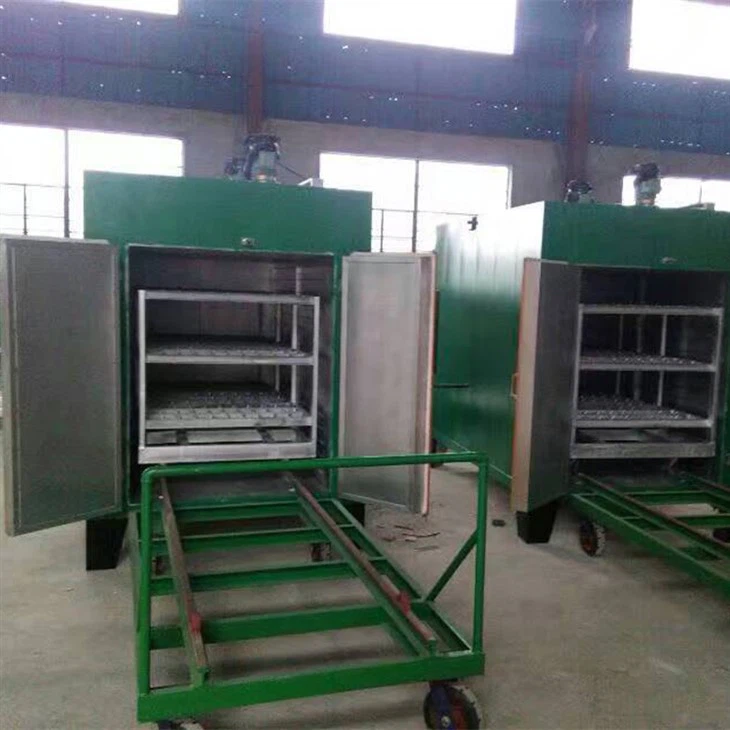
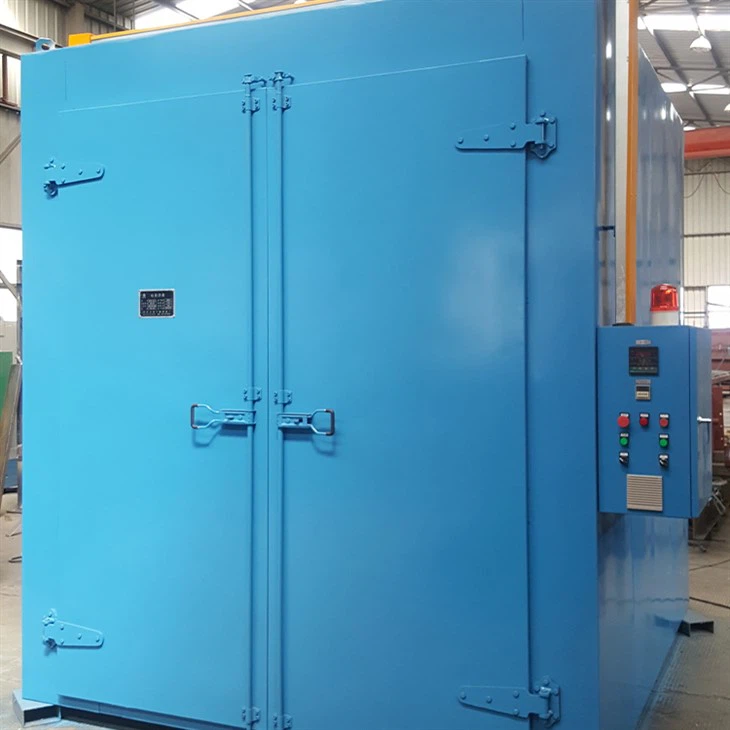
Our Curing Drying Ovens are designed to handle the curing of epoxy inks effectively. The advanced temperature control systems ensure that the oven maintains a stable temperature throughout the curing process, regardless of the set temperature within the recommended range.
Choosing the Right Oven for Ink Curing
Selecting the appropriate oven for ink curing depends on several factors, including the type of ink, the substrate material, and the production volume. Our range of ovens offers different features and capacities to meet the diverse needs of the printing industry.
For small - scale operations or laboratory testing, the Industrial Benchtop Oven is a compact and cost - effective solution. It provides precise temperature control and uniform heat distribution, making it suitable for curing various types of inks on a small scale.
For larger - scale production, the Circulation Oven offers high - efficiency drying and curing capabilities. The forced air circulation ensures rapid and even heat transfer, reducing the overall curing time and increasing productivity.
The Electrical Heating Oven is a versatile option that can be used for both heat - assisted UV curing and the curing of other types of inks. Its adjustable temperature settings and reliable performance make it a popular choice among printers.
Conclusion
Understanding the curing temperature requirements for different types of inks is essential for achieving high - quality prints. Our Curing Drying Ovens are designed to provide the precise temperature control and uniform heat distribution needed for optimal ink curing. Whether you are using solvent - based, water - based, UV - cured, or epoxy inks, our ovens can help you achieve the best results.
If you are in the market for a reliable Curing Drying Oven for your ink - curing needs, we invite you to contact us for a detailed discussion. Our team of experts is ready to assist you in selecting the right oven for your specific requirements and to provide you with all the necessary information for a successful purchase.
References
- "Handbook of Printing Inks" by R. H. Leach
- "Principles of Heat Transfer in Industrial Ovens" by J. A. Jones