

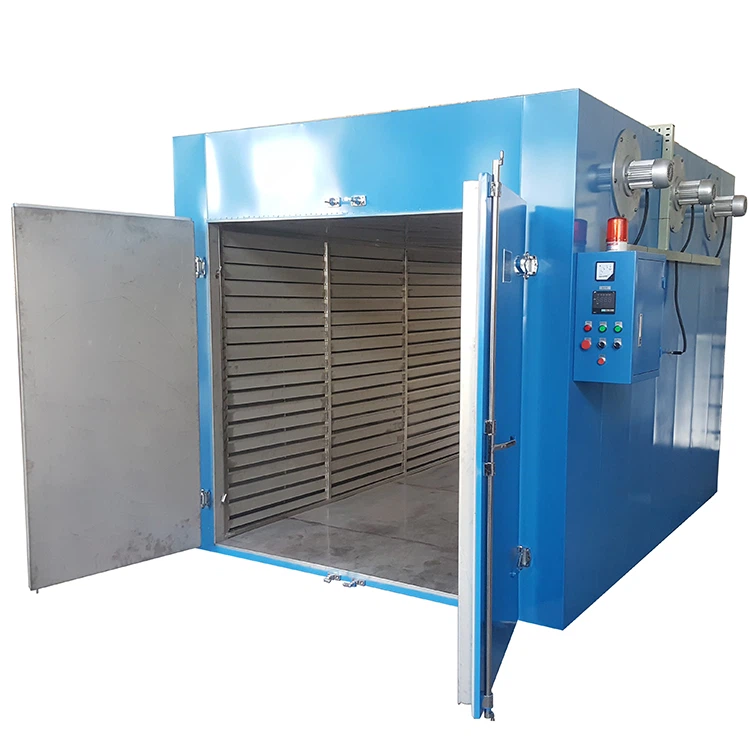
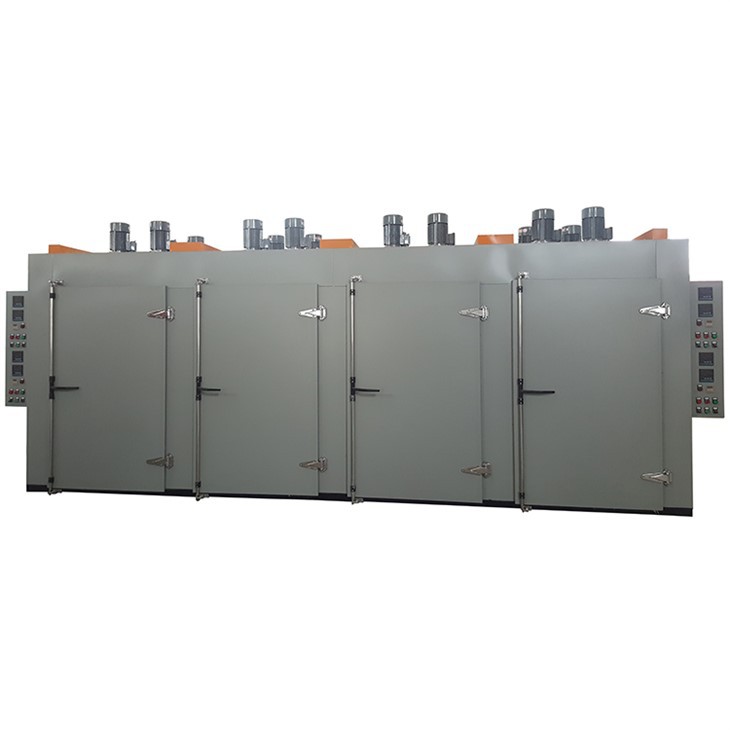
Hey there! As a supplier of Mould Preheating Ovens, I've seen firsthand how crucial safety is when operating these machines. Whether you're a seasoned pro or new to the game, following safety precautions can prevent accidents and keep your workplace running smoothly. In this blog post, I'll share some essential safety tips to keep in mind when using a Mould Preheating Oven.
Pre - operation Checks
Before you even think about turning on the oven, there are a few things you need to do. First, inspect the oven for any visible damage. Check the door seals to make sure they're intact. A broken seal can lead to heat leakage, which is not only a waste of energy but can also pose a burn risk. Look at the electrical cords for any fraying or cuts. Faulty electrical wiring can cause short - circuits and even start a fire.
Next, ensure that the oven is placed on a stable surface. It should be level and away from any flammable materials. You don't want the oven to tip over or accidentally ignite something nearby. Make sure there's enough ventilation around the oven. Proper ventilation helps to dissipate heat and prevent the build - up of harmful gases.
Personal Protective Equipment (PPE)
Wearing the right PPE is a must when operating a Mould Preheating Oven. Start with heat - resistant gloves. These will protect your hands from burns when you're loading or unloading the moulds. The gloves should fit well and cover your wrists to provide maximum protection.
Safety goggles are also essential. They shield your eyes from any flying debris or hot particles that might be ejected from the oven. And don't forget to wear appropriate clothing. Avoid loose - fitting clothes that could get caught in the oven's moving parts. Instead, opt for snug - fitting workwear made from flame - resistant materials.
Operating the Oven
When you're ready to start the oven, follow the manufacturer's instructions carefully. Set the temperature and time according to the requirements of your mould. Don't try to rush the process by setting the temperature too high. This can damage the mould and even cause the oven to malfunction.
Keep a close eye on the oven while it's in operation. Don't leave it unattended for long periods. If you notice any strange noises, smells, or smoke, turn off the oven immediately and contact a professional for inspection.
When loading and unloading the moulds, use the proper tools. Avoid using your bare hands to handle hot moulds. Use tongs or other suitable tools to grip the moulds securely. Make sure the moulds are placed evenly inside the oven to ensure uniform heating.
Maintenance and Cleaning
Regular maintenance and cleaning are key to keeping your Mould Preheating Oven safe. Follow the maintenance schedule recommended by the manufacturer. This may include tasks like lubricating moving parts, checking the heating elements, and calibrating the temperature controls.
Clean the oven regularly to remove any dirt, debris, or residue. Use a non - abrasive cleaner and a soft cloth. Avoid using harsh chemicals that could damage the oven's interior. Make sure the oven is completely cooled down before you start cleaning it.
Emergency Procedures
Even with all the precautions in place, emergencies can still happen. It's important to have an emergency plan in place. Know the location of the fire extinguisher and how to use it. In case of a fire, turn off the oven immediately and use the fire extinguisher to put out the flames.
If someone gets burned, immediately cool the affected area with cool water for at least 10 - 15 minutes. Then, seek medical attention.
Additional Oven Options
If you're in the market for different types of industrial ovens, we also offer Industrial Benchtop Oven, which are great for smaller - scale operations. They're compact and easy to use, making them a popular choice for many workshops.
Our Industrial Drying Oven is another option. These ovens are designed to remove moisture from various materials, ensuring high - quality results.
For those who need to work with high - temperature and vacuum conditions, our High Temperature Vacuum Oven is the way to go. It provides precise temperature control and a vacuum environment for specialized applications.
Conclusion
Operating a Mould Preheating Oven safely is all about being prepared and following the right procedures. By conducting pre - operation checks, wearing the appropriate PPE, following the correct operating procedures, performing regular maintenance, and having an emergency plan, you can minimize the risks and ensure a safe working environment.
If you're interested in purchasing a Mould Preheating Oven or any of our other industrial ovens, don't hesitate to reach out to us. We're here to help you find the best solution for your needs.
References
- General safety guidelines for industrial ovens from industry standards.
- Manufacturer's manuals for Mould Preheating Ovens.