

Hey there! As a supplier of Mould Preheating Ovens, I often get asked about the installation requirements for the power supply of these ovens. It's a crucial topic because getting the power supply right is essential for the proper functioning and longevity of the oven. So, let's dive into it!
Voltage and Frequency
First off, you need to pay close attention to the voltage and frequency requirements of the Mould Preheating Oven. These ovens are designed to operate within specific voltage and frequency ranges, and using the wrong ones can lead to all sorts of problems.
Most industrial Mould Preheating Ovens are designed to work with standard industrial voltages, such as 220V, 380V, or 480V. The frequency is usually 50Hz or 60Hz, depending on your location. Before installing the oven, make sure that the electrical supply at your facility matches the oven's requirements. You can check the oven's user manual or the nameplate on the oven itself for this information.
If the voltage or frequency at your site doesn't match the oven's requirements, you'll need to use a voltage converter or transformer to adjust the power supply. This can be a bit tricky and expensive, so it's best to plan ahead and ensure that your electrical system can support the oven.
Circuit Capacity
Another important factor is the circuit capacity. The Mould Preheating Oven draws a significant amount of power, especially during the heating-up phase. You need to make sure that the electrical circuit you're connecting the oven to can handle the load.
To determine the circuit capacity required, you'll need to know the oven's power rating, which is usually listed in kilowatts (kW). Once you have this information, you can calculate the amperage (current) the oven will draw using the formula: Amperage = Power (kW) / Voltage (V).
For example, if your oven has a power rating of 10kW and operates at 220V, the amperage it will draw is approximately 45.5A. You'll need to make sure that the circuit breaker and wiring for the circuit can handle this current without tripping or overheating.
It's also a good idea to have a dedicated circuit for the Mould Preheating Oven. This means that the oven is the only electrical device connected to that circuit. A dedicated circuit helps prevent overloading and reduces the risk of electrical problems.
Grounding
Proper grounding is crucial for the safety of the Mould Preheating Oven and the people using it. Grounding provides a path for electrical current to flow safely to the ground in case of a fault or short circuit.
The oven should be grounded according to local electrical codes and standards. This usually involves connecting the oven's grounding terminal to a grounding rod or a grounding busbar in your electrical panel. Make sure that the grounding connection is secure and that there is no corrosion or damage to the grounding wire.
Electrical Wiring
The quality of the electrical wiring used to connect the Mould Preheating Oven is also important. You should use wiring that is rated for the voltage and current requirements of the oven. The wiring should be installed in a conduit or cable tray to protect it from damage and to prevent it from coming into contact with other objects.
When installing the wiring, make sure that all connections are tight and secure. Loose connections can cause arcing, which can lead to electrical fires. You should also use wire nuts or terminal blocks to connect the wires together, and make sure that the connections are insulated to prevent short circuits.
Surge Protection
Power surges can occur due to lightning strikes, power grid fluctuations, or other electrical disturbances. These surges can damage the sensitive electronic components in the Mould Preheating Oven. To protect the oven from power surges, you should install a surge protector.
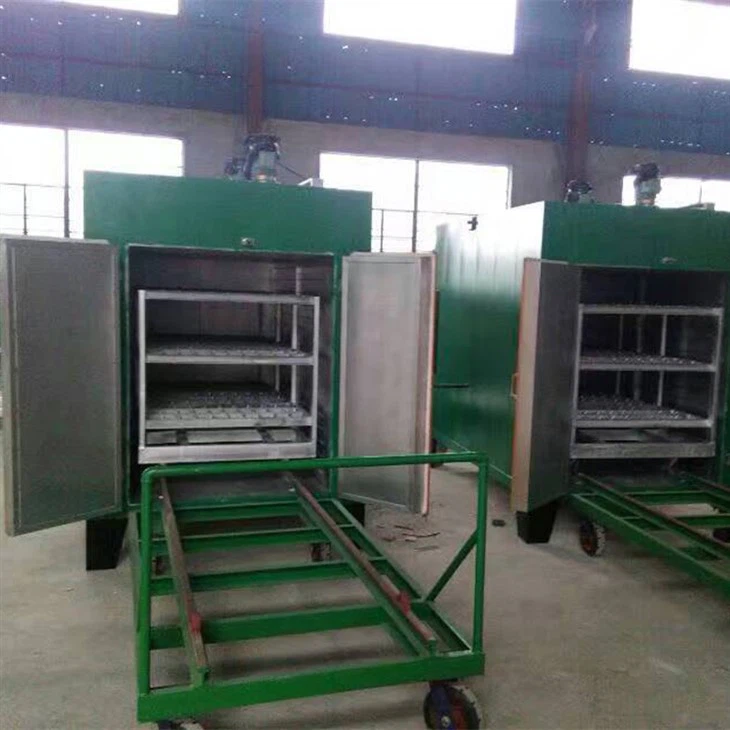

A surge protector is a device that diverts excess voltage to the ground, preventing it from reaching the oven. There are different types of surge protectors available, including whole-house surge protectors and point-of-use surge protectors. For the Mould Preheating Oven, it's recommended to use a point-of-use surge protector that is specifically designed for industrial equipment.
Installation and Testing
Once you've taken care of all the power supply requirements, it's time to install the Mould Preheating Oven. Make sure that the installation is carried out by a qualified electrician who is familiar with industrial electrical systems.
After the installation is complete, the electrician should test the power supply to make sure that everything is working properly. This includes checking the voltage, current, and grounding. The oven should also be tested to make sure that it heats up properly and that all the controls are functioning correctly.
Other Considerations
In addition to the power supply requirements, there are a few other things to consider when installing a Mould Preheating Oven. For example, the oven should be installed in a well-ventilated area to prevent overheating. It should also be installed on a level surface to ensure proper operation.
You may also want to consider the type of heating element used in the oven. Different heating elements have different power requirements and performance characteristics. For example, some ovens use electric heating elements, while others use gas heating elements. Make sure that you choose the right type of heating element for your needs.
Related Products
If you're in the market for other industrial heating equipment, we also offer Industrial Benchtop Oven, Industrial Curing Oven, and Water Bath for Oven. These products are designed to meet the specific needs of industrial applications and are built to last.
Conclusion
Installing the power supply for a Mould Preheating Oven requires careful planning and attention to detail. By following the installation requirements outlined in this blog post, you can ensure that your oven operates safely and efficiently. If you have any questions or need further assistance, don't hesitate to contact us. We're here to help you with all your industrial heating equipment needs. Whether you're looking to purchase a Mould Preheating Oven or need advice on installation, we're just a message away. Let's start a conversation and find the best solution for your business!
References
- Electrical Installation Codes and Standards
- Manufacturer's User Manual for Mould Preheating Oven