

When it comes to drying plastic products in a tunnel drying oven, there are several crucial factors that need to be carefully considered. As a tunnel drying oven supplier, I have witnessed firsthand the impact these factors can have on the quality and efficiency of the drying process. In this blog post, I will delve into the key elements that should be taken into account to ensure optimal results when using a tunnel drying oven for plastic product drying.
1. Temperature Control
Temperature is one of the most critical factors in the plastic drying process. Different types of plastics have specific temperature requirements for drying. For instance, some thermoplastics may require lower temperatures to prevent melting or deformation, while others can withstand higher temperatures for a more efficient drying process.
It is essential to set the appropriate temperature range based on the type of plastic being dried. This can be determined through research or by consulting the plastic material's technical data sheet. Additionally, maintaining a consistent temperature throughout the tunnel drying oven is crucial. Fluctuations in temperature can lead to uneven drying, which may result in product defects such as warping, cracking, or inconsistent moisture content.

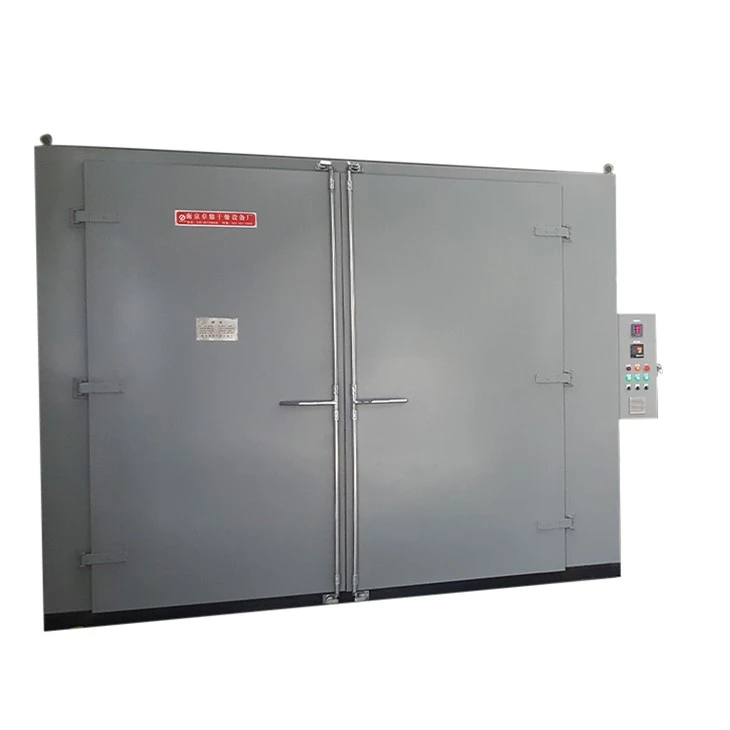
Modern tunnel drying ovens are equipped with advanced temperature control systems that can precisely regulate the temperature. These systems often use sensors to monitor the temperature at various points within the oven and adjust the heating elements accordingly. As a supplier, we offer tunnel drying ovens with state - of - the - art temperature control technology to ensure accurate and stable temperature management.
2. Airflow and Circulation
Proper airflow and circulation are vital for effective drying in a tunnel drying oven. The movement of hot air helps to carry away the moisture from the plastic products and ensures uniform drying. Insufficient airflow can lead to moisture buildup in certain areas, causing uneven drying and potentially ruining the products.
There are two main types of airflow patterns in tunnel drying ovens: horizontal and vertical. Horizontal airflow is suitable for drying products with a large surface area, as it allows the hot air to flow evenly over the product. Vertical airflow, on the other hand, is often used for products that are stacked or have complex shapes, as it can penetrate through the layers more effectively.
In addition to the airflow pattern, the speed of the air circulation also needs to be considered. A too - slow air circulation may not be able to remove the moisture efficiently, while a too - fast circulation may cause the plastic products to move or vibrate, which can lead to damage. Our tunnel drying ovens are designed with adjustable airflow systems, allowing users to customize the airflow pattern and speed according to the specific requirements of their plastic products.
3. Drying Time
The drying time is another important factor that affects the quality of plastic products. The drying time depends on several factors, including the type of plastic, the size and thickness of the products, the initial moisture content, and the temperature and airflow settings in the tunnel drying oven.
Generally, thicker and larger plastic products require longer drying times. It is important to determine the appropriate drying time through testing and experimentation. Over - drying can lead to brittleness and other quality issues in the plastic products, while under - drying can result in a high moisture content, which may affect the product's performance and durability.
As a supplier, we provide our customers with guidelines and recommendations on the estimated drying time based on different plastic materials and product specifications. However, it is always advisable for users to conduct their own tests to fine - tune the drying time for their specific applications.
4. Moisture Content Monitoring
Monitoring the moisture content of the plastic products before and after drying is essential to ensure the effectiveness of the drying process. There are various methods for measuring moisture content, such as moisture meters and loss - on - drying tests.
By regularly monitoring the moisture content, users can adjust the drying parameters, such as temperature, airflow, and drying time, to achieve the desired moisture level in the plastic products. This helps to prevent over - drying or under - drying and ensures consistent product quality.
Our tunnel drying ovens can be integrated with moisture monitoring systems, which provide real - time data on the moisture content of the products during the drying process. This allows users to make immediate adjustments and optimize the drying process for better results.
5. Product Loading and Placement
The way plastic products are loaded and placed in the tunnel drying oven can also affect the drying efficiency and quality. It is important to ensure that there is enough space between the products to allow for proper airflow. Overcrowding the oven can restrict the movement of hot air, leading to uneven drying.
The orientation of the products also matters. For example, if the plastic products have a specific shape or structure, they should be placed in a way that allows the hot air to reach all parts of the product evenly. Additionally, products with different shapes and sizes should be grouped together based on their drying requirements to ensure uniform drying.
We offer our customers guidance on the best practices for product loading and placement in our tunnel drying ovens. Our ovens are designed with adjustable racks and shelves to accommodate different product sizes and shapes, making it easier for users to optimize the product layout for efficient drying.
6. Energy Efficiency
In today's environmentally conscious world, energy efficiency is an important consideration for any industrial heating equipment, including tunnel drying ovens. An energy - efficient oven can help reduce operating costs and minimize the environmental impact.
There are several ways to improve the energy efficiency of a tunnel drying oven. One is to use high - quality insulation materials to minimize heat loss. Our tunnel drying ovens are constructed with advanced insulation materials that provide excellent thermal insulation, reducing the energy consumption required to maintain the desired temperature.
Another way is to optimize the heating system. We offer tunnel drying ovens with energy - saving heating elements and intelligent control systems that can adjust the heating power according to the actual drying needs. This helps to avoid unnecessary energy consumption and ensures that the oven operates at maximum efficiency.
Related Products
If you are interested in other types of industrial heating equipment, we also offer a range of related products, such as the Hot Air Circulation Drying Room, Electrically Heated Oven, and Raw Material Barrel Heating Oven. These products are designed to meet the diverse needs of different industries and can provide efficient and reliable drying solutions.
Conclusion
Drying plastic products in a tunnel drying oven requires careful consideration of multiple factors, including temperature control, airflow and circulation, drying time, moisture content monitoring, product loading and placement, and energy efficiency. By taking these factors into account and choosing a high - quality tunnel drying oven, you can ensure optimal drying results and produce high - quality plastic products.
If you are in the market for a tunnel drying oven or have any questions about the plastic drying process, please feel free to contact us. Our team of experts is ready to assist you in selecting the right equipment for your specific needs and providing professional advice on the drying process.
References
- [1] Plastics Engineering Handbook, 5th Edition
- [2] Industrial Drying Technology: Theory, Equipment, and Process Design
- [3] Handbook of Plastic Materials and Technology