

As a supplier of water baths for ovens, I've often encountered questions from customers regarding the possibility of over - heating water in a water bath within an oven. This topic not only involves basic physical principles but also has practical implications for various industrial and laboratory applications. In this blog, I'll explore whether it's possible to over - heat water in a water bath for an oven, the factors influencing this, and the potential consequences.
The Basics of Water Heating in a Water Bath for an Oven
Before delving into the question of over - heating, it's essential to understand the fundamental process of heating water in a water bath for an oven. A water bath is a device used to heat substances indirectly by immersing them in a container filled with water. When placed inside an oven, the oven transfers heat to the water bath, and the water, in turn, transfers heat to the sample or substance within the water bath.
Water has a well - defined boiling point at standard atmospheric pressure, which is 100°C (212°F). At this temperature, water changes from a liquid to a gaseous state, and the temperature remains constant until all the water has boiled off. However, the situation becomes more complex when considering the conditions inside an oven.
Factors Affecting Water Heating in an Oven
Pressure
One of the most critical factors that can affect the boiling point of water is pressure. In a sealed oven, the pressure can increase as the temperature rises. According to the ideal gas law and the principles of thermodynamics, an increase in pressure leads to an increase in the boiling point of water. For example, in a pressure cooker, the increased pressure allows water to reach temperatures above 100°C without boiling. In an oven, if it is not well - ventilated, the pressure can build up, potentially causing the water in the water bath to reach temperatures higher than its normal boiling point at atmospheric pressure.
Heat Transfer Rate
The rate at which heat is transferred from the oven to the water bath also plays a crucial role. If the oven has a high - power heating element and the heat transfer to the water bath is efficient, the water can heat up rapidly. However, if the heat transfer is too fast, it may cause local over - heating in the water bath. For instance, if the heating element in the oven is located very close to the water bath and there is poor circulation of heat within the oven, the water near the side of the water bath closest to the heating element may reach higher temperatures than the rest of the water.
Water Bath Design
The design of the water bath itself can influence the heating process. A well - designed water bath with proper insulation can prevent excessive heat loss and ensure more uniform heating. On the other hand, a poorly designed water bath may have hot spots, where the water over - heats. For example, if the water bath has a thick layer of sediment or scale on the bottom, it can act as an insulator and cause the water near the bottom to over - heat.
Is Over - heating Possible?
Based on the above factors, it is indeed possible to over - heat water in a water bath for an oven. When the pressure inside the oven increases due to poor ventilation or a sealed environment, the boiling point of water rises. If the oven continues to supply heat, the water can reach temperatures above 100°C. Additionally, as mentioned earlier, local over - heating can occur due to uneven heat transfer.
However, it's important to note that over - heating water in a water bath is not always a desirable outcome. In many applications, such as in laboratory settings where precise temperature control is required, over - heating can lead to inaccurate results. For example, in a chemical reaction carried out in a water bath, over - heating can cause the reaction to proceed at an unexpected rate or even lead to the decomposition of the reactants.
Consequences of Over - heating
Damage to the Water Bath
Over - heating can cause damage to the water bath itself. High temperatures can cause the material of the water bath to expand, leading to cracks or leaks. If the water bath is made of glass, it may shatter due to thermal stress. Moreover, the heating elements in the water bath, if any, can be damaged by excessive heat, reducing the lifespan of the equipment.
Impact on Samples or Substances in the Water Bath
As mentioned earlier, over - heating can have a significant impact on the samples or substances placed in the water bath. In biological applications, such as cell culture or enzyme reactions, over - heating can denature proteins and kill cells. In chemical synthesis, over - heating can lead to side reactions and the formation of unwanted by - products.
Preventing Over - heating
Proper Ventilation
Ensuring proper ventilation in the oven is crucial to prevent pressure build - up. Most ovens are equipped with ventilation systems to release excess heat and maintain a stable pressure. Regularly checking and cleaning these ventilation systems can help prevent over - heating.
Temperature Control
Using a reliable temperature control system in the oven and the water bath is essential. Modern ovens often come with digital temperature controllers that can accurately regulate the temperature. Additionally, placing a thermometer in the water bath can help monitor the temperature and ensure that it stays within the desired range.
Choosing the Right Water Bath
Selecting a high - quality water bath with good insulation and even heat distribution can reduce the risk of over - heating. A water bath with a stirrer can also help ensure more uniform heating by circulating the water.
Our Water Baths for Ovens
As a supplier of water baths for ovens, we understand the importance of reliable and safe equipment. Our water baths are designed with high - quality materials and advanced technology to ensure efficient and uniform heat transfer. They are equipped with precise temperature control systems to prevent over - heating and provide accurate temperature regulation.
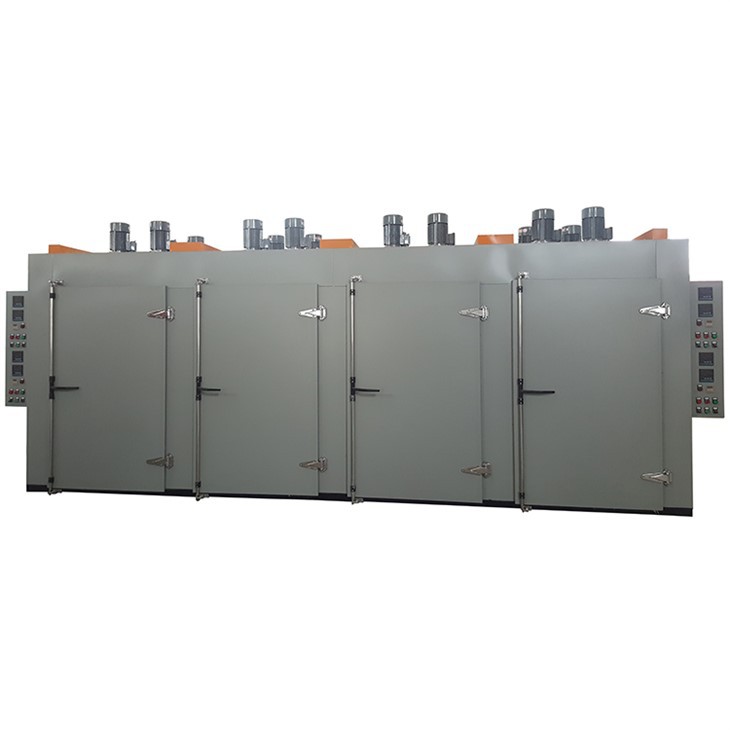
We also offer a range of water baths suitable for different types of ovens, including Electrothermal Blast Drying Oven, Industrial Drying Oven, and Industrial Curing Oven. Whether you are in a laboratory, a manufacturing plant, or any other industry that requires precise temperature control, our water baths can meet your needs.
If you are interested in our products or have any questions about water baths for ovens, please feel free to contact us for a procurement discussion. We are committed to providing you with the best solutions and high - quality products.

References
- Atkins, P. W., & de Paula, J. (2014). Physical Chemistry. Oxford University Press.
- Incropera, F. P., & DeWitt, D. P. (2002). Fundamentals of Heat and Mass Transfer. John Wiley & Sons.
- Young, H. D., & Freedman, R. A. (2012). University Physics with Modern Physics. Pearson.