

Industrial drying ovens are essential equipment in various industries, including food processing, pharmaceuticals, electronics, and manufacturing. These ovens are designed to remove moisture from products, materials, or components, ensuring their quality, stability, and longevity. However, like any other industrial equipment, drying ovens can encounter problems that may affect their performance and efficiency. As an industrial drying oven supplier, I understand the importance of troubleshooting these issues promptly to minimize downtime and maintain productivity. In this blog post, I will share some common problems that can occur with industrial drying ovens and provide practical solutions to help you troubleshoot them effectively.
1. Temperature Fluctuations
One of the most common problems with industrial drying ovens is temperature fluctuations. These fluctuations can occur due to several reasons, including improper calibration, faulty heating elements, or a malfunctioning thermostat. Temperature fluctuations can lead to inconsistent drying results, affecting the quality of the products being dried.
Solution
- Calibration: Regularly calibrate the oven's temperature sensors and controls to ensure accurate temperature readings. This can be done using a calibrated thermometer or a temperature calibration device.
- Check Heating Elements: Inspect the heating elements for any signs of damage or wear. If a heating element is faulty, it may need to be replaced. You can test the heating elements using a multimeter to check for continuity.
- Thermostat Inspection: Examine the thermostat to ensure it is functioning correctly. A malfunctioning thermostat can cause temperature fluctuations. If necessary, replace the thermostat with a new one.
2. Uneven Drying
Uneven drying is another common issue that can occur in industrial drying ovens. This problem can be caused by poor air circulation, improper loading of the oven, or a blocked exhaust system. Uneven drying can result in some parts of the product being over - dried while others are under - dried.
Solution
- Improve Air Circulation: Check the oven's fans and ensure they are working properly. Clean the fan blades to remove any dust or debris that may be obstructing the airflow. You can also adjust the fan speed or direction to improve air circulation within the oven.
- Proper Loading: Follow the manufacturer's guidelines for loading the oven. Avoid overloading the oven, as this can block the airflow and cause uneven drying. Ensure that there is enough space between the products to allow for proper air circulation.
- Exhaust System Inspection: Inspect the exhaust system for any blockages. A blocked exhaust system can prevent the proper removal of moisture from the oven, leading to uneven drying. Clean the exhaust ducts and vents to remove any blockages.
3. Excessive Energy Consumption
Excessive energy consumption in an industrial drying oven can be a significant concern for businesses. This problem can be caused by insulation issues, inefficient heating elements, or a malfunctioning control system.
Solution
- Insulation Check: Inspect the oven's insulation to ensure it is in good condition. Damaged or worn insulation can cause heat loss, resulting in increased energy consumption. Replace any damaged insulation to improve the oven's energy efficiency.
- Energy - Efficient Heating Elements: Consider upgrading to more energy - efficient heating elements. Newer heating elements are designed to consume less energy while providing the same level of heat output.
- Control System Upgrade: Evaluate the oven's control system. An outdated or malfunctioning control system may not be able to regulate the temperature and energy consumption effectively. Upgrading to a modern control system can help optimize energy usage.
4. Noise and Vibration
Noise and vibration in an industrial drying oven can be a sign of a mechanical problem. These issues can be caused by loose components, a faulty motor, or an unbalanced fan.
Solution
- Component Inspection: Check all the components of the oven for any signs of looseness. Tighten any loose bolts, nuts, or screws. Pay special attention to the fan and motor mounts.
- Motor Check: Inspect the motor for any signs of damage or wear. A faulty motor can cause excessive noise and vibration. If necessary, replace the motor with a new one.
- Fan Balancing: If the fan is unbalanced, it can cause vibration. You can balance the fan by adjusting the weights on the fan blades or by replacing the fan if it is severely damaged.
5. Malfunctioning Door Seal
A malfunctioning door seal can cause heat loss, moisture leakage, and inconsistent drying results. This problem can be caused by a worn or damaged door seal.
Solution
- Seal Inspection: Inspect the door seal for any signs of wear, damage, or cracks. If the door seal is damaged, it needs to be replaced. You can order a replacement door seal from the oven manufacturer or a reputable supplier.
- Clean the Seal Area: Before installing a new door seal, clean the area around the door where the seal will be attached. This will ensure a proper fit and prevent any air or moisture leakage.
Types of Industrial Drying Ovens and Troubleshooting Considerations
There are different types of industrial drying ovens, each with its own unique features and potential problems. Here are some common types and their specific troubleshooting points:
Mesh Belt Tunnel Oven
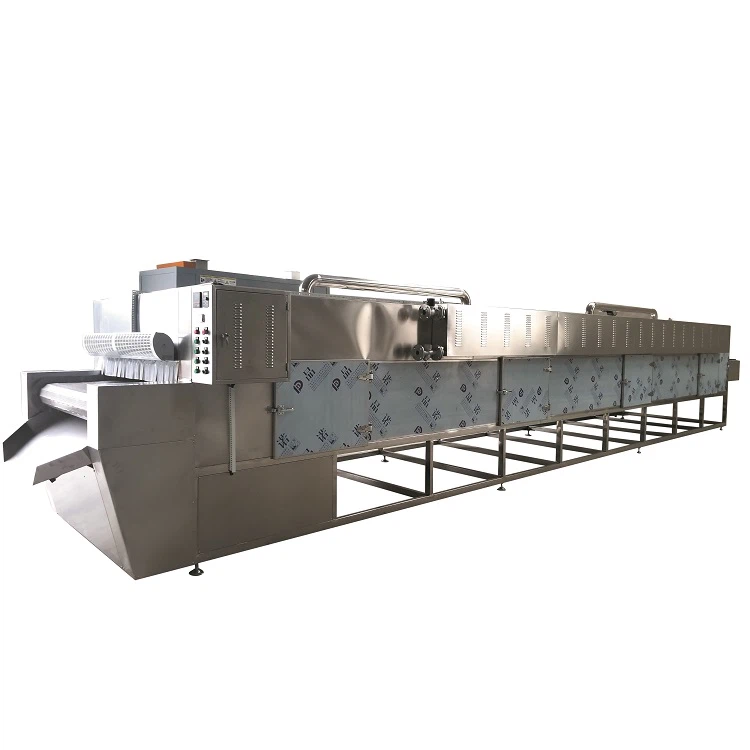
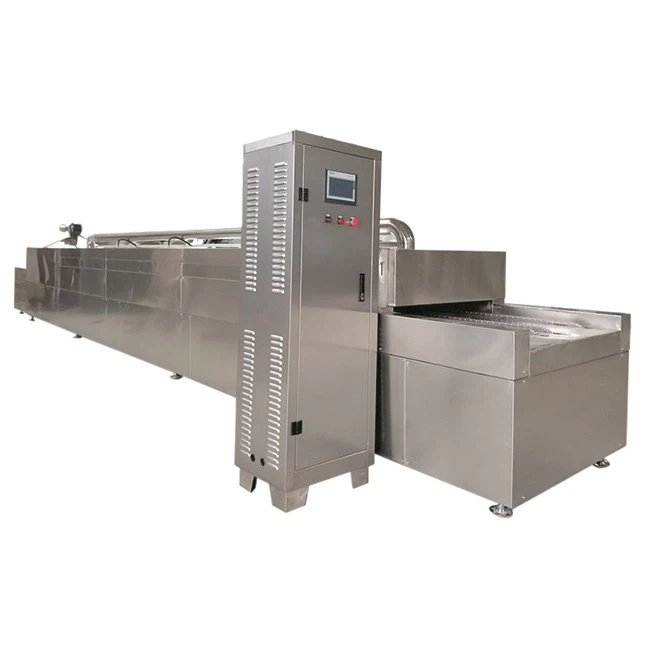
A Mesh Belt Tunnel Oven is often used for continuous drying of products. In addition to the general troubleshooting steps mentioned above, for mesh belt tunnel ovens, you need to pay attention to the mesh belt itself.
- Mesh Belt Inspection: Check the mesh belt for any signs of damage, such as broken wires or loose connections. A damaged mesh belt can cause uneven product movement and drying. If necessary, repair or replace the mesh belt.
- Belt Tension: Ensure that the mesh belt is properly tensioned. An overly loose or tight belt can cause problems with product handling and oven performance.
Vacuum Drying Cabinet
A Vacuum Drying Cabinet operates under reduced pressure, which can present unique troubleshooting challenges.
- Vacuum Leakage: Check for any vacuum leaks in the cabinet. A vacuum leak can prevent the cabinet from reaching and maintaining the desired vacuum level. Inspect the door seals, valves, and fittings for any signs of leakage. You can use a vacuum leak detector to identify the source of the leak.
- Vacuum Pump Maintenance: Regularly maintain the vacuum pump to ensure its proper operation. This includes changing the oil, cleaning the filters, and checking for any signs of wear or damage.
Explosion - proof Water Bath Oven
An Explosion - proof Water Bath Oven is designed for use in hazardous environments. Troubleshooting this type of oven requires special attention to safety.
- Safety Features Inspection: Check all the explosion - proof safety features, such as explosion - proof switches, seals, and grounding. Ensure that these features are in good working condition to prevent any potential safety hazards.
- Water Level and Quality: Monitor the water level in the water bath and ensure it is at the appropriate level. Also, check the water quality regularly to prevent corrosion and scale buildup, which can affect the oven's performance.
Conclusion
Troubleshooting an industrial drying oven requires a systematic approach and a good understanding of the oven's components and operation. By following the steps outlined in this blog post, you can effectively diagnose and resolve common problems that may occur with your industrial drying oven. Regular maintenance and inspection of your oven can also help prevent many of these issues from occurring in the first place.
If you are experiencing persistent problems with your industrial drying oven or if you are considering purchasing a new one, I encourage you to contact us. As an experienced industrial drying oven supplier, we have the expertise and resources to provide you with high - quality ovens and comprehensive support. We can assist you in choosing the right oven for your specific needs and offer troubleshooting and maintenance services to ensure optimal performance. Don't hesitate to reach out to us for more information and to start a procurement discussion.
References
- Industrial Oven Handbook, published by Industrial Oven Manufacturers Association
- Technical Manuals of various industrial drying oven models