

Setting the temperature profile in a Mesh Belt Tunnel Oven is a critical aspect of ensuring optimal performance and product quality. As a leading supplier of Mesh Belt Tunnel Ovens, we understand the importance of this process and are here to guide you through the steps to achieve the best results.
Understanding the Basics of Temperature Profiling
Before delving into the details of setting the temperature profile, it is essential to understand what temperature profiling entails. Temperature profiling is the process of mapping the temperature changes that a product experiences as it travels through the oven. This mapping helps in determining the ideal temperature settings for different zones within the oven to achieve the desired product characteristics, such as curing, drying, or heat treatment.
The temperature profile in a Mesh Belt Tunnel Oven typically consists of multiple zones, each with its own temperature control. These zones can be adjusted independently to create a customized heating environment for the product. The key factors to consider when setting the temperature profile include the type of product, its size and thickness, the desired processing time, and the specific requirements of the application.
Factors Affecting Temperature Profiling
Several factors can influence the temperature profile in a Mesh Belt Tunnel Oven. Understanding these factors is crucial for accurate temperature setting and consistent product quality.
Product Characteristics
The type of product being processed is one of the most significant factors affecting temperature profiling. Different materials have different thermal properties, such as specific heat capacity and thermal conductivity. For example, a product with a high specific heat capacity will require more energy to heat up compared to a product with a low specific heat capacity. Similarly, a product with low thermal conductivity will take longer to transfer heat through its structure, requiring a more gradual heating process.
The size and thickness of the product also play a role in temperature profiling. Larger and thicker products will generally require a longer processing time and a more uniform temperature distribution to ensure that the entire product reaches the desired temperature.
Oven Design and Configuration
The design and configuration of the Mesh Belt Tunnel Oven can significantly impact the temperature profile. Factors such as the length of the oven, the number of heating zones, the type of heating elements, and the airflow pattern within the oven all affect how heat is distributed and transferred to the product.
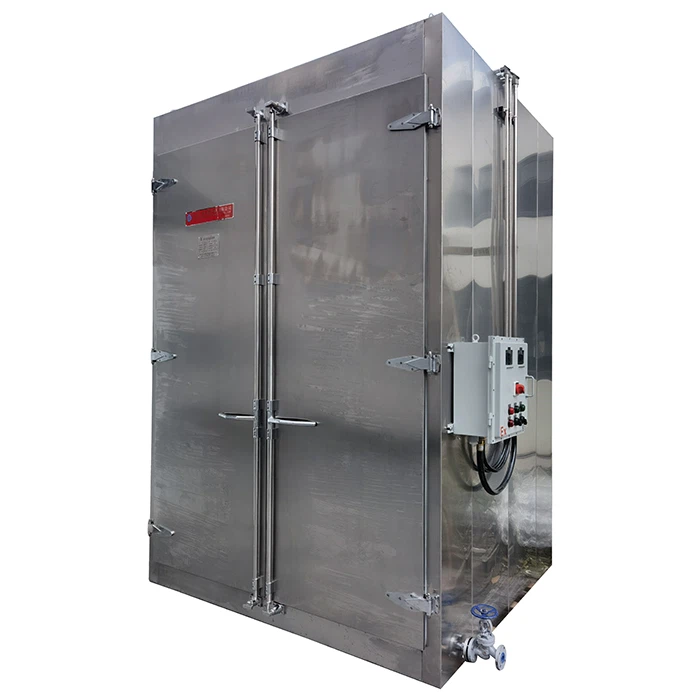

A longer oven with more heating zones allows for a more gradual and precise temperature control, which is beneficial for products that require a slow and controlled heating process. The type of heating elements, such as electric heaters or gas burners, can also affect the heating rate and temperature uniformity. Additionally, the airflow pattern within the oven, which can be either forced convection or natural convection, plays a crucial role in ensuring even heat distribution.
Processing Time
The processing time required for a product depends on its size, thickness, and the desired processing outcome. Longer processing times may be necessary for products that require thorough curing or drying. However, it is important to balance the processing time with the temperature settings to avoid overheating or underheating the product.
Steps to Set the Temperature Profile
Now that we have a better understanding of the factors affecting temperature profiling, let's discuss the steps to set the temperature profile in a Mesh Belt Tunnel Oven.
Step 1: Define the Product Requirements
The first step in setting the temperature profile is to clearly define the product requirements. This includes determining the desired processing outcome, such as curing, drying, or heat treatment, as well as the specific temperature and time requirements for the product. Consult the product specifications or work with your R&D team to gather this information.
Step 2: Analyze the Oven Capabilities
Next, analyze the capabilities of your Mesh Belt Tunnel Oven. Consider the number of heating zones, the temperature range of each zone, and the maximum heating rate. This information will help you determine how to divide the oven into different temperature zones and set the appropriate temperature settings for each zone.
Step 3: Divide the Oven into Zones
Based on the product requirements and the oven capabilities, divide the oven into different temperature zones. The number of zones will depend on the complexity of the temperature profile and the desired level of control. For example, a simple drying process may require only two or three zones, while a more complex curing process may require five or more zones.
Step 4: Set the Initial Temperature Settings
Once the oven is divided into zones, set the initial temperature settings for each zone. Start with a conservative approach and gradually adjust the settings based on the results of test runs. Consider the product characteristics, such as its size, thickness, and thermal properties, when setting the temperature settings.
Step 5: Conduct Test Runs
After setting the initial temperature settings, conduct test runs with a small batch of products. Monitor the temperature profile using temperature sensors placed at different locations within the oven and on the product. Analyze the results of the test runs to determine if the temperature profile is achieving the desired processing outcome.
Step 6: Adjust the Temperature Settings
Based on the results of the test runs, adjust the temperature settings for each zone as needed. If the product is not reaching the desired temperature or if the temperature distribution is uneven, make small adjustments to the temperature settings and conduct additional test runs until the desired results are achieved.
Step 7: Monitor and Maintain the Temperature Profile
Once the temperature profile is optimized, it is important to monitor and maintain it during regular production. Use temperature sensors and data logging systems to continuously monitor the temperature in each zone and make any necessary adjustments to ensure consistent product quality.
Importance of Proper Temperature Profiling
Proper temperature profiling in a Mesh Belt Tunnel Oven is essential for several reasons.
Product Quality
A well-defined temperature profile ensures that the product is processed at the correct temperature for the appropriate amount of time, resulting in consistent product quality. This is particularly important for applications where product performance and reliability are critical, such as in the electronics, automotive, and aerospace industries.
Energy Efficiency
Optimizing the temperature profile can also lead to significant energy savings. By using the minimum amount of energy required to achieve the desired processing outcome, you can reduce operating costs and minimize the environmental impact of your manufacturing process.
Equipment Longevity
Proper temperature profiling helps to prevent overheating and thermal stress on the oven components, which can extend the lifespan of the equipment and reduce maintenance costs.
Additional Considerations
In addition to setting the temperature profile, there are several other considerations that can help improve the performance of your Mesh Belt Tunnel Oven.
Airflow Management
Proper airflow management is crucial for ensuring uniform heat distribution within the oven. Make sure that the airflow is balanced and that there are no dead spots or areas of poor ventilation. This can be achieved through the use of fans, baffles, and other airflow control devices.
Maintenance and Calibration
Regular maintenance and calibration of the oven are essential for accurate temperature control and consistent product quality. Schedule routine maintenance checks to clean the heating elements, inspect the temperature sensors, and ensure that all components are functioning properly. Calibrate the temperature sensors regularly to ensure accurate temperature readings.
Safety Precautions
When working with a Mesh Belt Tunnel Oven, it is important to follow all safety precautions to prevent accidents and injuries. This includes wearing appropriate personal protective equipment, such as heat-resistant gloves and safety glasses, and ensuring that the oven is properly grounded and equipped with safety features, such as overheat protection and emergency stop buttons.
Conclusion
Setting the temperature profile in a Mesh Belt Tunnel Oven is a complex but essential process for achieving optimal product quality and performance. By understanding the factors affecting temperature profiling, following the steps outlined in this blog, and considering the additional considerations, you can ensure that your oven is operating at its best.
As a leading supplier of Mesh Belt Tunnel Ovens, we are committed to providing our customers with the highest quality equipment and technical support. If you have any questions or need assistance with setting the temperature profile in your oven, please do not hesitate to [contact us for procurement and further discussion]. Our team of experts is here to help you achieve the best results for your manufacturing process.
References
- ASHRAE Handbook of Fundamentals. American Society of Heating, Refrigerating and Air-Conditioning Engineers.
- Perry's Chemical Engineers' Handbook. McGraw-Hill Education.
- Industrial Ovens: Principles, Design, and Operation. John Wiley & Sons.