

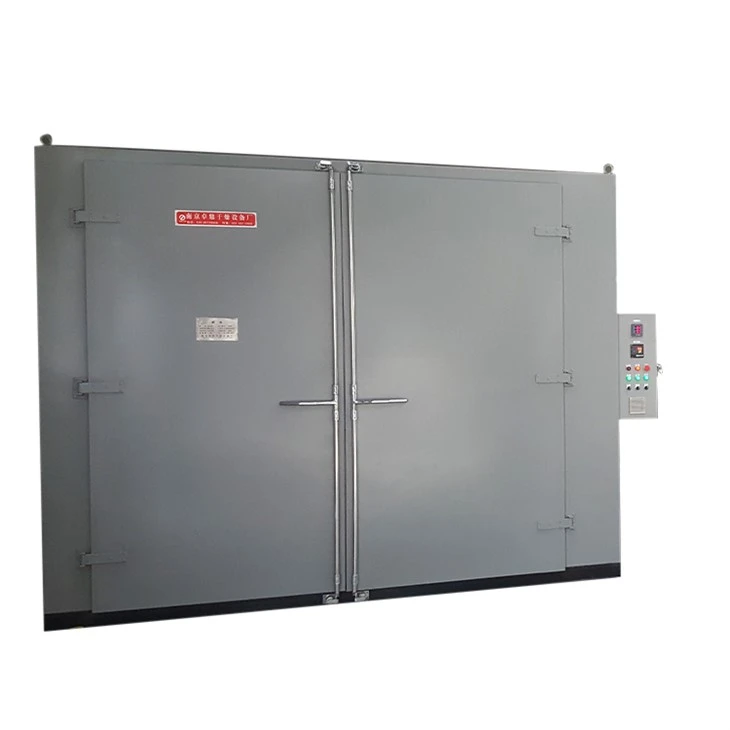
Selecting the right insulation thickness for an industrial curing oven is a crucial decision that can significantly impact the oven's performance, energy efficiency, and overall operational costs. As a leading supplier of Industrial Curing Oven, we understand the importance of making informed choices when it comes to insulation. In this blog post, we will explore the key factors to consider when determining the appropriate insulation thickness for your industrial curing oven.
Understanding the Basics of Insulation
Insulation plays a vital role in an industrial curing oven by reducing heat loss and maintaining a consistent temperature inside the oven chamber. The primary function of insulation is to create a barrier between the hot interior of the oven and the cooler external environment. This helps to minimize energy consumption, improve process efficiency, and ensure the quality of the cured products.
There are several types of insulation materials commonly used in industrial curing ovens, including fiberglass, ceramic fiber, and mineral wool. Each material has its own unique properties, such as thermal conductivity, density, and temperature resistance. The choice of insulation material depends on various factors, including the operating temperature of the oven, the desired level of energy efficiency, and the specific requirements of the curing process.
Factors to Consider When Selecting Insulation Thickness
Operating Temperature
The operating temperature of the industrial curing oven is one of the most critical factors to consider when selecting the insulation thickness. Higher operating temperatures require thicker insulation to prevent excessive heat loss. For example, an oven operating at 500°C will need more insulation than an oven operating at 200°C. It is important to consult the manufacturer's specifications and guidelines to determine the appropriate insulation thickness based on the oven's operating temperature.
Energy Efficiency
Energy efficiency is another important consideration when choosing the insulation thickness. Thicker insulation generally results in lower heat loss, which translates to reduced energy consumption and lower operating costs. By investing in high-quality insulation with the appropriate thickness, you can significantly improve the energy efficiency of your industrial curing oven and save money in the long run.
Curing Process Requirements
The specific requirements of the curing process also play a role in determining the insulation thickness. Some curing processes may require precise temperature control and minimal temperature fluctuations. In such cases, thicker insulation can help to maintain a more stable temperature inside the oven chamber, ensuring consistent and high-quality results.
Space Constraints
Space constraints can also influence the choice of insulation thickness. In some cases, there may be limited space available for insulation installation. In such situations, it is important to find a balance between the desired insulation thickness and the available space. You may need to consider using insulation materials with higher thermal performance to achieve the desired level of insulation within the available space.
Cost
Cost is always a factor when making any purchasing decision. While thicker insulation generally provides better thermal performance, it also comes at a higher cost. It is important to weigh the benefits of thicker insulation against the additional cost to determine the most cost-effective solution for your industrial curing oven.

Calculating the Appropriate Insulation Thickness
Calculating the appropriate insulation thickness for an industrial curing oven can be a complex process. It involves considering various factors, such as the operating temperature, heat transfer rate, and the type of insulation material. While there are some general guidelines available, it is recommended to consult with a professional insulation engineer or the oven manufacturer to determine the optimal insulation thickness for your specific application.
One common method for calculating insulation thickness is based on the concept of thermal resistance. Thermal resistance, also known as R-value, is a measure of a material's ability to resist heat flow. The higher the R-value, the better the insulation performance. To calculate the required insulation thickness, you need to know the desired R-value, the thermal conductivity of the insulation material, and the temperature difference between the inside and outside of the oven.
The formula for calculating insulation thickness based on thermal resistance is as follows:
Insulation Thickness (in inches) = (Desired R-value x Thermal Conductivity of Insulation Material) / Temperature Difference
For example, if you have an industrial curing oven operating at 400°C and the outside temperature is 20°C, and you want to achieve an R-value of 20, and the thermal conductivity of the insulation material is 0.03 W/mK, the calculation would be as follows:
Temperature Difference = 400°C - 20°C = 380°C
Insulation Thickness = (20 x 0.03) / 380 = 0.00158 m or 0.158 inches
It is important to note that this is a simplified calculation, and there are other factors that may need to be considered, such as the type of insulation installation, the presence of air gaps, and the overall design of the oven.
Benefits of Choosing the Right Insulation Thickness
Choosing the right insulation thickness for your industrial curing oven offers several benefits, including:
Energy Savings
Thicker insulation reduces heat loss, which means less energy is required to maintain the desired temperature inside the oven. This can result in significant energy savings over time, reducing your operating costs and environmental impact.
Improved Process Efficiency
By maintaining a more consistent temperature inside the oven chamber, the right insulation thickness can improve the efficiency of the curing process. This can lead to faster curing times, higher product quality, and increased productivity.
Extended Equipment Lifespan
Proper insulation helps to protect the oven's components from excessive heat, reducing wear and tear and extending the lifespan of the equipment. This can save you money on maintenance and replacement costs in the long run.
Safety
Insulation also plays a role in safety by reducing the surface temperature of the oven, minimizing the risk of burns and other accidents. It can also help to prevent the spread of fire in case of an emergency.
Conclusion
Selecting the right insulation thickness for an industrial curing oven is a critical decision that requires careful consideration of various factors, including operating temperature, energy efficiency, curing process requirements, space constraints, and cost. By choosing the appropriate insulation thickness, you can improve the performance, energy efficiency, and safety of your industrial curing oven, while also reducing your operating costs.
If you are in the market for an Industrial Curing Oven, Electrically Heated Oven, or Explosion-proof Industrial Oven, our team of experts is here to help. We can provide you with the guidance and support you need to select the right insulation thickness for your specific application. Contact us today to learn more about our products and services and to start a discussion about your industrial heating needs.
References
- ASHRAE Handbook - Fundamentals. American Society of Heating, Refrigerating and Air-Conditioning Engineers, Inc.
- Insulation Materials and Systems for Industrial Applications. National Insulation Association.
- Thermal Insulation in Industrial Ovens: A Guide to Selection and Installation. Industrial Heating Equipment Association.