

As a trusted supplier of industrial curing ovens, I understand the importance of maintaining these essential pieces of equipment to ensure their optimal performance and longevity. In this blog post, I will share some valuable insights and practical tips on how to maintain an industrial curing oven effectively.
1. Regular Cleaning
One of the most fundamental aspects of oven maintenance is regular cleaning. Over time, dust, debris, and residues can accumulate inside the oven, which can affect its heating efficiency and potentially damage the internal components. Here's a step - by - step guide on how to clean your industrial curing oven:
- Power Off and Cool Down: Before starting the cleaning process, make sure to turn off the oven and allow it to cool down completely. This will prevent any risk of burns and ensure your safety.
- Remove Loose Debris: Use a soft - bristled brush or a vacuum cleaner with a brush attachment to remove loose dust and debris from the interior walls, shelves, and floor of the oven. Pay special attention to the corners and crevices where dirt tends to accumulate.
- Wipe Down the Surfaces: Dampen a clean cloth with a mild detergent solution and wipe down all the interior surfaces of the oven. Avoid using abrasive cleaners or harsh chemicals, as they can damage the oven's finish. Rinse the cloth frequently and dry the surfaces thoroughly with a clean, dry cloth.
- Clean the Heating Elements: The heating elements are crucial for the oven's performance. Gently brush off any dust or debris from the heating elements using a soft brush. If there are stubborn stains, you can use a specialized heating element cleaner according to the manufacturer's instructions.
2. Inspect and Maintain Seals
The seals around the oven door play a vital role in maintaining the oven's temperature and energy efficiency. A damaged or worn - out seal can cause heat to escape, leading to increased energy consumption and uneven heating.
- Visual Inspection: Regularly check the door seals for signs of wear, tear, or damage. Look for cracks, gaps, or areas where the seal is no longer making a proper contact with the door frame.
- Clean the Seals: Use a mild soap and water solution to clean the seals. This will remove any dirt or debris that may be preventing a proper seal. Dry the seals thoroughly after cleaning.
- Replace Damaged Seals: If you notice any significant damage to the seals, it is important to replace them as soon as possible. You can order replacement seals from the oven manufacturer or a reputable supplier.
3. Calibration and Temperature Monitoring
Accurate temperature control is essential for the proper functioning of an industrial curing oven. Over time, the oven's temperature sensors and controls may become inaccurate, leading to inconsistent curing results.
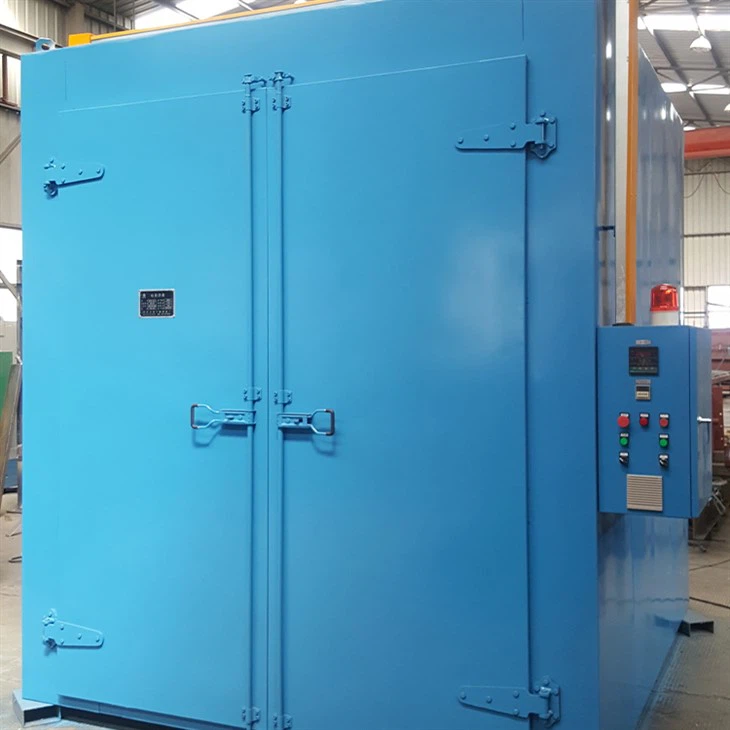

- Regular Calibration: Schedule regular calibration of the oven's temperature sensors and controls. This can be done by a professional technician using specialized calibration equipment. Calibration ensures that the oven is operating at the correct temperature, which is crucial for the quality of the curing process.
- Use Temperature Monitoring Devices: Install temperature monitoring devices inside the oven to keep track of the actual temperature during the curing process. This will help you detect any temperature fluctuations or discrepancies and take corrective action if necessary. You can find a variety of temperature monitoring devices on the market, such as data loggers and thermocouples.
4. Check and Maintain the Electrical System
The electrical system of an industrial curing oven is complex and requires regular inspection and maintenance to ensure safe and reliable operation.
- Inspect Electrical Connections: Periodically check all the electrical connections inside the oven for signs of loose wires, corrosion, or overheating. Tighten any loose connections and clean any corroded terminals using a wire brush and electrical contact cleaner.
- Test Safety Devices: The oven should be equipped with safety devices such as over - temperature protection, emergency stop buttons, and ground fault circuit interrupters (GFCIs). Test these safety devices regularly to ensure they are functioning properly.
- Check the Wiring: Inspect the wiring for any signs of damage, such as frayed wires or exposed insulation. If you notice any issues with the wiring, it is important to have it repaired or replaced by a qualified electrician.
5. Lubrication of Moving Parts
Many industrial curing ovens have moving parts such as fans, conveyor belts, and door hinges. Proper lubrication of these moving parts is essential to reduce friction, prevent wear and tear, and ensure smooth operation.
- Identify Lubrication Points: Refer to the oven's user manual to identify the lubrication points. Different ovens may have different requirements for lubrication.
- Use the Right Lubricant: Use a high - quality lubricant recommended by the oven manufacturer. Avoid using the wrong type of lubricant, as it can cause damage to the moving parts.
- Lubricate Regularly: Follow the manufacturer's recommended lubrication schedule. Over - lubrication can also be a problem, as it can attract dust and debris, so make sure to apply the lubricant in the correct amount.
6. Filter Maintenance
If your industrial curing oven is equipped with air filters, proper filter maintenance is crucial. Filters help to remove dust, particles, and contaminants from the air circulating inside the oven, which is important for the quality of the curing process and the longevity of the oven's components.
- Check the Filters Regularly: Inspect the air filters at regular intervals to see if they are dirty or clogged. A dirty filter can restrict the airflow, reducing the oven's efficiency and potentially causing overheating.
- Clean or Replace the Filters: Depending on the type of filter, you can either clean it or replace it. Some filters can be washed with water and mild detergent, while others need to be replaced when they are dirty. Follow the manufacturer's instructions for filter maintenance.
7. Professional Maintenance and Servicing
While regular in - house maintenance is important, it is also recommended to have your industrial curing oven professionally serviced at least once a year. A professional technician has the expertise and specialized tools to perform a comprehensive inspection and maintenance of the oven.
- Comprehensive Inspection: A professional technician will conduct a thorough inspection of all the oven's components, including the heating elements, electrical system, controls, and mechanical parts. They can identify potential problems before they become major issues.
- Preventive Maintenance: The technician will perform preventive maintenance tasks such as calibration, lubrication, and adjustment of the oven's settings. This will help to keep the oven in optimal condition and extend its lifespan.
Why Choose Our Industrial Curing Ovens
At our company, we offer a wide range of high - quality industrial curing ovens, including High Temperature Oven, Explosion - proof Hot Air Circulation Oven, and Electrical Heating Oven. Our ovens are designed with the latest technology and built to last, ensuring reliable performance and energy efficiency.
If you are in the market for an industrial curing oven or need assistance with oven maintenance, we would be more than happy to help. Our team of experts can provide you with detailed information about our products, offer customized solutions based on your specific requirements, and guide you through the purchasing process. Contact us today to start a discussion about your industrial curing oven needs.
References
- Industrial Oven Maintenance Guide, Industry Standard Publications
- Best Practices for Oven Maintenance, Equipment Manufacturer's Manuals