

Hey there! As a supplier of Oil Drum Ovens, I often get asked about how to ensure even heating in these nifty little setups. It's a crucial aspect, isn't it? Whether you're using your oil drum oven for small - scale cooking, heating in a workshop, or other industrial - like applications, uneven heating can lead to a whole host of problems. So, let's dive right in and explore some effective ways to achieve that even heat distribution.
Understanding the Basics
First things first, we need to know how heat behaves in an oil drum oven. Heat naturally rises, and in a closed space like an oil drum, this can create a significant temperature difference between the top and the bottom. The heat source, usually placed at the bottom of the drum, warms the air right around it. That hot air starts to move upwards, leaving the lower part of the drum with less heat. This is the root cause of uneven heating in most cases.
The Right Heat Source Placement
The position of your heat source is super important. If it's off - center, one side of the drum will get more heat than the other. Try to place the heat source as centrally as possible at the bottom of the oil drum. This way, the heat radiates outwards in a more uniform manner.
Another trick is to use a heat diffuser. A simple metal plate placed over the heat source can spread the flames or heat more evenly. Instead of having a concentrated hot spot, the diffuser distributes the energy across a larger area, kicking off the heating process in a more balanced way.
Air Circulation is Key
For even heating, we need to get the air moving inside the oil drum. When hot air just sits at the top and cold air accumulates at the bottom, it's a recipe for unevenness. You can create better air circulation in a few ways.
One option is to install a small fan. It doesn't have to be a big industrial one; a simple desk fan can work wonders. Place the fan inside the drum or near the air intake. The fan will help mix the hot and cold air, ensuring that the temperature evens out throughout the oven.
You can also create vents in strategic locations. Have an intake vent near the bottom of the drum to let in fresh, cool air. As the air heats up, it rises and can escape through an exhaust vent at the top. These vents should be sized appropriately. If they're too small, the air won't flow well. If they're too big, too much heat might escape.
Insulation
Good insulation can make a huge difference. An insulated oil drum oven will hold heat better and also promote even heating. You can use materials like fiberglass insulation, ceramic fiber, or even recycled denim. Line the inside walls of the drum with the insulation material. This not only traps the heat but also slows down the rate at which different parts of the oven cool down.
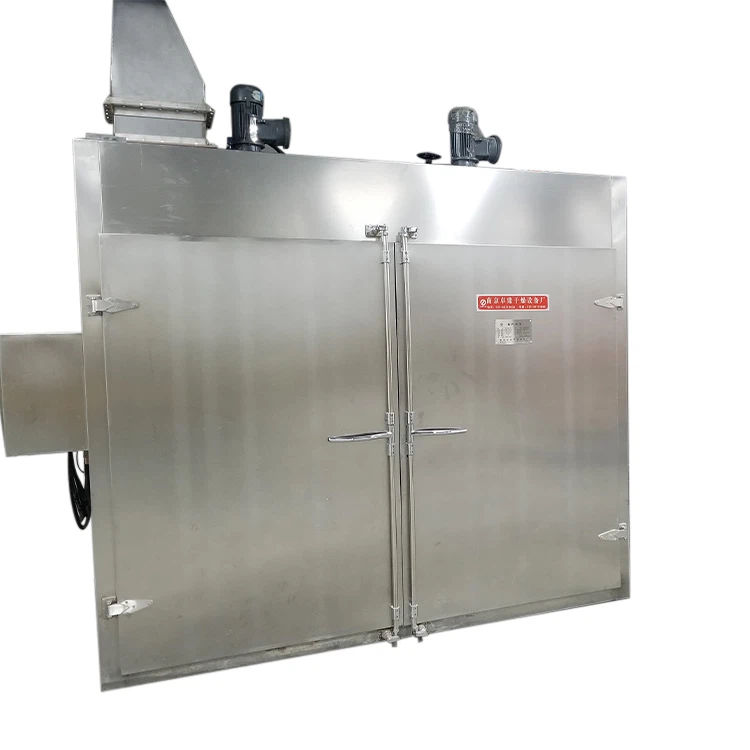

When the heat is retained well, it has more time to spread around and equalize the temperature. Without proper insulation, the heat can quickly escape through the metal walls, causing temperature variations.
Using Heat - Conductive Materials
Incorporating heat - conductive materials inside the oven can help spread the heat. For example, placing metal trays or racks can act as conductors. As the heat from the source reaches these materials, they transfer the energy to other parts of the oven.
Aluminum is a great choice because it's lightweight and has good heat - conducting properties. You can layer the trays at different heights in the drum to catch and distribute the heat more effectively.
Temperature Monitoring
You can't manage what you don't measure. Using a thermometer inside the oil drum oven is essential. Place multiple thermometers at different levels (top, middle, and bottom) and different sides of the drum. This way, you can keep an eye on the temperature variations and make adjustments as needed.
If you notice that one area is consistently hotter or colder, you can take steps to correct it. Maybe adjust the position of the heat source or increase the air circulation in that particular area.
Comparing with Other Ovens
It's interesting to compare oil drum ovens with other types of industrial ovens. For instance, the Mould Preheating Oven is designed for specific industrial processes where even heating is also crucial. These ovens use advanced heating elements and precise air circulation systems to ensure that the moulds are heated uniformly.
Similarly, the Explosion - proof Hot Air Circulation Oven and the Hot Air Circulation Oven rely on forced air movement to achieve even heating. While our oil drum ovens are more DIY - friendly and cost - effective, we can still learn from the principles used in these industrial counterparts.
Conclusion and Call to Action
Ensuring even heating in an oil drum oven isn't that difficult if you follow these steps. From proper heat source placement to efficient air circulation and insulation, each factor plays a key role in achieving that uniform temperature.
If you're in the market for an oil drum oven or looking to improve the one you have, we're here to help. As a supplier, we've got the expertise and the products to meet your needs. Reach out to us to discuss your requirements, and let's work together to get you the best - performing oil drum oven for your specific use case. Whether it's for a small - scale project or something more industrial, we've got you covered.
References
- Industrial Heating Handbook - A guide to efficient heating systems.
- DIY Oven Experiments - A collection of tips and tricks for home - made ovens.