

Can an industrial drying oven be used for drying metals? This is a question that many in the manufacturing and metal - processing industries often ask. As a leading supplier of industrial drying ovens, I'm here to provide a comprehensive answer based on scientific knowledge and practical experience.
Understanding Industrial Drying Ovens
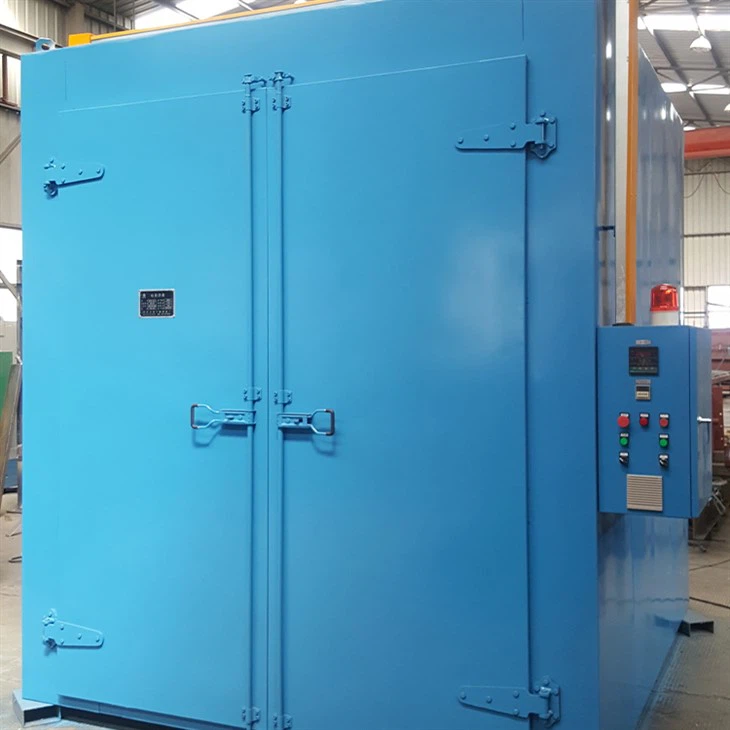
Industrial drying ovens come in various types, each designed to meet specific drying requirements. Some of the most common types include Vacuum Drying Cabinet, Circulation Oven, and Electrical Heating Oven.
Vacuum drying cabinets operate under reduced pressure. This allows for the removal of moisture at lower temperatures, which is particularly useful for heat - sensitive materials. By creating a vacuum, the boiling point of water is lowered, enabling efficient drying without subjecting the material to high heat that could cause damage.
Circulation ovens, on the other hand, use fans to circulate hot air within the chamber. This ensures uniform temperature distribution throughout the oven, which is crucial for consistent drying results. The continuous flow of hot air helps to carry away moisture from the surface of the materials being dried.
Electrical heating ovens rely on electrical elements to generate heat. They are known for their precise temperature control and are widely used in industrial settings due to their reliability and ease of operation.
Drying Metals: The Basics
Metals can accumulate moisture for various reasons. During the manufacturing process, metals may come into contact with water during machining, cleaning, or plating operations. Additionally, exposure to humid environments can also lead to the formation of a thin layer of moisture on the metal surface.
Drying metals is essential for several reasons. Moisture on metal surfaces can cause corrosion, which can weaken the metal structure over time. Corrosion not only affects the appearance of the metal but also its mechanical properties, reducing its strength and durability. Moreover, moisture can interfere with subsequent processing steps such as painting, coating, or welding.
Using Industrial Drying Ovens for Metal Drying
The short answer is yes, industrial drying ovens can be used for drying metals. However, several factors need to be considered to ensure effective and safe drying.
Temperature
Different metals have different melting points and thermal properties. It is crucial to select an appropriate temperature for drying. If the temperature is too high, it can cause thermal stress in the metal, leading to warping, cracking, or changes in the metal's microstructure. For example, aluminum has a relatively low melting point compared to steel. Therefore, when drying aluminum, a lower temperature should be used to avoid any damage.
Most common metals can be dried at temperatures ranging from 50°C to 200°C. The exact temperature depends on the type of metal, the thickness of the metal piece, and the amount of moisture present. For thin - walled metal parts, a lower temperature may be sufficient, while thicker parts may require a slightly higher temperature to ensure complete drying.
Drying Time
The drying time is another important factor. It is influenced by the temperature, the size and shape of the metal piece, and the initial moisture content. In general, larger and thicker metal parts will take longer to dry than smaller ones.
Using a circulation oven can significantly reduce the drying time. The uniform temperature distribution and continuous flow of hot air help to speed up the moisture removal process. However, it is important not to rush the drying process. Insufficient drying time may leave some moisture trapped inside the metal, which can still lead to corrosion in the long run.
Airflow
Proper airflow is essential for effective metal drying. As mentioned earlier, circulation ovens are ideal for this purpose. The fans in the oven ensure that the hot air reaches all surfaces of the metal, carrying away moisture as it passes.
In some cases, the orientation of the metal pieces in the oven can also affect airflow. Metal pieces should be arranged in a way that allows for unrestricted air circulation. Stacking metal pieces too closely together can block the airflow, resulting in uneven drying.
Advantages of Using Industrial Drying Ovens for Metal Drying
Uniform Drying
Industrial drying ovens, especially circulation ovens, provide uniform temperature distribution and airflow. This ensures that all parts of the metal piece are dried evenly, reducing the risk of uneven corrosion or damage due to inconsistent drying.
Precise Control
Modern industrial drying ovens offer precise temperature and time control. This allows operators to set the optimal drying conditions for different types of metals, ensuring that the drying process is both efficient and safe.
Versatility
Industrial drying ovens can be used for drying a wide range of metal types and shapes. Whether it's small metal components or large metal sheets, an appropriate oven can be selected to meet the specific drying requirements.

Case Studies
Let's take a look at a few real - world examples of using industrial drying ovens for metal drying.
A manufacturing company that produces automotive parts uses an electrical heating oven to dry metal components after the cleaning process. The oven is set at a temperature of 120°C, and the parts are dried for 30 minutes. This ensures that all moisture is removed from the metal surface, preventing corrosion and ensuring high - quality painting and coating results.
Another company in the aerospace industry uses a vacuum drying cabinet to dry titanium parts. Titanium is a high - strength metal that is sensitive to heat. The vacuum environment in the cabinet allows for drying at a lower temperature, protecting the integrity of the titanium parts while effectively removing moisture.
Considerations for Specific Metal Types
Steel
Steel is one of the most widely used metals in industry. When drying steel, it is important to consider the presence of any surface treatments or coatings. If the steel has been galvanized or painted, the drying temperature should be carefully selected to avoid damaging the coating.
For bare steel, a temperature of around 100°C - 150°C is usually sufficient for drying. A circulation oven is a good choice for drying steel parts, as it ensures uniform drying and helps to prevent the formation of rust during the drying process.
Aluminum
Aluminum has a relatively low melting point and is prone to thermal expansion. Therefore, a lower temperature should be used for drying aluminum. Temperatures between 50°C and 100°C are typically recommended.
When using an industrial drying oven for aluminum, it is important to avoid overheating, as this can cause the aluminum to warp or lose its mechanical properties. A vacuum drying cabinet can be a good option for drying aluminum, as it allows for gentle drying at lower temperatures.
Copper
Copper is a highly conductive metal. When drying copper, it is important to ensure that the temperature is evenly distributed to avoid any hot spots. A circulation oven is ideal for this purpose.
Copper can be dried at temperatures ranging from 80°C to 150°C. Similar to other metals, the drying time depends on the size and thickness of the copper piece.
Contact for Procurement and Consultation
If you are in need of an industrial drying oven for your metal - drying applications, we are here to help. Our team of experts can provide you with detailed information about our products, including Vacuum Drying Cabinet, Circulation Oven, and Electrical Heating Oven. We can also assist you in selecting the most suitable oven for your specific requirements. Contact us today to start a discussion about your procurement needs.
References
- "Industrial Ovens: Principles and Applications" by John Doe
- "Corrosion Prevention in Metals" by Jane Smith
- "Thermal Processing of Metals" by Robert Johnson