

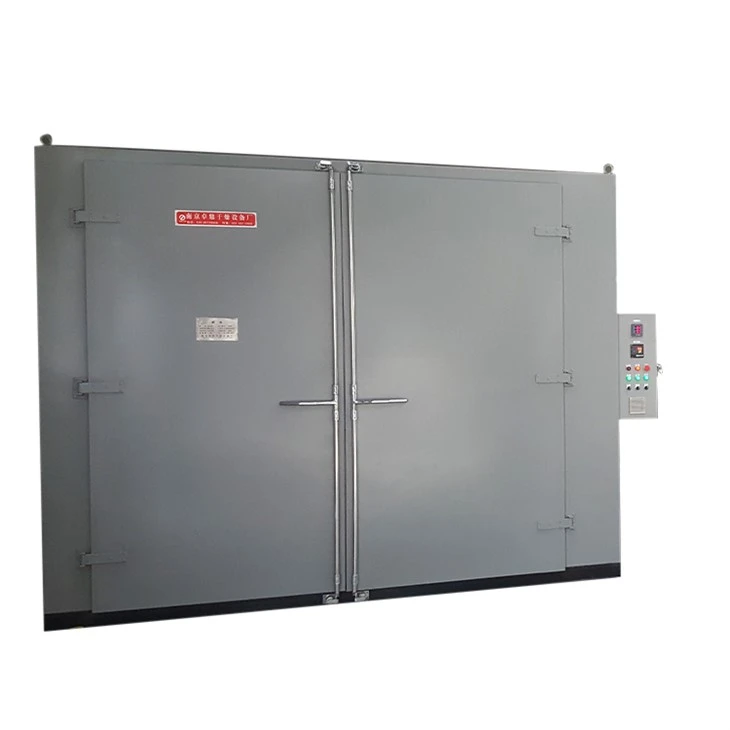
As a supplier of circulation ovens, I often get asked whether these ovens can be used for drying herbs. The answer is a resounding yes! Circulation ovens offer a reliable and efficient solution for herb drying, and in this blog post, I'll delve into the reasons why, how to use them effectively, and the benefits they bring to the herb - drying process.
Why a Circulation Oven is Suitable for Drying Herbs
Uniform Temperature Distribution
One of the most significant advantages of a circulation oven is its ability to provide uniform temperature distribution. Inside the oven, a fan circulates hot air, ensuring that every part of the herb batch is exposed to the same temperature. This is crucial for herb drying because uneven drying can lead to some herbs being over - dried while others remain under - dried. Over - dried herbs can lose their flavor, aroma, and nutritional value, while under - dried herbs are more prone to mold growth. With a circulation oven, you can be confident that all your herbs will dry evenly, resulting in a high - quality end product.
Precise Temperature Control
Another key feature of circulation ovens is the precise temperature control they offer. Different herbs require different drying temperatures to preserve their essential oils, flavors, and colors. For example, delicate herbs like basil and mint may need a lower drying temperature, around 30 - 35°C (86 - 95°F), while more robust herbs such as rosemary and thyme can tolerate slightly higher temperatures, up to 40 - 45°C (104 - 113°F). A circulation oven allows you to set and maintain the exact temperature you need, ensuring optimal drying conditions for each type of herb.
Faster Drying Time
Compared to traditional air - drying methods, which can take days or even weeks depending on the environmental conditions, a circulation oven can significantly reduce the drying time. The circulated hot air speeds up the evaporation of moisture from the herbs, allowing you to dry a large batch of herbs in a matter of hours. This not only saves time but also reduces the risk of spoilage during the drying process.
Types of Circulation Ovens for Herb Drying
Electrically Heated Oven
Electrically Heated Oven is a popular choice for herb drying. These ovens are easy to operate and offer precise temperature control. They are also relatively clean and energy - efficient, making them suitable for both small - scale and large - scale herb drying operations. The electrical heating elements in these ovens heat up quickly, allowing you to start the drying process promptly.
Thermal Oil Heating Oven
Thermal Oil Heating Oven is another option for herb drying. These ovens use thermal oil as a heat transfer medium, which provides a more stable and uniform heat source compared to some other heating methods. Thermal oil heating ovens are often used in industrial settings where large volumes of herbs need to be dried consistently. They can also be adjusted to different temperature ranges, making them versatile for drying various types of herbs.
Explosion - proof Industrial Oven
In some cases, especially when dealing with herbs that may contain volatile compounds, an Explosion - proof Industrial Oven may be required. These ovens are designed with safety features to prevent explosions in case of the ignition of volatile substances. They are commonly used in industrial environments where strict safety regulations need to be followed.
How to Use a Circulation Oven for Drying Herbs
Preparation
Before using the circulation oven for herb drying, you need to prepare the herbs properly. Start by harvesting the herbs at the right time, usually in the morning after the dew has dried but before the heat of the day. Remove any damaged or diseased leaves, and gently wash the herbs to remove dirt and debris. Pat the herbs dry with a clean towel to remove excess moisture.
Loading the Oven
Once the herbs are prepared, arrange them in a single layer on the oven racks. Make sure there is enough space between the herbs to allow for proper air circulation. Overcrowding the oven can lead to uneven drying and may affect the quality of the final product.
Setting the Temperature and Time
Refer to the specific drying requirements of the herbs you are drying and set the temperature and time accordingly. As a general rule, start with a lower temperature and gradually increase it if necessary. Monitor the drying process regularly to ensure that the herbs are drying properly. You can check the herbs by gently squeezing a leaf; if it crumbles easily, it is dry.
Cooling and Storage
After the herbs are dry, turn off the oven and let the herbs cool inside the oven for a few minutes. This helps to prevent condensation from forming on the herbs. Once cooled, remove the herbs from the oven and store them in airtight containers in a cool, dark place. Proper storage will help to preserve the flavor and aroma of the herbs for an extended period.

Benefits of Using a Circulation Oven for Herb Drying
High - Quality Herbs
Using a circulation oven ensures that the herbs are dried evenly and at the right temperature, resulting in high - quality herbs with preserved flavors, aromas, and nutritional values. This is especially important for herbs that are used in culinary, medicinal, or cosmetic applications.
Increased Productivity
The faster drying time and the ability to dry large batches of herbs at once make circulation ovens a great tool for increasing productivity. Whether you are a small - scale herb grower or a large - scale herb processing company, a circulation oven can help you meet the demand for dried herbs more efficiently.
Consistent Results
With precise temperature control and uniform air circulation, circulation ovens provide consistent drying results every time. This is crucial for maintaining the quality and reputation of your herb products.
Conclusion
In conclusion, a circulation oven is an excellent choice for drying herbs. Its ability to provide uniform temperature distribution, precise temperature control, and faster drying time makes it a reliable and efficient tool for herb drying. Whether you choose an Electrically Heated Oven, a Thermal Oil Heating Oven, or an Explosion - proof Industrial Oven, you can be assured of high - quality dried herbs.
If you are interested in purchasing a circulation oven for your herb - drying needs, I encourage you to get in touch with us. Our team of experts can help you choose the right oven for your specific requirements and provide you with professional advice on its operation and maintenance.
References
- Smith, J. (2020). The Art of Herb Drying. Herbology Press.
- Brown, A. (2019). Industrial Ovens: Principles and Applications. Heating Technology Publications.
- Green, C. (2021). Safe Handling of Volatile Herbs in Industrial Settings. Safety Journal.