

Hey there! I'm a supplier of Curing Drying Ovens, and I often get asked about the installation requirements for these ovens in a factory. So, I thought I'd put together this blog post to share all the essential info.
Location and Space
First off, let's talk about where to put your curing drying oven in the factory. You need to pick a spot that's flat and stable. Uneven floors can cause all sorts of problems, like the oven not sitting right and potentially affecting its performance. Also, make sure there's enough space around the oven. You'll need at least a couple of feet of clearance on all sides for proper ventilation and easy access for maintenance.
When it comes to ventilation, it's super important. Curing drying ovens generate heat and sometimes fumes, so you need to have good air circulation. A well - ventilated area helps to prevent overheating and keeps the air quality in the factory up to par. If you're short on natural ventilation, you might want to consider installing exhaust fans or a proper ventilation system.
Electrical Requirements
Now, let's dive into the electrical side of things. Different types of curing drying ovens have different power needs. For instance, our Electrically Heated Oven can vary in wattage depending on its size and features. Before installation, you need to check the electrical specifications of the oven you're getting.
You'll need to have a dedicated electrical circuit for the oven. This means it shouldn't share the same circuit with other high - power equipment in the factory. Overloading a circuit can lead to tripped breakers, damage to the oven, and even pose a fire hazard. Also, make sure the electrical supply voltage matches the oven's requirements. Most industrial ovens work on standard industrial voltages, but it's always better to double - check.
Gas Requirements (if applicable)
Some curing drying ovens run on gas, like natural gas or propane. If you're going for a gas - powered oven, there are a few extra things to consider. First, you need to have a proper gas supply line installed. This should be done by a professional plumber or gas technician to ensure it's safe and up to code.
You also need to have a gas shut - off valve close to the oven. This is a safety measure in case of any gas leaks or emergencies. And don't forget about proper ventilation for the gas - burning components. Gas combustion produces carbon monoxide, which is a deadly gas, so good ventilation is a must to keep the factory workers safe.
Structural Considerations
The structure of the factory where the oven will be installed is another crucial factor. The floor needs to be able to support the weight of the oven. Some large - scale curing drying ovens can be quite heavy, especially when they're loaded with products. If the floor isn't strong enough, it could lead to cracks or even collapse.
In addition, if the oven is going to be installed on an upper floor, you need to make sure the floor joists and the overall building structure can handle the load. It's a good idea to consult with a structural engineer if you're not sure about the building's capacity.
Temperature and Humidity Control
Curing drying ovens are designed to operate within a specific temperature and humidity range. The factory environment should be relatively stable in terms of temperature and humidity. Extreme fluctuations can affect the oven's performance and the quality of the curing process.
If your factory has a wide range of temperatures throughout the day or in different seasons, you might need to install temperature - control systems like heaters or air conditioners. Similarly, if the humidity is too high or too low, you can use dehumidifiers or humidifiers to keep it in check.

Safety Features
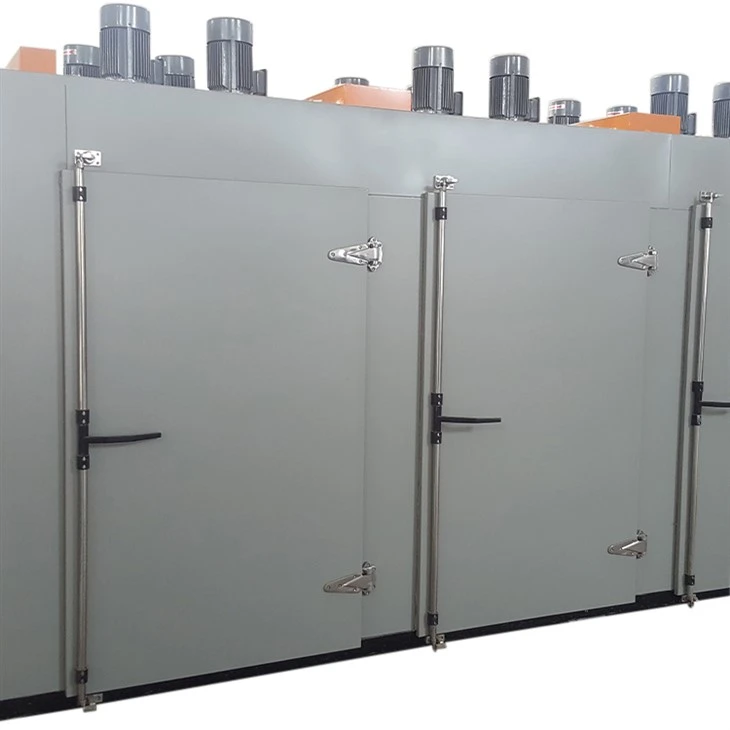
Safety should always be a top priority when installing a curing drying oven. Make sure the oven has all the necessary safety features, such as over - temperature protection, emergency stop buttons, and proper insulation.
The area around the oven should also be clearly marked with safety signs. Workers should be trained on how to operate the oven safely and what to do in case of an emergency. And don't forget about fire safety. Have fire extinguishers nearby and make sure the factory's fire - suppression system is in good working condition.
Maintenance Access
Lastly, think about how easy it will be to maintain the oven. You'll need to access different parts of the oven for cleaning, repairs, and replacement of components. So, leave enough space around the oven for technicians to move around and work.
Also, make sure there are easy - to - remove panels or access points on the oven itself. This will make it quicker and more convenient to perform maintenance tasks, reducing downtime and keeping the oven running smoothly.
Different Types of Curing Drying Ovens
We offer a variety of curing drying ovens, each with its own installation requirements. For example, our Hot Air Circulation Drying Oven relies on a good air - circulation system. So, when installing it, you need to pay extra attention to the ductwork and the placement of the air inlets and outlets.
Our Tunnel Drying Oven is a large - scale, continuous - operation oven. It requires a significant amount of space and a proper conveyor system installation. The conveyor needs to be aligned correctly with the oven to ensure smooth product flow.
Conclusion
Installing a curing drying oven in a factory involves a lot of considerations, from location and electrical requirements to safety and maintenance. By taking the time to plan and ensure all the installation requirements are met, you can ensure the oven operates efficiently and safely.
If you're in the market for a curing drying oven, we're here to help. We have a wide range of high - quality ovens to suit different factory needs. Whether you need a powerful Electrically Heated Oven, a well - circulated Hot Air Circulation Drying Oven, or a large - scale Tunnel Drying Oven, we've got you covered. Reach out to us to start the procurement process and discuss your specific requirements.
References
- Industrial Oven Installation Guide, Manufacturer's Manual
- Factory Safety Standards, Occupational Safety and Health Administration (OSHA)
- Electrical Installation Codes, National Electrical Code (NEC)