

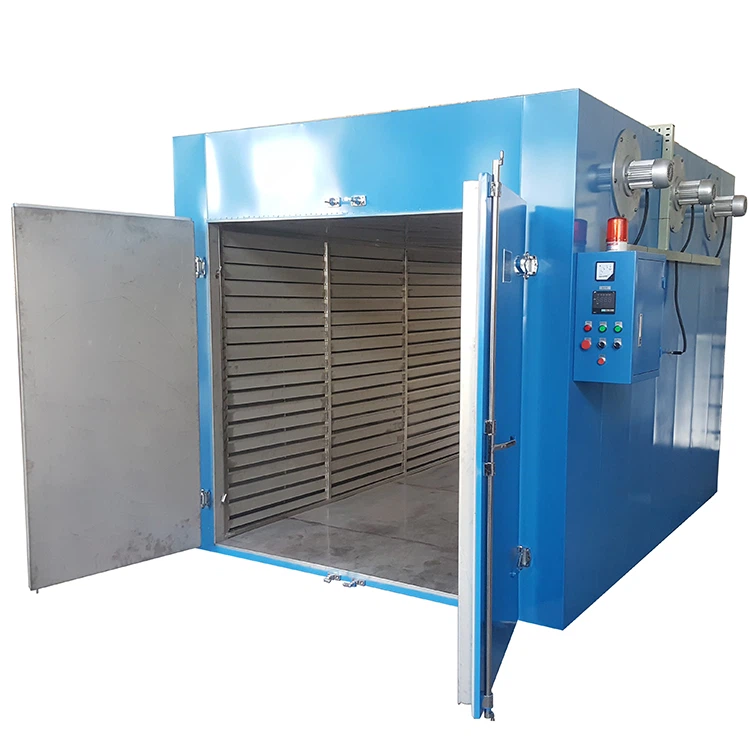
Hey there! As a supplier of Mould Preheating Ovens, I've seen my fair share of common problems that users run into. In this blog, I'll share some tips on how to troubleshoot these issues, so you can keep your oven running smoothly.
1. Temperature Fluctuations
One of the most common problems with a Mould Preheating Oven is temperature fluctuations. You set the temperature to a specific level, but it keeps going up and down. This can be a real headache, especially when you're trying to get consistent results.

Possible Causes
- Faulty Thermostat: The thermostat is responsible for regulating the temperature inside the oven. If it's not working properly, the temperature can fluctuate.
- Heating Element Issues: A damaged or worn-out heating element may not be able to maintain a steady temperature.
- Airflow Problems: Poor airflow can cause hot and cold spots inside the oven, leading to temperature variations.
Troubleshooting Steps
- Check the Thermostat: First, use a separate thermometer to check if the temperature reading on the oven's thermostat is accurate. If there's a significant difference, the thermostat might need to be replaced. You can also look for any signs of damage, like loose wires or a cracked display.
- Inspect the Heating Element: Visually examine the heating element for any signs of wear, such as breaks or discoloration. If it looks damaged, it's probably time to replace it. You can also test the element with a multimeter to see if it's functioning properly.
- Improve Airflow: Make sure the oven is not overloaded, as this can block the airflow. Check the vents to ensure they're not clogged with debris. You might also want to consider adding fans to improve circulation if necessary.
2. Uneven Heating
Another issue that can crop up is uneven heating. Some parts of the mould might be getting too hot, while others are not reaching the desired temperature. This can result in inconsistent product quality.
Possible Causes
- Incorrect Placement of Moulds: If the moulds are placed too close together or in a way that blocks the airflow, it can lead to uneven heating.
- Malfunctioning Fans: The fans in the oven are supposed to distribute the heat evenly. If they're not working correctly, the heat won't be spread uniformly.
- Oven Design Flaws: In some cases, the oven's design might not be optimized for even heat distribution.
Troubleshooting Steps
- Adjust Mould Placement: Rearrange the moulds to ensure there's enough space between them for proper airflow. Follow the oven's guidelines on the recommended spacing for different types of moulds.
- Check the Fans: Listen for any unusual noises coming from the fans, which could indicate a problem. You can also visually inspect them to see if they're spinning freely. If a fan is not working, it may need to be repaired or replaced.
- Consider Oven Upgrades: If you suspect that the oven's design is the root cause, you might want to consult with the manufacturer about possible upgrades or modifications to improve heat distribution.
3. Overheating
Overheating can be a serious problem, not only because it can damage the moulds but also because it poses a safety risk.
Possible Causes
- Thermostat Malfunction: Just like with temperature fluctuations, a faulty thermostat can cause the oven to overheat.
- Stuck Relay: The relay is responsible for controlling the power supply to the heating element. If it gets stuck in the "on" position, the heating element will keep running, leading to overheating.
- Blocked Vents: If the vents are blocked, the heat can't escape from the oven, causing the temperature to rise uncontrollably.
Troubleshooting Steps
- Replace the Thermostat: As mentioned earlier, a malfunctioning thermostat should be replaced. Make sure to choose a high - quality replacement that is compatible with your oven.
- Check the Relay: You can test the relay with a multimeter to see if it's functioning properly. If it's stuck, it will need to be replaced.
- Clear the Vents: Remove any debris or obstructions from the vents to allow proper heat dissipation.
4. Electrical Problems
Electrical issues can be tricky to diagnose, but they're not uncommon in Mould Preheating Ovens.
Possible Causes
- Loose Wires: Over time, the wires inside the oven can become loose, which can lead to intermittent power supply or even electrical shorts.
- Blown Fuses or Circuit Breakers: If the oven suddenly stops working, a blown fuse or tripped circuit breaker could be the culprit.
- Power Surges: A power surge can damage the electrical components of the oven.
Troubleshooting Steps
- Inspect the Wires: Carefully open the oven's access panel (make sure to turn off the power first!) and look for any loose or frayed wires. If you find any, you can try to tighten or replace them. However, if you're not comfortable working with electrical wiring, it's best to call a professional.
- Check Fuses and Circuit Breakers: Locate the fuse box or circuit breaker panel for the oven. If a fuse is blown, replace it with a new one of the same rating. If a circuit breaker has tripped, reset it and see if the oven starts working again.
- Use a Surge Protector: To prevent damage from power surges, connect the oven to a surge protector. This can help safeguard the electrical components.
5. Door Seal Problems
A faulty door seal can cause heat to escape from the oven, leading to increased energy consumption and inconsistent temperatures.
Possible Causes
- Worn - Out Seal: Over time, the door seal can wear out due to regular use and exposure to high temperatures.
- Improper Installation: If the door seal was not installed correctly, it may not provide a proper seal.
Troubleshooting Steps
- Inspect the Seal: Look for any signs of wear, such as cracks or tears, on the door seal. You can also run your hand along the seal to feel for any gaps.
- Replace the Seal: If the seal is damaged, it's best to replace it. You can usually find replacement seals from the oven's manufacturer or a reputable parts supplier.
- Check the Installation: Make sure the seal is installed correctly. If it seems misaligned, you may need to remove and reinstall it.
Conclusion
Troubleshooting common problems in a Mould Preheating Oven doesn't have to be a nightmare. By following these steps, you can identify and fix many of the issues that can arise. However, if you're ever unsure or if the problem persists, don't hesitate to reach out to us. We're here to help you keep your oven in top - notch condition.
If you're in the market for a new Mould Preheating Oven or need replacement parts, we've got you covered. We also offer other great products like Transformer Curing Oven, High Temperature Vacuum Oven, and Industrial Drying Oven. Contact us today to start a conversation about your needs, and let's work together to find the perfect solution for your business.
References
- Manufacturer's Manuals for Mould Preheating Ovens
- Industry Standards for Industrial Oven Maintenance and Troubleshooting