

As a seasoned supplier of Oil Drum Ovens, I've had the privilege of witnessing the transformative power of these remarkable heating solutions in various industrial settings. Today, I'm excited to share a comprehensive guide on how to light a fire in an oil drum oven effectively and safely. Whether you're a novice or an experienced user, this guide will provide you with the essential knowledge and practical tips to get the most out of your oil drum oven.
Understanding the Basics of an Oil Drum Oven
Before we dive into the process of lighting a fire, it's crucial to understand the fundamental components and principles of an oil drum oven. An oil drum oven is a versatile heating device typically constructed from a standard oil drum, which serves as the main chamber for holding the fire and generating heat. The oven is designed to be efficient, cost-effective, and easy to operate, making it a popular choice for a wide range of applications, including industrial drying, curing, and heating processes.
The key components of an oil drum oven include:
- The Drum: The main body of the oven, which is usually made of steel and provides the structure and insulation for the fire.
- The Firebox: The area where the fire is ignited and burns, typically located at the bottom of the drum.
- The Chimney: A vertical pipe that extends from the top of the drum, allowing the smoke and hot gases to escape.
- The Air Intake: A vent or opening at the bottom of the drum that controls the amount of air entering the firebox, which is essential for maintaining a steady and efficient fire.
Preparing Your Oil Drum Oven for Lighting
Before you attempt to light a fire in your oil drum oven, it's important to take the necessary precautions to ensure your safety and the proper functioning of the oven. Here are the steps you should follow:
- Choose a Suitable Location: Select a well-ventilated area away from flammable materials, such as dry grass, leaves, or wooden structures. Make sure the ground is level and stable to prevent the oven from tipping over.
- Inspect the Oven: Check the oven for any signs of damage or wear, such as cracks, holes, or loose parts. If you notice any issues, repair or replace the damaged components before proceeding.
- Clean the Oven: Remove any debris, ash, or leftover fuel from the firebox and chimney. A clean oven will ensure better airflow and combustion, resulting in a more efficient fire.
- Gather Your Materials: You'll need a few essential materials to light a fire in your oil drum oven, including kindling, fuel, and a fire starter. Kindling can be small pieces of dry wood, paper, or cardboard, while fuel can be larger pieces of wood, charcoal, or coal. A fire starter can be a commercial fire starter, a piece of newspaper soaked in wax, or a small amount of rubbing alcohol.
- Open the Air Intake: Adjust the air intake vent to allow a sufficient amount of air to enter the firebox. This will help the fire to ignite and burn more efficiently.
Lighting the Fire
Once you've prepared your oil drum oven and gathered your materials, it's time to light the fire. Here's a step-by-step guide on how to do it:
- Place the Kindling: Arrange the kindling in the firebox in a loose, pyramid-shaped pile. Make sure there is enough space between the pieces of kindling for air to circulate.
- Add the Fire Starter: Place the fire starter on top of the kindling and light it using a match or a lighter. Make sure the fire starter is burning steadily before proceeding.
- Add More Kindling: Once the fire starter is burning, gradually add more kindling to the firebox. This will help the fire to grow and spread.
- Add the Fuel: Once the kindling is burning well, add the fuel to the firebox. Start with small pieces of fuel and gradually increase the amount as the fire grows. Make sure the fuel is evenly distributed in the firebox to ensure a steady and efficient fire.
- Adjust the Air Intake: As the fire burns, adjust the air intake vent to control the amount of air entering the firebox. A larger air intake will result in a hotter and more intense fire, while a smaller air intake will result in a slower and more controlled fire.
- Monitor the Fire: Keep an eye on the fire and make sure it is burning steadily. If the fire starts to die down, add more kindling or fuel to keep it going. If the fire becomes too hot or out of control, reduce the air intake or add more fuel to slow it down.
Maintaining the Fire
Once you've successfully lit the fire in your oil drum oven, it's important to maintain it to ensure a steady and efficient heat output. Here are some tips on how to do it:
- Add Fuel Regularly: As the fuel burns, it will gradually be consumed, so it's important to add more fuel to the firebox regularly to keep the fire going. Make sure the fuel is dry and well-seasoned to ensure better combustion.
- Adjust the Air Intake: The amount of air entering the firebox is crucial for maintaining a steady and efficient fire. As the fire burns, adjust the air intake vent to control the amount of air entering the firebox. A larger air intake will result in a hotter and more intense fire, while a smaller air intake will result in a slower and more controlled fire.
- Clean the Chimney: Over time, the chimney of your oil drum oven may become clogged with soot and debris, which can reduce the efficiency of the fire and increase the risk of a chimney fire. To prevent this, clean the chimney regularly using a chimney brush or a vacuum cleaner.
- Monitor the Temperature: Use a thermometer to monitor the temperature inside the oven. This will help you to adjust the fire and the air intake to maintain the desired temperature.
Safety Precautions
When using an oil drum oven, it's important to take the necessary safety precautions to prevent accidents and injuries. Here are some safety tips to keep in mind:
- Wear Protective Gear: When lighting or tending to the fire, wear protective gear, such as gloves, goggles, and a fire-resistant apron, to protect yourself from heat, sparks, and flames.
- Keep a Fire Extinguisher Handy: Make sure you have a fire extinguisher nearby in case of an emergency. Familiarize yourself with how to use the fire extinguisher before you need it.
- Never Leave the Fire Unattended: Always stay close to the fire and keep an eye on it. Never leave the fire unattended, especially when it's burning.
- Keep Children and Pets Away: Keep children and pets away from the oil drum oven and the fire. The oven and the fire can be extremely hot and dangerous, and children and pets may not understand the risks.
- Follow Local Regulations: Before using an oil drum oven, check your local regulations and codes to make sure you're in compliance. Some areas may have restrictions on the use of outdoor fires or may require a permit.
Conclusion
Lighting a fire in an oil drum oven is a simple and rewarding process that can provide you with a reliable and efficient source of heat for a variety of applications. By following the steps outlined in this guide and taking the necessary safety precautions, you can ensure a safe and successful fire every time. If you have any questions or need further assistance, please don't hesitate to contact us. We're here to help you get the most out of your oil drum oven.

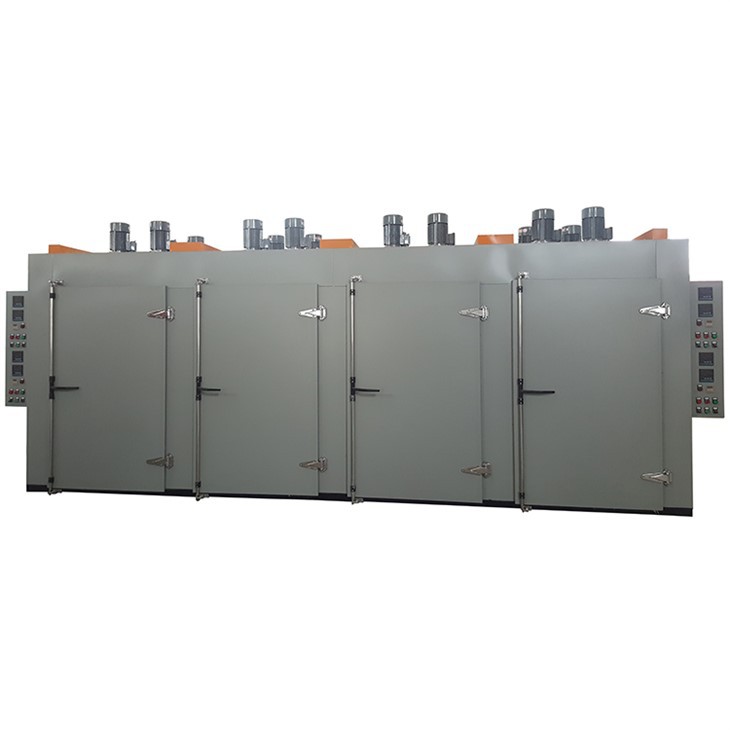
As an Oil Drum Oven supplier, we offer a wide range of high-quality ovens and accessories to meet your specific needs. Whether you're looking for a Trolley For Oven, an Industrial Curing Oven, or an Industrial Drying Oven, we have the products and expertise to help you find the right solution. Contact us today to learn more about our products and services and to discuss your specific requirements. We look forward to working with you!
References
- "How to Build a Barrel Oven." Popular Mechanics, 2023.
- "Oil Drum Ovens: A DIY Guide." Home Steady, 2023.
- "Safety Tips for Using Outdoor Fires." National Fire Protection Association, 2023.