

Hey there! As an oil drum oven supplier, I've seen firsthand how crucial it is to insulate these ovens properly. Insulating an oil drum oven not only helps in saving energy but also enhances its performance and safety. In this blog, I'll walk you through the steps on how to insulate an oil drum oven like a pro.
Why Insulate an Oil Drum Oven?
Before we dive into the how-to part, let's quickly talk about why insulation is so important. An insulated oil drum oven can maintain a more consistent temperature, which is super important if you're using it for things like melting wax, curing paints, or even cooking. It also reduces heat loss, which means you'll use less fuel or electricity to keep the oven at the right temperature. This not only saves you money in the long run but also makes your oven more environmentally friendly.
Materials You'll Need
To insulate your oil drum oven, you'll need a few materials. Here's a list of what you should gather:

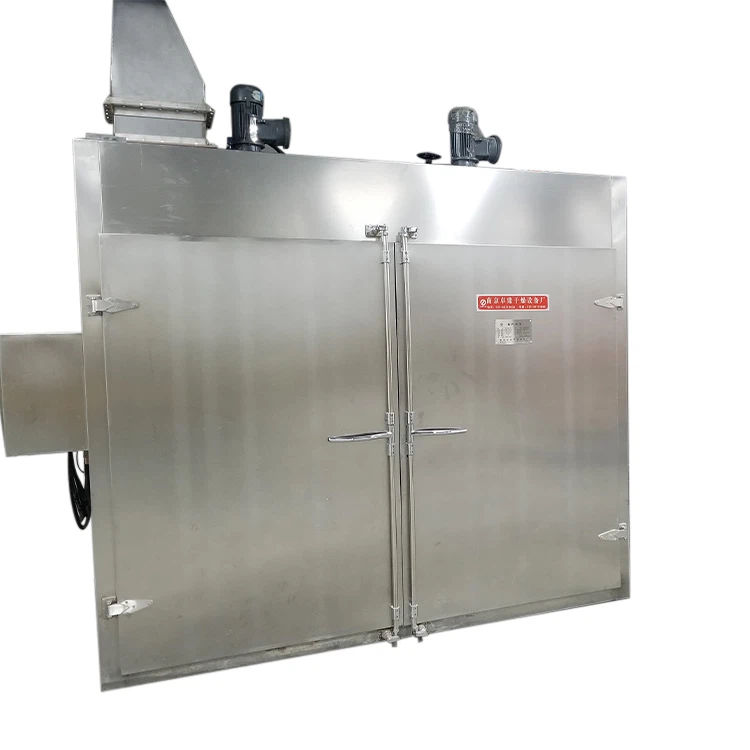
- Insulation material: You can choose from various types, such as fiberglass, mineral wool, or ceramic fiber. Fiberglass is a popular choice because it's affordable and easy to work with. Mineral wool is also a good option as it's fire-resistant and has good insulation properties. Ceramic fiber is the most expensive but offers the best insulation and can withstand high temperatures.
- Measuring tape: To measure the dimensions of your oil drum oven accurately.
- Utility knife: To cut the insulation material to the right size.
- Staple gun or adhesive: To attach the insulation material to the oven.
- Safety gear: Gloves, goggles, and a dust mask to protect yourself from the insulation fibers.
Step 1: Measure Your Oil Drum Oven
The first step is to measure the dimensions of your oil drum oven. You'll need to measure the height, diameter, and thickness of the walls. This will help you determine how much insulation material you'll need. Make sure to measure twice to ensure accuracy.
Step 2: Choose the Right Insulation Material
As mentioned earlier, there are several types of insulation material available. When choosing the right one for your oil drum oven, consider the temperature range you'll be working with, your budget, and the ease of installation. Fiberglass insulation is a great option for most oil drum ovens as it's affordable and easy to install. However, if you're working with high temperatures, you may want to consider ceramic fiber insulation.
Step 3: Cut the Insulation Material
Once you've chosen the insulation material, it's time to cut it to the right size. Use a measuring tape to mark the dimensions on the insulation material and then use a utility knife to cut it. Make sure to wear gloves and a dust mask to protect yourself from the insulation fibers.
Step 4: Attach the Insulation Material
There are two main ways to attach the insulation material to the oil drum oven: using a staple gun or adhesive. If you're using a staple gun, make sure to use staples that are long enough to penetrate the insulation material and the oven wall. If you're using adhesive, make sure to choose an adhesive that's suitable for the insulation material and the oven wall. Apply the adhesive to the back of the insulation material and then press it firmly against the oven wall.
Step 5: Seal the Edges
After attaching the insulation material, it's important to seal the edges to prevent heat loss. You can use aluminum foil tape or high-temperature silicone sealant to seal the edges. Make sure to apply the tape or sealant evenly and press it firmly against the insulation material.
Step 6: Test Your Insulated Oil Drum Oven
Once you've finished insulating your oil drum oven, it's time to test it. Turn on the oven and let it heat up to the desired temperature. Monitor the temperature using a thermometer and make sure it stays consistent. If you notice any hot spots or temperature fluctuations, you may need to add more insulation or seal the edges better.
Additional Tips
- If you're using a fiberglass insulation material, make sure to wear a dust mask and gloves to protect yourself from the insulation fibers.
- When cutting the insulation material, make sure to use a sharp utility knife to get a clean cut.
- If you're using a staple gun, make sure to space the staples evenly to ensure a secure attachment.
- If you're using adhesive, make sure to follow the manufacturer's instructions carefully.
- Consider adding a layer of reflective insulation on top of the insulation material to further reduce heat loss.
Conclusion
Insulating an oil drum oven is a relatively simple process that can have a big impact on its performance and energy efficiency. By following the steps outlined in this blog, you can insulate your oil drum oven like a pro and save money on fuel or electricity in the long run. If you're in the market for an oil drum oven or need help with insulation, feel free to [contact us for a purchase negotiation]. We're here to help you find the right solution for your needs.
References
- "Insulation Materials for Industrial Ovens." Industrial Heating Equipment Association.
- "How to Insulate an Oven." Home Improvement Magazine.
- "The Benefits of Insulating Your Oven." Energy Efficiency Council.
Remember, if you're interested in other types of industrial heating equipment, you can check out our Water Bath Oven, Hot Air Circulation Oven, and Raw Material Drum Hot Melt Oven. We're always happy to assist you with your industrial heating needs.