

Yo, folks! As a supplier of Motorized Rotary Ovens, I often get asked one question a lot: "How long does it take to pre - heat a motorized rotary oven?" Well, let's dig into this topic and find out.
First off, it's important to understand that the pre - heating time of a motorized rotary oven isn't a one - size - fits - all kind of deal. There are several factors that can influence how long it takes to reach the desired temperature.
Factors Affecting Pre - heating Time
Oven Size
The size of the oven plays a huge role. A smaller motorized rotary oven is generally going to pre - heat faster than a larger one. Smaller ovens have less volume to heat up, so the heating elements can raise the temperature more quickly. For example, a compact motorized rotary oven with a capacity of around 10 - 20 liters might pre - heat in about 10 - 15 minutes. On the other hand, a big industrial - sized motorized rotary oven with a capacity of 100 liters or more could take 30 minutes to an hour or even longer to reach the right temperature.
Heating Elements
The type and power of the heating elements are also crucial. High - wattage heating elements can transfer heat more rapidly, reducing the pre - heating time. Ovens equipped with advanced ceramic heating elements tend to heat up faster than those with traditional metal coils. Ceramic elements heat up quickly and distribute heat evenly, which is a plus for pre - heating. If your motorized rotary oven has a powerful set of heating elements, you can expect a shorter pre - heating period.
Insulation
Good insulation is like a warm blanket for your oven. An oven with high - quality insulation will retain heat better and pre - heat more efficiently. When the heat is trapped inside the oven, it doesn't escape as easily, allowing the temperature to rise faster. Ovens with poor insulation will lose heat to the surrounding environment, causing the pre - heating process to take longer. So, if you're in the market for a motorized rotary oven, look for one with thick, well - designed insulation.
Desired Temperature
The temperature you want to pre - heat the oven to is another obvious factor. If you're only looking to pre - heat to a relatively low temperature, say 100°C (212°F), it'll take less time compared to pre - heating to a high temperature like 250°C (482°F). The higher the target temperature, the more energy is required to reach it, and thus the longer the pre - heating time.

General Pre - heating Time Ranges
Based on my experience as a supplier, here are some general pre - heating time ranges for different types of motorized rotary ovens:
Small Home - Use Ovens
For small motorized rotary ovens designed for home use, pre - heating to a common baking temperature of around 180°C (356°F) usually takes about 10 - 15 minutes. These ovens are typically smaller in size and have lower - power heating elements, but they're perfect for baking small batches of cookies, muffins, or small roasts.
Medium - Sized Commercial Ovens
Medium - sized commercial motorized rotary ovens, which are often used in small bakeries or cafes, might take 15 - 25 minutes to pre - heat to 200°C (392°F). These ovens have a larger capacity and more powerful heating elements to handle higher volumes of baking.
Large Industrial Ovens
Large industrial motorized rotary ovens, used in big food production facilities, can take anywhere from 30 minutes to over an hour to pre - heat to high temperatures, sometimes up to 300°C (572°F) or more. These ovens are built to handle large - scale production, so they need to be able to reach and maintain high temperatures consistently.
Tips to Reduce Pre - heating Time
If you're looking to cut down on the pre - heating time of your motorized rotary oven, here are some tips:
- Keep the Oven Clean: A dirty oven can reduce the efficiency of the heating elements. Make sure to clean your oven regularly to remove any food debris or grease that might be blocking the heat transfer.
- Don't Open the Door Unnecessarily: Every time you open the oven door during pre - heating, you let out a lot of heat, and the oven has to work harder to regain the lost temperature. Try to resist the temptation to peek inside until the pre - heating is complete.
- Use the Right Rack Placement: Positioning the racks correctly can help with heat circulation. Make sure there's enough space between the racks and the oven walls to allow hot air to flow freely.
Other Related Ovens
In the world of industrial heating equipment, there are also other types of ovens that you might be interested in. Check out our Explosion - proof Drying Oven, which is designed for applications where safety is a top priority. It's built to prevent explosions in hazardous environments.
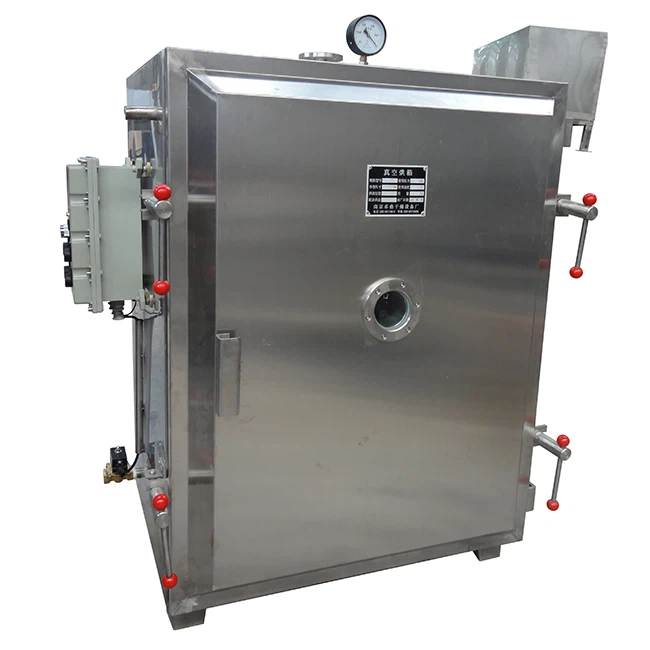
Another option is the Explosion - proof Vacuum Box. This is great for processes that require a vacuum environment and need to be explosion - proof.
And if you're looking for a more gentle heating method, the Water Bath Oven is a good choice. It uses water to transfer heat, which is ideal for applications that require a consistent and moderate temperature.
Wrapping Up and Reaching Out
So, as you can see, the pre - heating time of a motorized rotary oven can vary widely depending on several factors. But with the right knowledge and some simple tips, you can manage the pre - heating process more effectively.
If you're in the market for a motorized rotary oven or any of the other industrial heating equipment I mentioned, don't hesitate to reach out. We're here to help you find the perfect oven for your needs. Whether you're a home baker looking for a small oven or a big - time food producer in need of an industrial - grade machine, we've got you covered. Let's start a conversation and find the best solution for your baking and heating requirements.
References
- "Industrial Oven Handbook", a collection of industry knowledge on oven operations and specifications.
- "Baking Equipment Basics", a guide that provides insights into different types of ovens and their functions.