

Hey there! As a supplier of Electrical Heating Ovens, I often get asked about the proofing function of these nifty machines. So, let's dive right in and break it down.
First off, what exactly is proofing? In the context of an electrical heating oven, proofing is a crucial step, especially in the food industry, like baking. It's the process where dough is allowed to rise after it's been shaped. This is super important because it affects the texture, flavor, and overall quality of the final product.
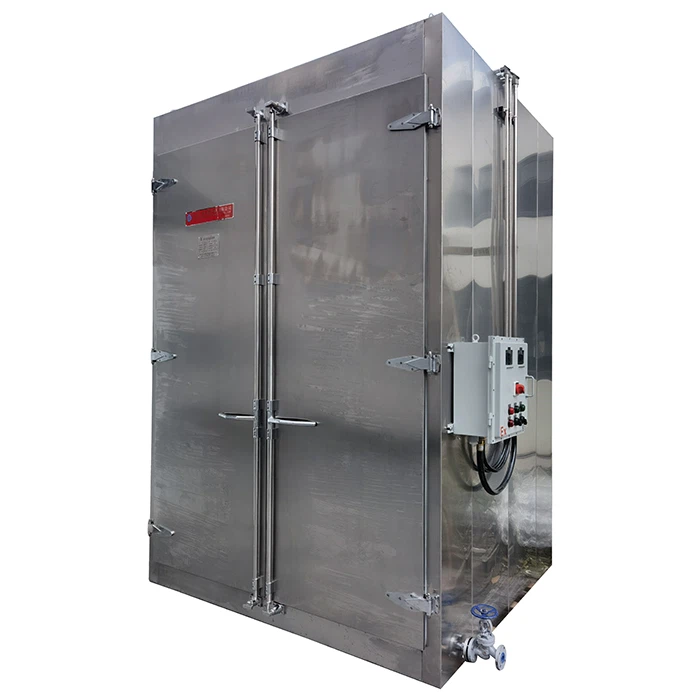

When you're making bread, for example, the dough needs to go through a proofing stage. During this time, the yeast in the dough ferments, producing carbon dioxide gas. This gas gets trapped in the dough, causing it to expand and become light and airy. An electrical heating oven with a proper proofing function can create the ideal environment for this process.
One of the key things about the proofing function is temperature control. Yeast is a living organism, and it has a specific temperature range in which it works best. Generally, for most bread recipes, the ideal proofing temperature is around 75 - 85°F (24 - 29°C). Our electrical heating ovens are designed to maintain this temperature range with great precision. We use advanced temperature sensors and control systems to make sure that the temperature inside the oven stays exactly where it needs to be. This means that you can trust our ovens to give you consistent results every time you use them for proofing.
Another important factor is humidity. Just like temperature, the right level of humidity is crucial for proper proofing. If the air inside the oven is too dry, the surface of the dough can dry out, forming a crust that prevents the dough from rising properly. On the other hand, if it's too humid, the dough can become sticky and difficult to handle. Our ovens are equipped with humidity control features. We can adjust the humidity levels inside the oven to create the perfect environment for the dough to rise. This is achieved through a combination of steam injection systems and ventilation controls.
Now, let's talk about some of the different types of electrical heating ovens we offer and how their proofing functions can benefit you.
We have the Explosion-proof Oven. This type of oven is designed for industrial settings where there might be a risk of explosion due to the presence of flammable gases or dust. Even though it's built with safety in mind, it still has a top-notch proofing function. It can maintain the right temperature and humidity levels just like our regular ovens. This makes it a great choice for industries that need to proof dough in a safe and controlled environment.
Our Raw Material Barrel Heating Oven is another option. While it's mainly used for heating raw material barrels, it can also be used for proofing. It has a large capacity, which means you can proof a significant amount of dough at once. This is great for bakeries or food production facilities that need to produce large quantities of baked goods.
The Vacuum Drying Cabinet might not seem like an obvious choice for proofing, but it can actually be very useful. In some cases, you might want to proof dough in a low-oxygen environment. The vacuum feature of this cabinet can create such an environment, which can have some unique benefits for the proofing process. It can slow down the fermentation process slightly, allowing for more complex flavor development in the dough.
The proofing function of our electrical heating ovens is not just about creating a warm and humid environment. It's about providing a precise and controlled environment that allows the dough to rise to its full potential. Whether you're a small bakery owner looking to make the perfect loaf of bread or a large industrial food producer, our ovens can meet your needs.
If you're interested in learning more about our electrical heating ovens and their proofing functions, or if you're thinking about making a purchase, don't hesitate to reach out. We're here to answer all your questions and help you find the right oven for your specific requirements.
References
- Principles of Baking Technology. This book provides in - depth knowledge about the science behind bread making, including the proofing process.
- Industrial Oven Design and Operation Manual. A technical guide that explains the features and functions of different types of industrial ovens, including electrical heating ovens.